
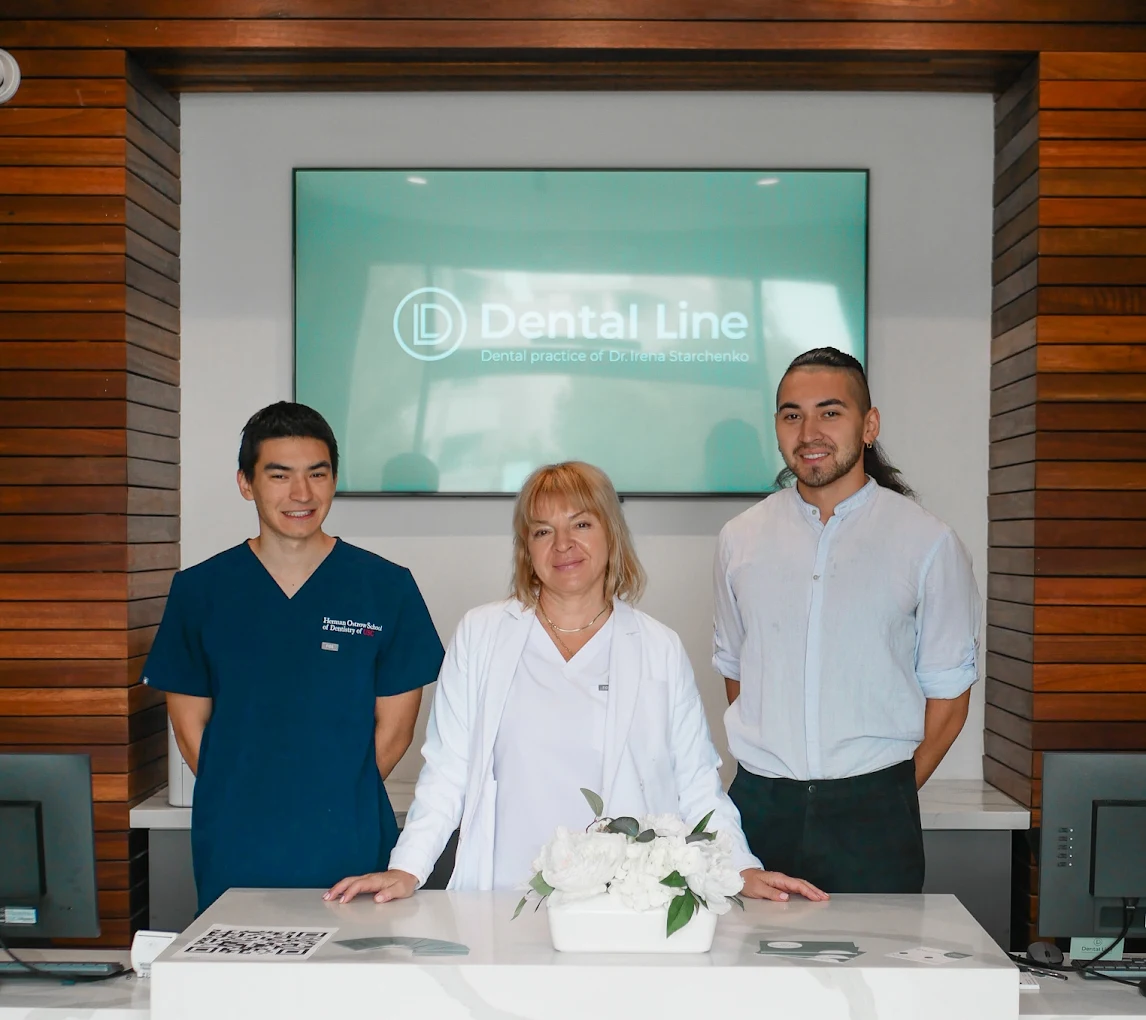

If youre weighing options for a dental crown in Encino, youre likely deciding between same-day CEREC crowns and traditional lab-made crowns. This guide breaks down how each approach works, the pros and cons, typical costs, and what results you can expect. Crowns restore function and improve appearance—understanding the differences helps you choose the best path for your smile.
Heres what we cover: a clear overview of both procedures, typical timelines, cost comparisons, likely benefits, expected outcomes, and lifespan. By the end, youll have a better idea of what to expect when getting a dental crown in Encino.
How Same-Day CEREC and Traditional Crowns Compare in Encino
Both same-day CEREC crowns and traditional crowns aim to restore a damaged tooth, but they use different workflows and technology. Understanding those differences helps you balance convenience, cost, and customization when making your choice.
Procedure Overview:
CEREC (Chairside Economical Restoration of Esthetic Ceramics) uses digital scanning and on-site milling so the crown can be created and placed in a single appointment. The dentist scans the tooth, designs the restoration digitally, and mills the crown from a ceramic block right in the office. Traditional crowns usually require multiple visits: tooth preparation, impressions, a temporary crown, and then a wait while a dental lab fabricates the permanent restoration.
Timeframes:
CEREC crowns are typically completed in 13 hours, making them a strong option for anyone who prefers fewer visits. Traditional crowns usually take 2 appointments spread over one to two weeks, depending on lab turnaround and scheduling.
Costs:
Cost often factors into the decision. CEREC crowns generally range from $1,000 to $2,500, while traditional crowns commonly fall between $800 and $2,500. Material choice and case complexity affect final pricing, so discuss specifics with your provider.
Benefits:
Each method has advantages. CEREC offers speed and convenience—no temporary crown and fewer appointments. Traditional crowns can offer broader material options and may be preferable when certain aesthetic or functional materials are required. Both approaches produce reliable restorations when performed correctly.
Potential Outcomes:
Both procedures restore function and appearance. With CEREC you often leave the office with a fitted, permanent crown. Traditional crowns may take longer to finish but have a long track record and a wide selection of materials to match your needs.
Longevity:
Both same-day CEREC crowns and traditional crowns can last roughly 5 to 15 years, depending on oral hygiene, bite forces, material choice, and regular dental care. Good aftercare and routine check-ups significantly affect how long a crown will last.
How Does the Traditional Dental Crown Procedure Work in Encino?
The traditional crown process starts with preparing the tooth: removing decay and shaping the tooth to accept a crown. Your dentist takes precise impressions to send to a lab, and a temporary crown protects the tooth during the interim. Lab fabrication usually takes a week or two.
When the permanent crown arrives, you return for final placement. The dentist checks fit, bite, and appearance and makes any necessary adjustments to ensure comfort and proper function. This method is reliable and widely used in restorative dentistry.
What Are Same-Day CEREC Crowns and Their Benefits?
Same-day CEREC crowns use CAD/CAM technology to design and mill a ceramic crown during your visit, removing the need for temporary restorations and multiple appointments. Key advantages of CEREC crowns include:
- Convenience: The procedure can be completed in one visit.
- Immediate results: You leave with a permanent crown—no temporary needed.
- Advanced precision: Digital scanning and milling improve fit and aesthetics.
These benefits make CEREC a popular choice for people with busy schedules or who want fast restoration.
How Does CAD-CAM Technology Enable Same-Day Crown Fabrication?
CAD-CAM (Computer-Aided Design and Computer-Aided Manufacturing) is the foundation of the CEREC workflow. A digital scan captures the tooth shape, the software designs the crown, and a milling unit carves it from a ceramic block. This digital workflow reduces manual steps and helps create a precise, well-fitting restoration.
The streamlined process minimizes errors tied to traditional impression-taking and lab transfers, often resulting in a faster, more comfortable patient experience and a restoration that fits closely to the planned design.
What Are the Key Benefits of Choosing CEREC Crowns in Encino?
Choosing CEREC crowns offers several advantages for patients in Encino, including:
- Time efficiency: One appointment means less time away from work or daily life.
- Comfort: Digital scanning avoids messy impressions and can improve fit comfort.
- Durability: High-quality ceramic materials provide strong, long-lasting protection comparable to traditional crowns.
These factors explain why many patients prefer same-day crowns for their restorative needs.
How Do Procedure Times Compare Between Traditional and Same-Day CEREC Crowns?
Procedure time is one of the clearest differences. Traditional crowns usually require multiple visits over days or weeks, while CEREC crowns can often be completed in a single 13-hour appointment. That quicker turnaround reduces appointment burden and shortens the overall treatment timeline.
Shorter treatment time also reduces the need for temporary restorations and the anxiety that can come with waiting for a lab-made crown.
What Can Patients Expect During and After Each Procedure?
During a CEREC appointment youll have a digital scan taken, the restoration designed on-screen, and the crown milled—often while you relax in the office. Placement and final adjustments follow. Aftercare includes routine brushing and flossing and any follow-up visits your dentist recommends.
For traditional crowns, the first visit usually involves tooth preparation and impressions, and youll wear a temporary crown until the lab-made crown is ready. Expect a second visit for final placement, with similar aftercare instructions to protect the restoration and underlying tooth.
What Are the Cost and Durability Differences Between Traditional and CEREC Dental Crowns?
CEREC crowns often have a higher upfront cost due to the in-office technology, typically ranging from $1,000 to $2,500. Traditional crowns usually range from $800 to $2,500, depending on materials and lab costs. Factor in appointment time, travel, and temporary crown costs when comparing total investment.
Durability is comparable for both options when restorations are made from quality materials and maintained properly. Lifespan depends on oral hygiene, material choice, and bite forces, so proper care is essential.
How Do Costs Typically Compare for Traditional vs Same-Day Crowns in Encino?
Local pricing in Encino varies with the dentists experience, the practice location, and the material selected. CEREC crowns tend to cost more because of the equipment and in-office fabrication, generally $1,000 to $2,500. Traditional crowns can be $800 to $2,500, but require more visits and may involve temporary-crown costs—so consider both time and money when choosing.
Are Same-Day CEREC Crowns as Durable as Traditional Crowns?
CEREC crowns are made from advanced ceramics designed for strength and aesthetics, and when properly cared for they can last as long as traditional crownsoften 5 to 15 years. Longevity depends on maintenance, the material used, and your bite habits. Regular dental check-ups help catch issues early and extend a crowns life.
What Aftercare Steps Ensure the Best Outcome Following Dental Crown Placement?
After getting a crown, follow these practical steps to protect your restoration:
- Maintain oral hygiene: Brush twice daily and floss around the crown to prevent decay at the margins.
- Avoid hard foods: Dont bite directly into very hard or sticky foods that could crack or dislodge the crown.
- Follow up with your dentist: Keep regular check-ups so your dentist can monitor fit and function.
These habits help maximize the lifespan and performance of your crown.
When Should Patients Contact Their Encino Dentist About Dental Crown Issues?
Contact your dentist right away if you feel persistent pain, notice movement or looseness in the crown, detect unusual wear, or see signs of decay around the edge. Avoid chewing on the affected side until you can be evaluated. Early attention can prevent further damage and protect the underlying tooth.
| Crown Type | Duration (Hours) | Cost Range |
| Same-Day CEREC | 1-3 | $1,000 – $2,500 |
| Traditional Crown | 2-3 visits (One to two weeks) | $800 – $2,500 |
In short, both same-day CEREC crowns and traditional crowns are effective ways to restore teeth. Your choice will depend on how quickly you need treatment, your material preferences, and your budget.
Frequently Asked Questions
1. What is the lifespan of dental crowns?
Most dental crowns—whether CEREC or traditional—last between 5 and 15 years. Lifespan depends on oral hygiene, the material used, grinding or clenching habits, and routine dental care. Regular visits help extend a crowns useful life.
2. Are there any risks associated with getting a dental crown?
As with any dental work, risks include temporary sensitivity to hot or cold, irritation around the tooth, or an improper fit that may require adjustments. Infection or decay can occur if oral hygiene is poor. Discuss potential risks and aftercare with your dentist beforehand.
3. Can dental crowns be removed and replaced?
Yes. Crowns can be removed and replaced for reasons like decay under the crown, damage, or a poor fit. Your dentist will evaluate the tooth and recommend recrowning or another restorative option based on whats best for your situation.
4. What should I do if my dental crown feels loose?
If your crown feels loose, call your dentist as soon as possible. A loose crown can expose the underlying tooth to decay or further damage. Avoid chewing on that side until you are seen, and follow your dentists instructions for temporary measures if provided.
5. Can I whiten my teeth after getting a crown?
Whitening agents wont change the color of existing crowns, as porcelain and ceramic dont respond to bleaching. If you plan to whiten, do it before getting crowns so your dentist can match the restorations to your new tooth shade.
6. How do I choose between CEREC and traditional crowns?
Consider your priorities: CEREC is faster and cuts down visits, while traditional crowns can offer more material choices and may suit complex aesthetic needs. Discuss budget, timing, and material preferences with your dentist to decide which option fits your goals.
7. What is the aftercare for dental crowns?
Aftercare includes brushing twice daily, flossing carefully around the crown, avoiding excessively hard or sticky foods, and keeping regular dental appointments. Report any persistent pain, looseness, or bite changes so your dentist can address issues early.
Conclusion
Choosing between same-day CEREC crowns and traditional crowns comes down to what matters most to you: speed and convenience versus broader material options and traditional lab fabrication. Both paths lead to strong, attractive restorations when planned and cared for correctly. Talk with your dental professional in Encino to explore which solution best fits your lifestyle and oral health needs—and take the next step toward a confident, healthy smile.