
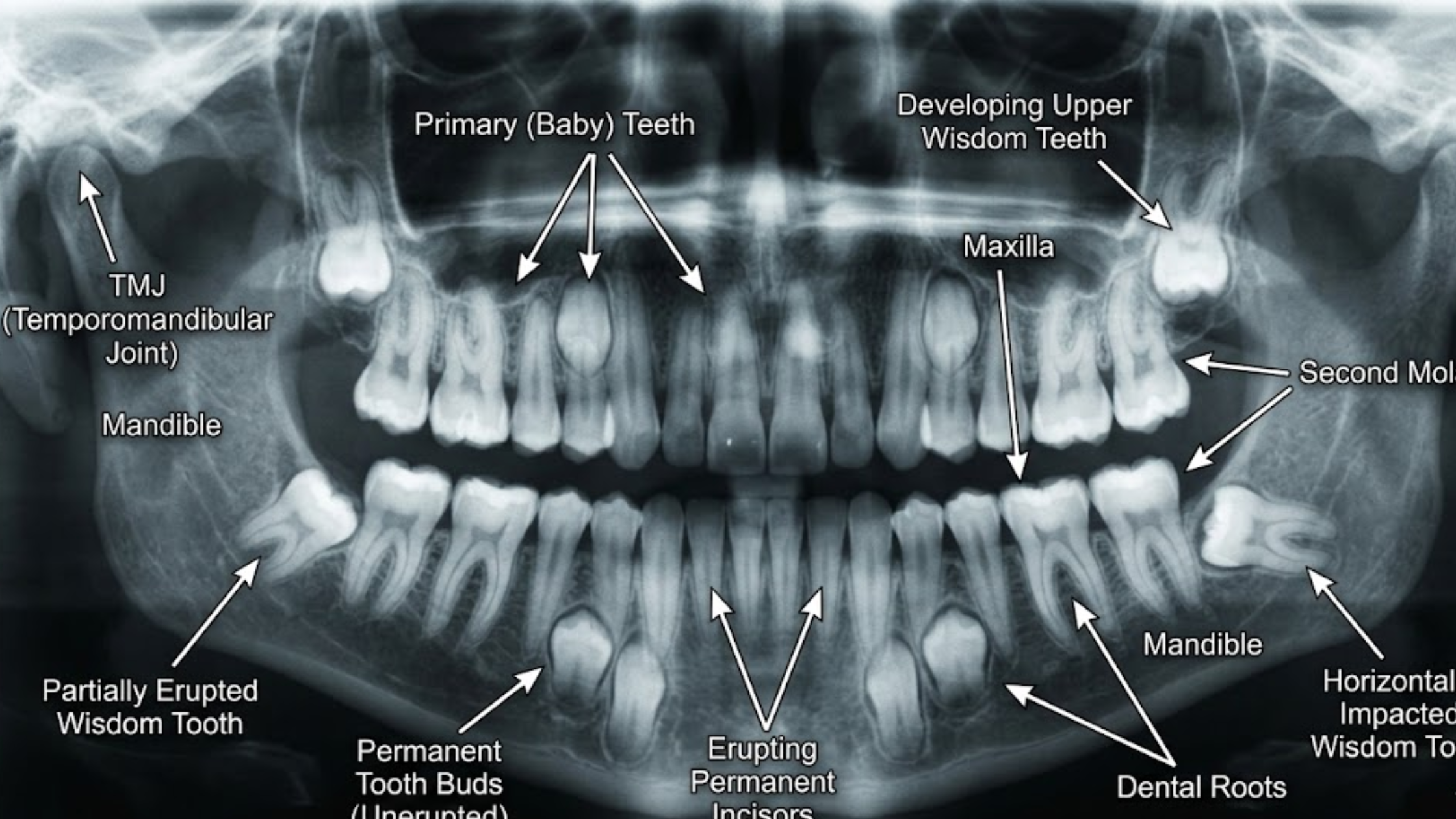

Understanding your family’s dental timeline can feel complex. This article outlines key milestones—from infancy through adulthood—covering the transition from primary to permanent teeth and the management of wisdom teeth. Working with a trusted Dentist in Encino, families in Encino and the San Fernando Valley can learn the value of early dental visits, practical oral hygiene steps, and when to seek professional care for dental emergencies, helping parents support healthy habits that last.
When Should Children in Encino Begin Their Dental Care Journey?
Children should begin dental care by their first birthday or when the first tooth appears. Early visits lay a foundation for lifelong oral health: pediatric dentists focus on prevention, routine examinations, and guidance for effective home hygiene. Scheduling regular Teeth Cleaning in Encino helps identify potential problems before they progress and reinforces healthy habits from the start.
What Are the Key Milestones in Baby Teeth Development?
Primary (baby) teeth typically begin to erupt around six months. Key milestones include:
- First Tooth Eruption: Usually occurs between 6–12 months.
- Full Set of Baby Teeth: By age three, most children have a complete set of 20 primary teeth.
- Fluoride Treatments: Recommended as soon as the first tooth appears to help strengthen enamel.
Monitoring these milestones provides a practical way to track your child’s dental development.
Recognizing these developmental milestones is important for tracking a child’s oral health journey.
Children’s Dental Development: Milestones & Eruption Patterns
Developmental milestones are age-specific skills used to evaluate a child’s progress. These milestones and tooth eruption patterns assist caregivers and clinicians in monitoring dental development. A study was designed with these factors in mind.
Impacted wisdom teeth, TB Dodson, 2014
How Can Parents Ensure Healthy Baby Teeth?
Parents can support healthy primary teeth by adopting a few simple practices:
- Establish a Brushing Routine: Begin brushing as soon as the first tooth appears, using a soft-bristled brush and a small amount of fluoride toothpaste.
- Balanced Diet: Encourage a diet low in added sugars and rich in fruits, vegetables, and dairy to promote strong teeth.
- Regular Dental Checkups: Schedule visits to a pediatric dentist every six months to monitor development and address issues early.
These simple measures build habits that support long-term oral health.
How Does the Transition from Baby Teeth to Permanent Teeth Occur?
The transition typically begins around six years of age, when children start losing primary teeth and adult teeth erupt. Understanding the timing and signs helps parents guide children through these changes smoothly.
What Are the Signs of Losing Baby Teeth and Growing Permanent Teeth?
Common signs that a child is losing primary teeth and gaining permanent teeth include:
- Loosening of Baby Teeth: Teeth may feel loose, a natural precursor to loss.
- Eruption of Permanent Teeth: New teeth begin to push through the gums, often starting with the front teeth.
- Age Range: Most children lose their first tooth around age six, with the process continuing until about age twelve.
Noting these signs enables parents to anticipate changes and plan care accordingly.
When Should Orthodontic Evaluations Begin in Children?
Orthodontic evaluations are recommended around seven years of age so development and alignment can be assessed early. Early evaluation helps plan necessary treatment and can prevent more complex problems later on.
What Should Families Know About Wisdom Teeth in the San Fernando Valley?
Third molars, commonly called wisdom teeth, generally erupt between 17 and 21 years of age. Families should understand their potential implications, as these teeth can cause complications if not managed appropriately.
When Do Wisdom Teeth Typically Erupt and What Problems Can Arise?
Wisdom teeth emerge in late adolescence or early adulthood. Common problems include:
- Impaction: Teeth may become trapped in the jawbone or gums, causing pain and infection.
- Crowding: They can push against adjacent teeth and affect alignment.
- Cysts: In some cases, cysts can form around impacted wisdom teeth, creating further issues.
Awareness of these issues helps families and clinicians decide between observation and intervention.
Research provides additional detail on the prevalence and complications associated with impacted wisdom teeth.
Understanding Impacted Wisdom Teeth: Causes & Complications
The incidence of impacted third molars is substantial, with approximately 72% of Swedish individuals aged 20 to 30 years having at least one impacted wisdom tooth. Impaction results from limited space, obstruction, or abnormal position. Impacted teeth can cause inflammatory disease, manifested by pain and swelling, and may damage adjacent teeth and bone.
Impacted wisdom teeth, TB Dodson, 2014
What Are the Indications and Process for Wisdom Teeth Removal in Encino?
Common indications for wisdom teeth removal include:
- Pain or Discomfort: Persistent back-of-mouth pain may signal the need for extraction.
- Infection: Recurrent infections or swelling near the gums can indicate a problem.
- Orthodontic Considerations: If wisdom teeth threaten the alignment of other teeth, removal may be advised.
Assessment begins with a consultation and imaging to determine tooth position; extractions are typically performed under local anesthesia to maintain patient comfort.
Further studies discuss pathologies linked to impacted wisdom teeth and the considerations involved in removal.
Prophylactic Wisdom Tooth Removal: Risks & Pathologies
Prophylactic removal refers to surgical extraction of asymptomatic, disease‑free impacted wisdom teeth. Impacted third molars may be associated with pathological changes such as pericoronitis, root resorption, periodontal disease, caries, and the development of cysts and tumors. In older patients, surgical removal carries an increased risk of postoperative complications, pain, and discomfort.
Surgical removal versus retention for the management of asymptomatic disease‐free impacted wisdom teeth, 2016
How Can Families Access Comprehensive Dental Services in Encino and San Fernando Valley?
Families in Encino and the San Fernando Valley can access a range of comprehensive dental services. Common offerings include preventive care, pediatric dentistry, and emergency dental care tailored to each age group.
| Service Type | Description | Importance |
| Preventive Care | Regular check-ups and cleanings | Essential for maintaining oral health |
| Pediatric Dentistry | Specialized care for children | Addresses unique dental needs of young patients |
| Emergency Dental Care | Immediate treatment for dental issues | Provides quick relief and prevents complications |
These services support oral health across all stages of dental development. Dental Line is a dental care provider based in Encino serving families throughout the San Fernando Valley, offering comprehensive care from early childhood (primary teeth) through adolescent milestones, including wisdom teeth management.
Frequently Asked Questions
What should I do if my child is afraid of visiting the dentist?
It’s common for children to feel anxious about dental visits. To ease their fears, parents can prepare them by explaining what to expect in simple terms. Role-playing a dental visit at home can also help. Additionally, choosing a pediatric dentist who specializes in working with children can make the experience more comfortable. Many clinics offer a welcoming environment and friendly staff to help children feel at ease. Positive reinforcement after the visit can also encourage a more positive attitude towards future appointments.
How can I help my child maintain good oral hygiene at home?
To promote good oral hygiene, establish a daily routine that includes brushing twice a day and flossing once a day. Use a soft-bristled toothbrush and fluoride toothpaste appropriate for your child’s age. Make brushing fun by using songs or timers. Encourage a balanced diet low in sugary snacks and drinks, and provide healthy alternatives. Regularly check in on their brushing technique and offer guidance. Setting a good example by maintaining your own oral hygiene can also motivate your child to follow suit.
What are the benefits of fluoride treatments for children?
Fluoride treatments are beneficial for children’s dental health as they help strengthen tooth enamel, making it more resistant to decay. These treatments can significantly reduce the risk of cavities, especially in children who may not have perfect brushing habits. Fluoride can also help reverse early signs of tooth decay. Pediatric dentists often recommend fluoride treatments during regular check-ups, particularly after the first tooth erupts. It’s a safe and effective way to support your child’s oral health as they grow.
How can I tell if my child needs braces?
Signs that your child may need braces include crowded teeth, gaps between teeth, or misalignment of the bite. If your child has difficulty chewing or experiences jaw pain, these could also be indicators. An orthodontic evaluation around age seven is recommended, as early detection can lead to more effective treatment. The orthodontist will assess your child’s dental development and alignment, providing guidance on whether braces are necessary and the best timing for treatment.
What should I expect during a dental emergency visit?
During a dental emergency visit, the dentist will first assess the situation to determine the urgency and necessary treatment. Common emergencies include severe toothaches, knocked-out teeth, or injuries to the gums. The dentist may take X-rays to evaluate the extent of the damage. Treatment can range from pain management to more complex procedures like extractions or root canals. It’s important to remain calm and provide as much information as possible about the incident to help the dentist provide the best care.
Are there specific dietary recommendations for maintaining healthy teeth?
Yes, a balanced diet plays a crucial role in maintaining healthy teeth. Encourage your child to consume a variety of fruits, vegetables, whole grains, and dairy products, which provide essential nutrients for strong teeth. Limit sugary snacks and beverages, as they can lead to tooth decay. Foods high in calcium, such as cheese and yogurt, help strengthen enamel. Additionally, crunchy fruits and vegetables like apples and carrots can help clean teeth naturally. Drinking plenty of water, especially fluoridated water, is also beneficial for oral health.
Conclusion
Understanding the dental timeline from primary teeth to wisdom teeth helps families maintain oral health. Prioritizing early visits and consistent hygiene builds lifelong habits. Comprehensive dental services in Encino provide support at every stage—schedule an appointment to help keep your family’s smiles healthy.