
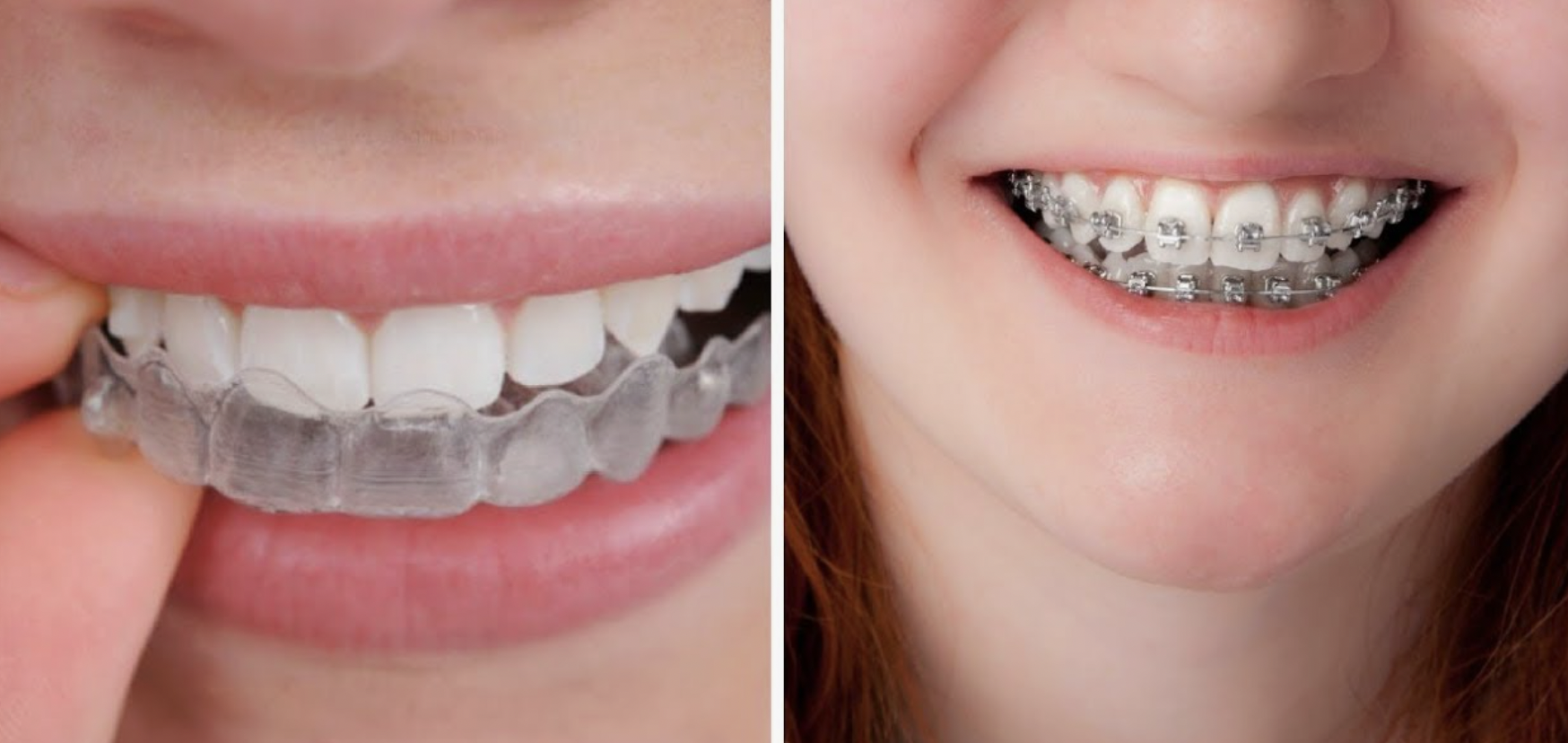

Deciding between Invisalign and traditional braces can feel overwhelming. This guide compares both options with a focus on how quickly they move teeth and what patients at a Dentist in Encino can expect. We cover treatment timelines, costs, comfort, and aftercare so you can weigh the trade-offs and choose the option that fits your goals.
Speed and Effectiveness
How long treatment takes is a top concern for many people. Invisalign uses a series of custom, clear aligners that gradually shift teeth into place — most cases finish in about 12 to 18 months, though complexity matters. Traditional braces use brackets and wires and often work on a similar timeline, but severe cases can extend treatment up to two and a half years. Ultimately, factors like how complex the case is and how closely a patient follows their plan will influence the final timeline for either method.
Key Factors to Consider
When choosing between Invisalign and braces, keep these essentials in mind:
- Severity of orthodontic issues: Braces are often better suited for complex or severe misalignments.
- Aesthetics: Invisalign is far less noticeable, which matters to many adults and teens.
- Comfort, hygiene, and diet: Aligners are removable for easier cleaning and allow normal eating. Braces require avoiding certain foods and demand more careful oral hygiene.
Considering these points will help you narrow down which treatment aligns with your lifestyle and goals.
How Long Does Invisalign Treatment Take Compared to Traditional Braces in Encino?
On average, Invisalign cases take about 12 to 18 months, and many patients spot noticeable changes within weeks. Braces can take a similar amount of time, though the mechanics of brackets and wires sometimes mean longer treatment for tougher corrections. Individual anatomy, commitment to the plan, and the orthodontist’s goals all affect the exact timeline, so discuss realistic expectations during your first visit.
Research also shows that how complex a case is at the start often predicts how long Invisalign treatment will take and how many refinements are needed.
Invisalign: How Initial Complexity Affects Treatment Time
Research indicates that the initial complexity of an Invisalign case is linked to treatment length, final outcomes, and the number of refinements required — more complex cases typically mean longer treatment and additional adjustments.
Association between initial complexity, frequency of refinements, treatment duration, and outcome in
Invisalign orthodontic treatment, SA Arqub, 2022
What Is the Typical Invisalign Treatment Timeline?
An Invisalign plan unfolds in a few clear phases. After a detailed exam and digital scans, your orthodontist maps out the tooth movements. Below is a typical sequence:
- Initial consultation: Your orthodontist evaluates your teeth and creates a tailored plan.
- Fabrication of aligners: Custom aligners are made, usually within 1–2 weeks.
- Wearing the aligners: Aligners should be worn 20–22 hours per day, switching to a new set about every one to two weeks.
- Regular check-ins: Monthly or bi-monthly appointments let your provider track progress and make adjustments.
Most patients see meaningful movement in the first few months, with full results developing over the planned treatment period.
How Does Braces Treatment Length Vary With Severity?
Braces timelines depend heavily on how severe the misalignment is. Mild to moderate cases often finish in about 12–24 months. For complex issues — like significant crowding or jaw discrepancies — treatment can take two years or longer. Keeping up with adjustment visits and following care instructions also helps keep treatment on schedule.
What Are the Cost Differences Between Invisalign and Braces in Encino?
Cost is an important factor for many families. In Encino, Invisalign typically ranges from $3,000 to $8,000, depending on case complexity and insurance coverage. Traditional braces usually run from $2,000 to $7,000, with variation based on materials (metal, ceramic, or lingual) and any additional procedures needed, such as extractions or surgery.
How Much Do Clear Aligners Like Invisalign Typically Cost in Encino?
Several elements affect the price of clear aligners in Encino, including:
- Treatment length: Longer plans increase total cost.
- Material and technology: Premium aligners or advanced scanning can affect price.
- Insurance: Some plans cover a portion; others do not.
Reviewing these factors with your provider helps you anticipate the investment required.
What Are the Average Braces Costs and Payment Options in Encino?
Braces costs vary by treatment complexity and duration. Expect to pay roughly $2,500 to $7,000 on average. Many practices offer financing or monthly payment plans to spread out the cost, so ask about options during your consultation to find a fit for your budget.
Which Orthodontic Option Offers Greater Comfort and Lifestyle Convenience?
Comfort and day-to-day convenience are major reasons people choose Invisalign. Many patients find aligners less likely to irritate gums and cheeks than metal brackets and wires. Because aligners are removable, you can eat and drink without restrictions and clean your teeth normally — a plus for busy lifestyles.
Why Do Patients Prefer Invisalign for Comfort and Aesthetics?
Invisalign is popular because the clear trays are discreet and often more comfortable than metal braces. The smooth plastic reduces rubbing and sores, and most people feel more confident during treatment since the aligners are hard to notice. These benefits make Invisalign a strong choice for patients prioritizing comfort and appearance.
A recent study comparing the two methods also found differences in pain levels and oral quality of life, generally favoring aligners for comfort.
Pain and Quality of Life: Braces vs. Invisalign
A longitudinal clinical study compared pain and oral quality of life during the first year of treatment with fixed brackets and removable Invisalign aligners. The results highlight distinct differences in patient comfort between the two appliance types.
Comparative analysis of periodontal pain and quality of life in patients with fixed multibracket appliances and aligners (Invisalign®): longitudinal clinical study, A Alvarado-Lorenzo, 2023
What Are the Common Comfort Challenges with Traditional Braces?
Braces are effective but can bring some everyday challenges, such as:
- Irritation: Brackets and wires may cause mouth sores or rubbing on cheeks and gums.
- Dietary limits: Avoid sticky and hard foods (like caramel, popcorn, and nuts) that can damage braces.
- Extra hygiene effort: Brushing and flossing take more time and tools to keep teeth and brackets clean.
Despite these drawbacks, many patients find the long-term results well worth the temporary inconvenience.
Who Is a Suitable Candidate for Invisalign or Braces in Encino?
Choosing the right treatment depends on your specific dental needs. Invisalign works well for mild to moderate alignment issues and is especially popular with adults who want a discreet option. Traditional braces remain the go-to for more severe or complex cases and for patients who may struggle with consistent aligner wear. An orthodontic evaluation will determine the best fit for your situation. For example, adults often prefer the discreet nature of Invisalign, while younger patients with growing jaws sometimes benefit more from braces.
Can Invisalign Correct Severe Teeth Misalignment?
Invisalign can handle a wide range of cases, but it has limits. Severe misalignments or complicated bite problems may be better treated with traditional braces. A consultation with an orthodontist will clarify whether aligners will achieve the desired results or if braces are the recommended route.
When Are Traditional Braces Recommended Over Clear Aligners?
Braces are often the recommended choice when an issue requires strong, consistent force or intricate tooth movements — common in adolescent patients with complex corrections. Braces are also helpful when predictable, continuous control is needed or when patient compliance with removable aligners might be a concern.
What Aftercare and Maintenance Are Necessary for Invisalign and Braces?
Both treatments need careful aftercare to protect your results. For Invisalign, keeping the aligners clean and wearing them as prescribed is essential to avoid bacteria buildup and to ensure movement stays on schedule.
How Should Patients Care for Invisalign Aligners Daily?
Daily care recommendations for Invisalign include:
- Cleaning: Rinse aligners with water and gently brush them to prevent stains and buildup.
- Storage: Use the provided case whenever aligners are out of your mouth to avoid damage or loss.
- Consistency: Wear aligners 20–22 hours per day for best results.
Following these habits keeps aligners effective and your mouth healthy during treatment.
What Are Typical Aftercare Steps Following Braces Removal?
After braces come off, common aftercare steps include:
- Wearing retainers: Retainers help lock teeth into their new positions — full-time at first, then usually nights only.
- Maintaining hygiene: Good brushing and flossing prevent staining and decay after treatment.
- Regular check-ups: Routine dental visits ensure retention is working and oral health stays strong.
These steps are key to keeping your new smile long-term.
What Do Encino Orthodontists and Local Patients Say About Invisalign vs. Braces?
Feedback from local orthodontists and patients offers useful perspective: treatment choice often comes down to case complexity and personal priorities.
What Are Local Expert Opinions on Treatment Speed and Effectiveness?
Orthodontists in Encino commonly note that Invisalign can be faster for mild to moderate cases and is a good fit for adults seeking discreet treatment. For complex corrections, clinicians may recommend braces because of their ability to handle a wider range of movements reliably.
What Stories and Testimonials Do Encino Patients Share?
Patients typically report positive experiences with both approaches. Many praise Invisalign for comfort and subtlety, while others point out that braces delivered dependable results for tougher cases. Most testimonials emphasize the value of a professional assessment to match treatment to the individual’s needs.
If you want to learn more about services that support a complete smile makeover, explore our restorative dentistry options and how they contribute to overall oral health and appearance.
Curious about cosmetic possibilities? Find details on cosmetic dentistry services and how they complement orthodontic care.
Choosing a trusted provider matters. For people in the San Fernando Valley, connecting with a local dentist in Tarzana can make appointments and follow-ups more convenient.
Ready to talk about your options? Contact our team to schedule a consultation and get a personalized plan.
Frequently Asked Questions
What Are the Dietary Restrictions with Traditional Braces?
With braces, avoid foods that could break brackets or bend wires. That means hard items like nuts and popcorn, sticky treats such as caramel and chewing gum, and very crunchy fruits and vegetables unless you cut them into bite-sized pieces. Following these guidelines helps prevent damage and keeps treatment moving smoothly.
Can Adults Get Braces or Should They Opt for Invisalign?
Adults can absolutely get braces, and they’re sometimes the better choice for significant corrections. That said, many adults prefer Invisalign for its discreet look and removable convenience. The best option depends on your dental needs, lifestyle, and personal preferences — an orthodontist can help you decide.
How Do I Choose Between Invisalign and Traditional Braces?
Choice comes down to the severity of the problem, your lifestyle, and aesthetic priorities. For mild to moderate alignment issues, Invisalign is often an effective and low-profile option. For complex movements or bite issues, traditional braces may be necessary. A professional evaluation will give you a clear recommendation tailored to your case.
What Are the Typical Follow-Up Appointments After Treatment?
After either treatment, follow-ups focus on retention and long-term stability. For braces patients, this usually means fitting retainers and monitoring their use. For Invisalign patients, your orthodontist will check the fit of final aligners and discuss retention options. Regular visits help ensure your results last.
How Is Oral Hygiene Maintained During Treatment?
Good oral hygiene is vital with any orthodontic treatment. Braces wearers should brush after meals, use floss threaders, and consider an antibacterial rinse to control plaque. Invisalign users remove aligners to eat and can brush and floss normally, but they should clean aligners daily and maintain regular dental check-ups.
What Are the Signs That My Treatment Is Progressing Well?
Progress includes steady, gradual tooth movement toward the planned positions and decreasing discomfort as your mouth adjusts. Your orthodontist will evaluate progress at appointments and confirm whether you’re on track or need adjustments.
Are There Any Activities That Should Be Avoided with Braces?
Certain activities may need modification while wearing braces. Use a mouthguard for contact sports to protect your mouth and braces. Also avoid high-impact activities that could lead to injury. Avoid whitening strips or bleaching products applied directly over brackets, as they can cause uneven coloring after braces are removed. Ask your orthodontist for personalized advice about any specific activities.
Conclusion
Both Invisalign and traditional braces can deliver excellent results — the right choice depends on your case, timeline, and priorities. Aligners offer comfort and discretion for many mild to moderate corrections, while braces remain the reliable option for complex movements. To find the best path for your smile, schedule a consultation with a local orthodontic expert and get a plan designed for your needs.