
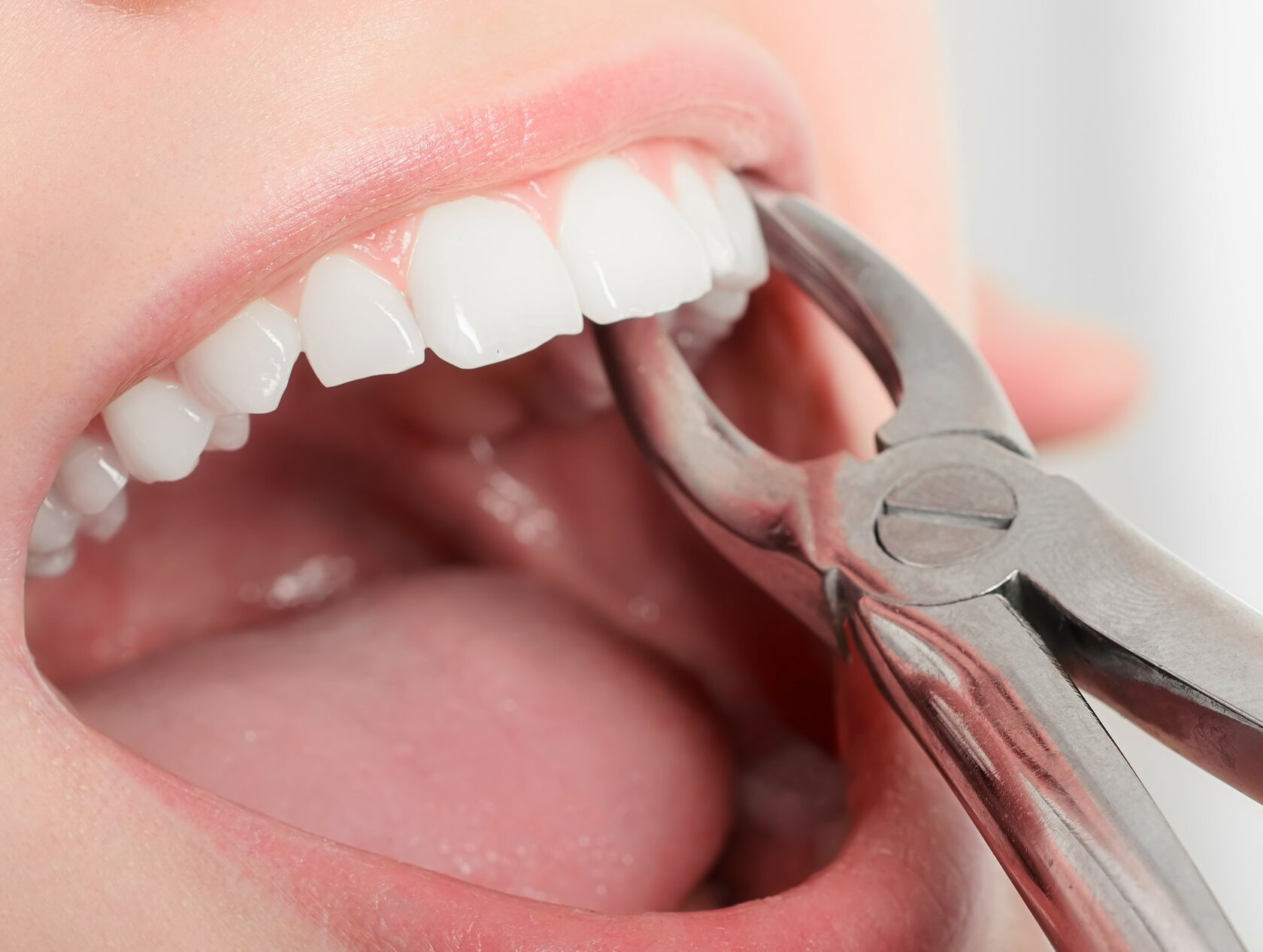

Tooth extraction is a routine dental treatment that can relieve pain and stop problems from getting worse. Knowing the warning signs that point to an extraction—and what recovery looks like—helps you make informed choices about your oral health. Below, we walk through common reasons for extraction, what happens during the procedure, typical healing timelines, and what Encino patients can expect while they recover, including support from Dentist in Encino.
Signs Indicating the Need for Tooth Extraction:
Spotting trouble early can prevent bigger problems down the road. These are common signs that your dentist may recommend removing a tooth:
- Severe Tooth Pain : Ongoing, sharp, or throbbing pain—especially in the back teeth—often points to serious decay or infection that extraction may resolve.
- Repeated Infections : If a tooth and the surrounding gum keep getting infected, removing the tooth can stop recurring issues and protect nearby teeth.
- Impacted Wisdom Teeth : Wisdom teeth that can’t break through the gum properly can cause pain, swelling, or push other teeth out of alignment—making extraction a common solution.
Impacted Wisdom Teeth: Causes, Symptoms, and Extraction Indications
Impacted wisdom teeth are common—research shows a high rate of third molar impaction among young adults. They usually happen when there isn’t enough room, when a tooth is blocked, or when it grows at the wrong angle. Impacted teeth can lead to pain, swelling, infection, and can damage nearby teeth and bone if left untreated.
Impacted wisdom teeth, TB Dodson, 2014
- Orthodontic Treatment : Sometimes teeth need to be removed before braces so the arch has room and the remaining teeth can be aligned correctly.
If you notice these symptoms, make an appointment—early evaluation makes treatment simpler and recovery smoother.
Recovery Process After Tooth Extraction:
Healing after an extraction happens in stages. Here’s a straightforward look at what Encino patients typically experience and how to support recovery.
What Are the Common Signs Indicating You Need a Tooth Extraction?
Common signs that warrant professional consultation include:
- Persistent pain or discomfort in the affected area.
- Visible swelling or signs of infection around the gums.
- Difficulty with chewing or keeping the area clean because of a tooth’s position.
Noticing these signs early can lead to quicker treatment and fewer complications.
What Does the Tooth Extraction Procedure Involve for Encino Patients?
The extraction visit usually follows a few key steps designed to keep you comfortable and safe:
- Consultation : Your dentist evaluates the tooth, reviews X-rays if needed, and recommends the best option.
- Anesthesia : Local anesthesia—or sedation when appropriate—keeps the procedure pain-free.
- Extraction : The tooth is gently loosened and removed using specialist tools; the team works to minimize trauma to the surrounding tissue.
- Post-Procedure Care : You’ll get clear aftercare instructions and any prescriptions needed for pain or infection prevention.
Knowing these steps ahead of time helps reduce anxiety and sets realistic expectations for the visit.
What Is the Expected Recovery Timeline and Healing Process After Extraction?
Recovery usually follows a predictable pattern, though individual healing times vary:
- Immediate Recovery (First 24 Hours) : Expect swelling and some discomfort—these are normal and usually controlled with medication and ice.
- First Week : Swelling and soreness should lessen; most people can return to normal light activities during this time.
- Full Recovery (1-2 Weeks) : The socket fills in and soft tissues heal; complete recovery usually takes one to two weeks, depending on the case.
Following your dentist’s aftercare directions helps keep your recovery on track and reduces the chance of setbacks.
When Should Patients Be Concerned About Dry Socket or Other Complications?
Keep an eye on your healing and call your dentist if you notice warning signs. Common concerns include:
- Dry Socket Symptoms : Intense pain, unpleasant taste or odor, and exposed bone in the socket can mean a dry socket and need prompt attention.
- Infection Indicators : Increased or spreading swelling, redness, fever, or discharge from the site can signal infection and should be evaluated.
Early contact with your dentist prevents small problems from becoming serious.
How Can Encino Patients Manage Pain and Avoid Complications Post-Extraction?
A comfortable recovery starts with simple, proven steps. For a smoother healing experience , try the following:
- Medications : Take prescribed pain relievers or appropriate over-the-counter options as directed.
- Oral Hygiene : Keep your mouth clean but avoid directly disturbing the extraction site for the first few days.
- Diet Adjustments : Stick to soft, cool foods and stay hydrated to avoid irritating the area while it heals.
Post-Operative Pain Management in Pediatric Dental Extractions
AIM: This study evaluated post-operative pain in children and compared children’s self-reports with parents’ assessments, while tracking analgesic use after extractions under general anaesthesia. One hundred children (ages 3–12) were observed, with pain measured before discharge, the evening of surgery, and over the next three evenings to better understand recovery and pain control.Post-operative pain and pain management in children after dental extraction under general anaesthesia, 2012
These practical measures give patients a clear role in their recovery and help reduce discomfort.
What Are the Best Aftercare Tips to Promote Fast Tooth Extraction Healing?
A few simple aftercare habits can speed healing and lower the chance of problems:
- Rest : Give your body time to recover—avoid strenuous activity for the first couple of days.
- Avoid Strenuous Activities : Heavy lifting or exercise can increase bleeding and swelling; wait at least 48 hours.
- Ice Packs : Use ice on the face intermittently the first day to limit swelling and ease discomfort.
Follow these steps and your dentist’s instructions to keep recovery on track and minimize pain.
When Should Encino Patients Contact Their Dentist During Recovery?
Reach out to your dentist right away if you experience any of the following:
- Uncontrolled pain that doesn’t improve with medication.
- Signs of infection, new or worsening swelling, or fever lasting more than a couple of days.
- Any other unexpected symptoms or concerns that worry you.
Quick communication ensures any issues are treated early and keeps your recovery moving in the right direction.
How to Schedule a Tooth Extraction Appointment in Encino?
Booking an extraction consult is simple. At LaDental Line , you can contact the office directly to set up an appointment. Bring any relevant medical history and be ready to describe your symptoms so the team can plan the best care.
With careful treatment and attentive aftercare, extractions can restore comfort and support long-term oral health for Encino patients.
Frequently Asked Questions
What should I expect during my first dental consultation for a tooth extraction?
At your first consultation, the dentist will do an exam, review your medical history, and likely take X-rays. They’ll explain why extraction might be needed, outline the procedure and risks, and answer your questions. Use this visit to share your concerns so the team can tailor care to your needs.
What types of anesthesia are used during tooth extractions?
Anesthesia depends on the procedure and your comfort. Local anesthesia numbs the area, while nitrous oxide or IV sedation can help anxious patients feel calm. In complex cases, general anesthesia may be used. Your dentist will recommend the safest option for you.
Can I eat before my tooth extraction appointment?
It depends on the anesthesia. For local anesthesia, you can usually eat but avoid very hot or hard foods. If you’ll have sedation or general anesthesia, you’ll be asked to fast for a period beforehand—follow your dentist’s instructions closely.
How can I speed up my recovery after a tooth extraction?
Stick to your dentist’s aftercare advice: rest, apply ice as needed, eat soft foods, and keep hydrated. Take medications as prescribed and avoid smoking or drinking alcohol. Gentle oral hygiene helps, but don’t disturb the extraction site while it’s forming a clot.
What follow-up care is necessary after a tooth extraction?
Your dentist may schedule a follow-up visit to check healing and remove stitches if required. Keep the area clean and watch for signs of infection. If pain or swelling persists beyond expected timelines, contact your dentist for an evaluation.
Are there alternatives to tooth extraction?
In some cases, treatments like root canal therapy can save a tooth affected by infection. Orthodontic options may also address crowding without removal. The best choice depends on your specific situation, so discuss alternatives during your consultation.
Conclusion
Recognizing when a tooth needs removal is an important step in protecting your oral health. Understanding the recovery process and following post-operative guidance helps speed healing and reduce discomfort for Encino patients. If you have symptoms or questions, consult a dental professional—schedule an appointment to get personalized advice and care.