

When enhancing your smile, two common cosmetic dental options are “veneers” and teeth whitening. Each option offers distinct benefits and can improve the appearance of your teeth. This article compares veneers and teeth whitening to help you decide which is appropriate for your needs. We review procedures, costs, longevity, and potential risks so you can make an informed choice about smile enhancement.
Veneers
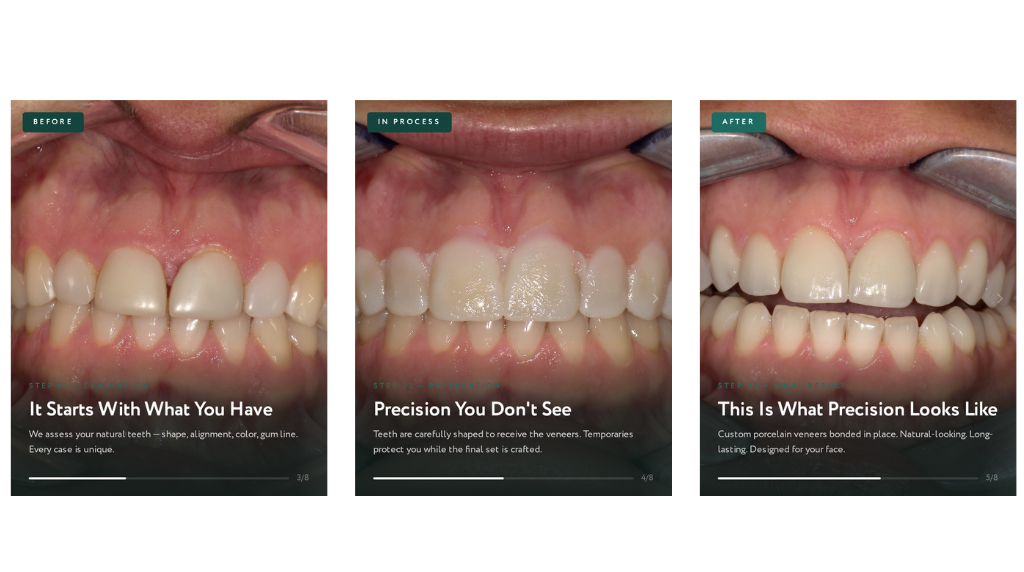
Veneers are thin shells of porcelain or composite resin custom-fitted to the front surface of teeth. They address discoloration, chips and minor misalignment. Key benefits include improved aesthetics, reliable longevity, and the ability to match the veneer to your natural tooth shade.
Veneers are generally recommended for patients with more significant cosmetic concerns. Typical costs range from $300 for composite veneers to $1,500 for porcelain veneers per tooth. This option represents a longer-term investment that can correct multiple dental imperfections.
What Are Dental Veneers and How Do They Enhance Your Smile?
Dental veneers are custom-made shells bonded to the front of teeth to improve appearance. Made from porcelain or composite resin, they closely replicate the look of natural enamel. The process requires minimal enamel reduction, allowing a conservative cosmetic approach. Veneers correct issues such as discoloration, gaps and chips and can markedly improve your smile.
What Types of Veneers Are Available and What Are Their Benefits?
The two primary types are porcelain and composite veneers. Porcelain is noted for its durability and natural appearance, making it a common choice for long-term results. Composite veneers are less expensive and can often be completed in a single visit, though they typically have a shorter lifespan. The optimal choice depends on clinical needs and budget.
Dental literature documents the long-term appeal and effectiveness of porcelain veneers.
Porcelain Veneers: Long-Term Aesthetics & Patient Satisfaction
A review concluded that the medium- to long-term aesthetics of porcelain veneers were excellent and patient satisfaction was high.
Porcelain veneers: a review of the literature, M Peumans, 2000
What Is the Procedure for Getting Veneers at a Dental Practice in Encino?
The process typically begins with a consultation to assess suitability. The dentist then prepares the teeth by removing a small amount of enamel to ensure a proper fit, takes impressions for custom veneers, and bonds the final restorations at a follow-up appointment. The sequence usually takes a few weeks, and results can endure for many years with proper care.
Teeth Whitening
Teeth whitening is a cosmetic treatment that removes stains and discolouration to produce a brighter smile. It is non-invasive and may be performed in a dental office or at home with approved products. Primary advantages include relatively rapid results, minimal invasiveness, and cost-effectiveness for improving appearance.
Professional teeth whitening typically costs between $300 and $1,000, depending on the method. This approach suits patients with mild to moderate staining who want visible improvement without committing to more extensive restorations such as veneers.
What Teeth Whitening Options Are Available and How Do They Differ?
Whitening options include in-office treatments and at-home kits. In-office procedures provide faster results and use stronger bleaching agents under professional supervision. At-home kits are more convenient but typically use lower concentrations and require more time to achieve results. Understanding these differences helps you select the best option for your lifestyle and goals.
What Are the Differences Between Professional and At-Home Teeth Whitening?
Professional whitening is generally more effective because it employs higher concentrations of bleaching agents. At-home kits are often more convenient and less expensive but may not achieve the same degree of whitening. Professional treatment under dental supervision also reduces the risk of side effects such as gum irritation or uneven results.
How Do Permanent and Temporary Whitening Treatments Compare?
It is important to distinguish permanent and temporary options. Permanent treatments, including veneers, provide long-lasting changes. Temporary methods, such as conventional tooth whitening, usually require periodic touch-ups every few months. The decision depends on personal preference and the extent of discolouration.
How Do the Costs and Durability of Veneers Compare to Teeth Whitening?
Costs and durability differ substantially. Veneers typically cost $300 to $1,500 per tooth, depending on material, while professional whitening usually costs $300 to $1,000. With proper care, veneers can last 10 to 15 years; whitening results commonly last from several months up to two years before re-treatment is needed.
| Treatment Type | Cost Range | Longevity |
| Veneers | $300 – $1,500 per tooth | 10 – 15 years |
| Teeth Whitening | $300 – $1,000 | Several months to 2 years |
This comparison highlights veneers as a longer-term investment and teeth whitening as a more temporary option, helping you weigh each treatment against your cosmetic objectives.
What Is the Typical Cost Range for Veneers and Teeth Whitening in Encino?
In Encino, veneers generally range from $300 for composite to $1,500 for porcelain per tooth. Professional whitening treatments commonly cost between $300 and $1,000. These ranges reflect the different levels of financial commitment associated with each treatment.
How Long Do Veneers Last Compared to Teeth Whitening Results?
Veneers are intended as a long-term solution and typically last 10 to 15 years. Whitening results commonly persist from several months to a couple of years. Longevity is an important consideration when choosing between these options.
What Are the Risks and Side Effects Associated with Veneers and Teeth Whitening?
Both procedures carry potential risks. Veneers can cause temporary sensitivity and may require replacement if damaged. Whitening can lead to transient sensitivity and gum irritation, especially if overused or applied incorrectly. A consultation with a dental professional can help minimise these risks and promote a safe treatment experience.
Consider the long-term implications and potential risks of cosmetic dental procedures, as advised by dental experts.
Balancing Risks & Benefits of Cosmetic Dentistry: Veneers vs. Bleaching
Cosmetic dentistry’s popularity has increased with social trends and media exposure. The desire for a perceived ‘perfect smile’ must be balanced by awareness of the significant risks linked to invasive procedures such as veneers and crowns. Elective removal of healthy enamel and dentine can lead to pulpal injury and poorer periodontal health over time, particularly in younger patients. Less invasive options—such as bleaching alone or combined with direct resin composite bonding—can satisfy many patients while preserving tooth structure and providing better fallback positions for future care.
Balancing the risks and benefits associated with cosmetic dentistry–a joint statement by UK specialist dental societies, A Alani, 2015
How Can You Choose the Right Cosmetic Dental Treatment for Your Smile?
Choosing the appropriate cosmetic treatment requires consideration of the extent of your concerns, your budget and the results you expect. A consultation with a cosmetic dentist provides personalised recommendations and clarifies the benefits and limitations of each option.
What Factors Should Influence Your Choice Between Veneers and Teeth Whitening?
Key factors include the severity of discolouration, your budget and the desired duration of results. Veneers are typically better for significant cosmetic defects, while whitening is suitable for mild to moderate staining.
How Does a Cosmetic Dental Consultation in Encino Help Personalize Your Treatment Plan?
A cosmetic dental consultation in Encino enables a tailored treatment plan. During the appointment, the dentist will assess oral health, discuss aesthetic goals and recommend the most appropriate options to achieve your desired smile.
Frequently Asked Questions
What Is the Recovery Time After Getting Veneers?
Most patients can resume normal activities immediately after receiving veneers. Some individuals experience mild sensitivity or discomfort for a few days as tissues adapt. Avoid hard or sticky foods initially to allow the bonding material to set. Regular follow-up appointments ensure the veneers fit properly and any issues are addressed.
Can Teeth Whitening Damage Enamel?
When performed correctly, whitening is generally safe and does not damage enamel. Overuse or incorrect application, however, can contribute to enamel erosion and increased sensitivity. Follow product instructions for at-home kits and consult a dental professional for in-office treatments to minimise risk.
How Often Should You Get Teeth Whitening Treatments?
Frequency depends on the method and personal factors. For in-office treatments, most dentists recommend waiting six months to a year between sessions to protect enamel. At-home kits may be used more frequently, but consult your dentist to establish a safe and effective schedule based on staining and oral health.
Are There Any Alternatives to Veneers and Teeth Whitening?
Alternatives include dental bonding, which applies a tooth-coloured resin to correct minor imperfections, and orthodontic treatments such as braces or clear aligners to address misalignment. A cosmetic dentist can assess which options best meet your treatment goals.
What Maintenance Is Required for Veneers and Teeth Whitening Results?
Veneer maintenance includes regular dental examinations and diligent oral hygiene—brushing and flossing daily. Avoid hard foods and use a non-abrasive toothpaste to prolong veneer life. To preserve whitening results, maintain good hygiene and limit stain-causing foods and beverages; periodic touch-ups may be necessary.
Can You Combine Veneers and Teeth Whitening?
Combining whitening and veneers can be effective. Many patients whiten first to establish a uniform base colour before veneer placement so the restorations match the desired shade. Consult with a cosmetic dentist to coordinate a cohesive treatment plan.
Conclusion
Choosing between veneers and teeth whitening affects both appearance and confidence. Each option has advantages—veneers for longer-lasting change and whitening for quicker enhancement. Understanding these differences enables an informed decision aligned with your aesthetic goals. If you’re considering treatment, consulting a Dentist in Encino can help you determine the most suitable option for your needs and achieve the best possible results.