
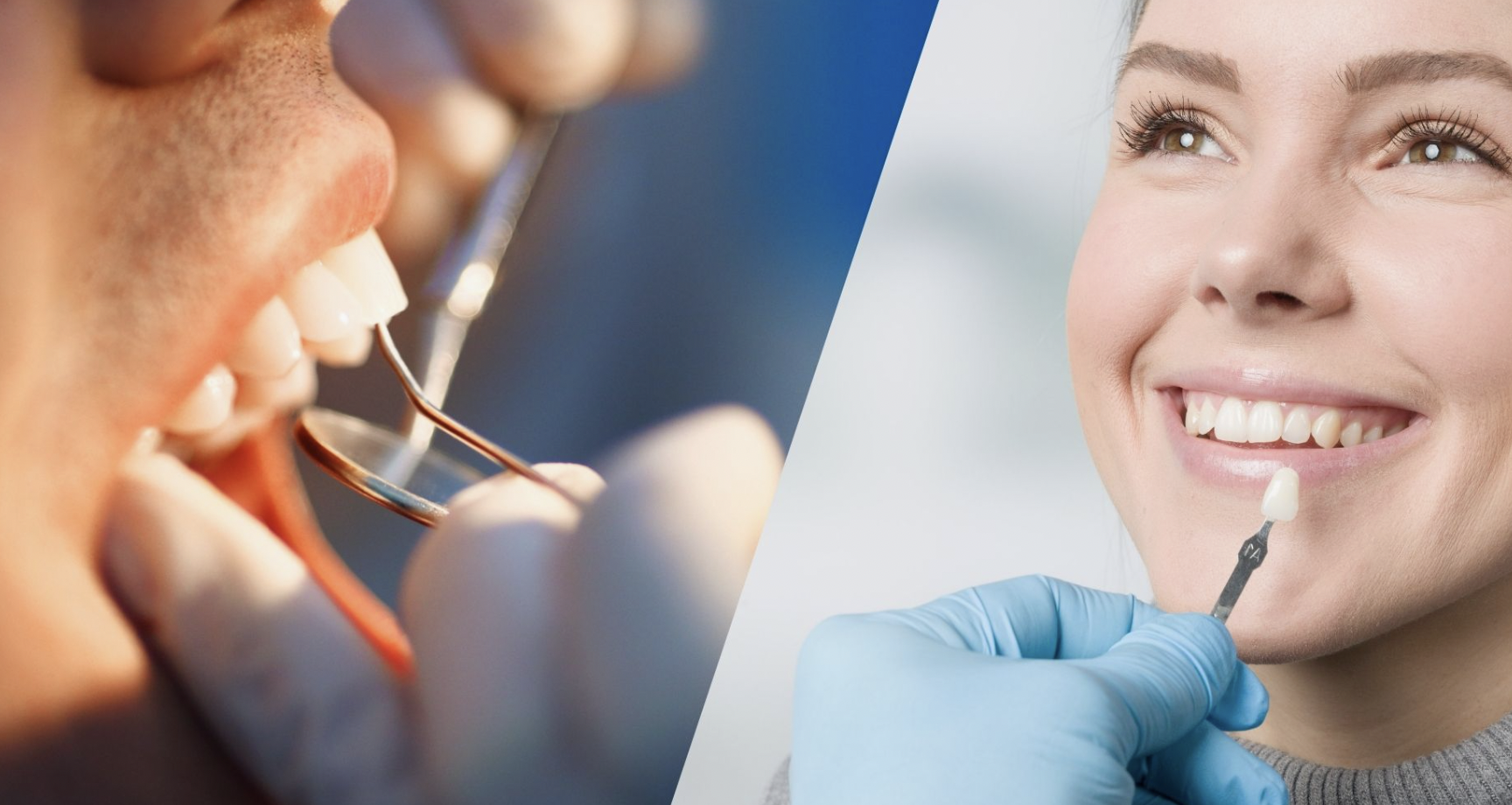

Cosmetic dentistry gives you reliable ways to improve your smile, and two of the most common choices are dental bonding and porcelain veneers. Both can correct discoloration, chips, and minor shape issues, but they differ in material, cost, and how long they last. Below we break down the main differences—costs, durability, and the factors to weigh—so you can choose the option that fits your needs and goals. If you’re considering treatment locally, you can also explore options with a Dentist in Encino for more personalized guidance.
Comparison of Dental Bonding and Porcelain Veneers in Encino
Dental bonding and porcelain veneers address many of the same cosmetic concerns, yet they take different approaches. Knowing how each is made, how long it lasts, and what it costs helps patients in Encino decide which treatment aligns with their priorities.
Costs:
Price is often a deciding factor. Here’s a clear look at typical ranges so you can see how each option may fit your budget.
- Dental Bonding: Typically $300 to $800 per tooth, making it a more budget-friendly choice for many patients.
- Porcelain Veneers: Generally range from $925 to $2,500 per tooth, depending on materials and the complexity of the case.
Actual costs depend on the dentist’s experience, the extent of work needed, and any additional treatments required.
Longevity:
How long the treatment lasts affects overall value. A longer-lasting option can be worth a higher upfront cost if you want fewer replacements over time.
- Dental Bonding: Usually lasts about 3 to 10 years, and may need touch-ups or replacement sooner if it chips or stains.
- Porcelain Veneers: Typically last between 10 to 20 years with proper care, offering a more durable aesthetic solution.
Think about maintenance and replacement costs when weighing short-term savings against long-term value.
Disadvantages and Longevity of Porcelain Veneers
Some bonded porcelain veneers require additional support and can be more challenging to repair when damaged. Their long-term life expectancy may be less well-defined in certain cases. The study “The clinical longevity of porcelain veneers: a 48-month clinical evaluation” (1998) discusses these limitations and examines bond strength between composite and etched porcelain.
Key Factors to Consider:
Several practical considerations should guide your choice between bonding and veneers. These points focus on what usually matters most to patients.
- Extent of Cosmetic Issues: Bonding often suits small repairs and minor color corrections, while porcelain veneers are better for larger shape or alignment concerns.
- Treatment Time: Bonding can usually be completed in a single visit; veneers typically take multiple appointments for preparation and custom fabrication.
- Invasiveness and Aesthetics: Veneers require some enamel removal, so they’re a more permanent alteration. Bonding preserves more natural tooth structure but may not match the long-term aesthetics of porcelain.
Reviewing these factors with your dentist will help match the treatment to your goals and oral health.
What Are Dental Bonding and Porcelain Veneers?
Both treatments improve the look of teeth but use different materials and techniques.
Dental bonding uses a tooth-colored composite resin applied directly to the tooth to repair chips, close small gaps, or mask discoloration. The dentist sculpts the material on the tooth and blends it to match the surrounding enamel for a natural finish.
Porcelain veneers are thin ceramic shells custom-made to cover the front surface of a tooth. They conceal stains, reshape teeth, and deliver a uniform appearance. Because veneers require some enamel removal, they represent a longer-term, more permanent cosmetic choice.
How Is Composite Dental Bonding Performed?
Composite bonding is a straightforward process that often doesn’t require anesthesia unless decay is present. The clinician selects a shade of composite that matches your teeth and follows a few simple steps.
- Preparation: The tooth surface is gently roughened to help the composite adhere.
- Application: The resin is applied and shaped to achieve the desired contour.
- Curing: A curing light hardens the material, which is then polished to a natural sheen.
The procedure is quick, and many patients leave the office with immediate improvement after a single visit.
What Are Porcelain Veneers Made Of and How Are They Applied?
Porcelain veneers are crafted from durable ceramic that closely mimics natural enamel in color and translucency. The usual process looks like this:
- Consultation: The dentist evaluates your smile and outlines a treatment plan.
- Enamel Removal: A small amount of enamel is removed so the veneer sits flush with the tooth surface.
- Impressions: Precise impressions are taken to fabricate custom veneers.
- Bonding: The veneers are permanently bonded to the teeth with a strong dental adhesive.
Many patients choose veneers for their natural appearance and long-lasting results.
Porcelain Veneer Longevity with Existing Restorations
A clinical study examining ceramic laminate veneers up to 40 months found that survival rates were not markedly different when veneers were bonded to intact teeth compared with teeth that had existing composite restorations (including cases with ECR). The research provides useful context for planning veneer treatment when restorations already exist.
How Do Costs of Dental Bonding and Porcelain Veneers Compare in Encino?
Comparing costs helps patients in Encino decide which option fits their budget and goals. If you want a broader view of restorative options, see our restorative dentistry resources.
| Procedure | Cost Range |
| Dental Bonding | $300 – $800 per tooth |
| Porcelain Veneers | $925 – $2,500 per tooth |
These figures should be considered estimates; your final cost may vary based on the specifics of your case and the provider you choose.
What Is the Average Cost of Composite Bonding in Encino?
In Encino, composite bonding typically runs about $300 to $800 per tooth. Prices depend on how complex the repair is and the clinician’s level of experience.
How Much Do Porcelain Veneers Cost in Encino, CA?
Porcelain veneers in Encino commonly range from $925 to $2,500 per tooth. The variation reflects differences in material quality, lab work, and the complexity of the case.
Which Procedure Offers Better Longevity and Durability?
For durability, porcelain veneers generally outperform composite bonding. If long-term results are a priority, veneers are often the preferred choice.
- Porcelain veneers typically last 10 to 20 years with good care, making them a durable, long-term solution.
- Dental bonding tends to last about 3 to 10 years and may need more frequent touch-ups or replacements.
The gap in lifespan is an important factor when considering overall value and maintenance.
How Long Do Porcelain Veneers Last Compared to Dental Bonding?
Porcelain veneers generally outlast dental bonding. Bonding usually needs attention every 3 to 10 years, while veneers commonly remain serviceable for a decade or more—often 10 to 20 years—when maintained properly.
What Maintenance Is Required for Bonding vs Veneers?
Both options require routine oral care, but maintenance differs slightly between them.
- Dental Bonding: Keep up with daily brushing and flossing, avoid chewing hard objects, and be mindful of staining foods and drinks to prolong the composite material.
- Porcelain Veneers: Routine dental visits and good oral hygiene are essential. Veneers resist stains and wear better than composite but still need protection from trauma and poor oral habits.
Following these care tips helps maximize the lifespan of either treatment.
What Are the Benefits and Drawbacks of Bonding and Veneers?
Weighing pros and cons helps you choose the best option for your smile. Some patients combine treatments depending on their needs—your dentist can advise on the best approach.
What Are the Cosmetic Advantages of Dental Bonding?
Dental bonding offers a number of practical benefits:
- Affordability: More economical than veneers, making it accessible for many patients.
- Time Efficiency: Often finished in a single appointment.
- Versatility: Effective for small chips, gaps, and quick aesthetic fixes.
What Are the Advantages and Limitations of Porcelain Veneers?
Porcelain veneers have distinct strengths and some trade-offs:
- Natural Appearance: Closely mimics natural teeth and delivers excellent esthetic results.
- Durability: Longer-lasting than bonding, which can justify the higher initial cost.
- Invasiveness: Requires removal of some enamel, making it a more permanent choice than bonding.
Balancing these factors with your goals will help determine the best path forward.
How to Choose Between Dental Bonding and Porcelain Veneers?
Your choice depends on your cosmetic goals, budget, and how permanent you want the solution to be. A consultation with an experienced cosmetic dentist will help you evaluate your options and create a plan that fits your lifestyle.
Which Option Is Best for Stained Teeth: Bonding or Veneers?
For stubborn stains, porcelain veneers usually offer better coverage and resist discoloration longer than composite bonding. If stain resistance is a top priority, veneers are often the better long-term choice.
How Should Patient Lifestyle and Budget Influence Treatment Choice?
Consider how you use your teeth and what you can comfortably invest. Bonding suits patients seeking a faster, less expensive fix, while veneers appeal to those prioritizing durability and a high-quality aesthetic despite higher upfront costs.
Where to Find the Best Cosmetic Dentist for Bonding and Veneers in Encino?
Finding a skilled cosmetic dentist in Encino matters. Look for clinicians with strong portfolios, positive patient reviews, and experience with the treatments you’re considering. Nearby practices, including some in Tarzana, CA, may offer comparable expertise.
What Qualities to Look for in an Encino Cosmetic Dentist?
When choosing a cosmetic dentist, focus on these qualities:
- Experience: A provider with extensive cosmetic dentistry experience delivers more predictable outcomes.
- Patient Reviews: Positive testimonials can indicate consistent, satisfying results.
- Technology: Modern equipment and digital workflows often improve precision and comfort.
Evaluating these factors can help you find a dentist who meets your expectations.
How Can Patients Schedule Consultations and Procedures Locally?
Booking a consultation is the first step. Most dental offices let you schedule online or by phone for convenience. If you’d like to reach our team, visit our contact page to get started.
Clear communication about your goals will help the dental team tailor a treatment plan that fits your needs.
Frequently Asked Questions
What is the recovery time associated with bonding and veneer procedures?
Recovery is usually quick. After bonding most patients have minimal discomfort and can resume normal activities right away; mild temperature sensitivity can occur briefly. Veneers may involve a short adjustment period after enamel removal—expect a few days for sensitivity or adapting to the feel of the restorations.
Can dental bonding or porcelain veneers be repaired if damaged?
Both can be repaired, but the approach differs. Bonding can often be touched up or rebuilt with additional composite. Porcelain veneers are harder to repair; severe damage usually means replacing the veneer to restore appearance and function. Your dentist will recommend the best repair option based on the situation.
Are dental bonding and porcelain veneers covered by insurance?
Coverage varies by plan. Bonding may receive partial coverage if it restores function, but veneers are often considered cosmetic and may not be covered. Check your insurance policy or speak with your dental office to understand potential out-of-pocket costs.
How do lifestyle factors impact the longevity of bonding and veneers?
Daily habits strongly influence longevity. Teeth grinding, chewing hard objects, smoking, and frequent consumption of staining foods or drinks can shorten the life of both treatments. Veneers resist staining and wear better than composite, but they’re still vulnerable to trauma. Good oral hygiene and regular dental visits will help both last longer.
Is it possible to whiten teeth that have been treated with bonding or veneers?
Traditional whitening won’t change the color of existing bonding or veneers. Composite bonding can be repaired or replaced if it becomes discolored. Porcelain veneers generally keep their shade but would need replacement if their color no longer matches surrounding teeth. Discuss whitening goals with your dentist before treatment to align expectations.
What should I expect during a consultation for bonding or veneers?
During a consultation, your dentist will examine your teeth, discuss your aesthetic goals, and may take X-rays or photos. You’ll review treatment options, likely outcomes, timelines, and costs. It’s a chance to ask questions and make a plan that fits your expectations and oral health.
Conclusion
Choosing between dental bonding and porcelain veneers shapes both the look and longevity of your smile. Bonding is cost-effective and fast, while veneers offer greater durability and a refined aesthetic—often worth the higher investment for long-term results. Discuss your goals and budget with a trusted cosmetic dentist to find the best solution for you. Schedule a consultation to explore which option suits your smile and lifestyle.