
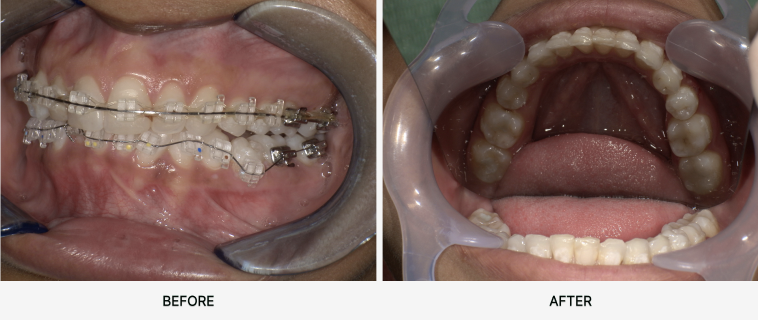

As adults seek to improve their smiles, the choice between clear aligners and traditional braces becomes increasingly relevant. This comprehensive guide will explore the effectiveness, costs, and patient experiences associated with both orthodontic options. In 2026, advancements in dental technology have made clear aligners, such as Invisalign, a popular choice for many, but traditional braces still hold significant advantages for certain cases. Understanding the nuances of each treatment can help you make an informed decision tailored to your orthodontic needs. This article will cover treatment effectiveness, cost comparisons, and patient experiences, providing a thorough overview of adult orthodontic options available in Encino.
Treatment Effectiveness
When considering orthodontic treatments, effectiveness is a primary concern. Both clear aligners and traditional braces have unique mechanisms that cater to different orthodontic issues.
Clear Aligners (Invisalign)
Clear aligners, particularly Invisalign, utilize a series of custom-made, removable trays that gradually shift teeth into the desired position. This method is particularly effective for mild to moderate misalignments. The aligners are designed using advanced 3D imaging technology, allowing for precise movements. Patients typically wear each set of aligners for about two weeks before progressing to the next set, with treatment duration averaging between 6 to 18 months, depending on the complexity of the case.
Research further clarifies the specific scenarios where Invisalign excels and where its capabilities may be limited.
Invisalign Effectiveness: Mild Malocclusions & Limitations
However, there was substantial consistency among studies that the Invisalign® system is a viable alternative to conventional orthodontic therapy in the correction of mild to moderate malocclusions in non-growing patients that do not require extraction. Moreover, Invisalign® aligners can predictably level, tip, and derotate teeth (except for cuspids and premolars). On the other hand, limited efficacy was identified in arch expansion through bodily tooth movement, extraction space closure, corrections of occlusal contacts, and larger antero-posterior and vertical discrepancies.
Clinical effectiveness of Invisalign® orthodontic treatment: a systematic review, N Gkantidis, 2018
Traditional Braces
Traditional braces consist of metal brackets bonded to the teeth, connected by an archwire. This method is highly effective for a wide range of orthodontic issues, including severe misalignments and complex cases. The brackets apply continuous pressure to the teeth, gradually moving them into the correct position. Treatment with traditional braces usually lasts between 18 to 36 months, making them a reliable option for those needing significant adjustments.
A comparative study underscores the nuanced differences in effectiveness and treatment duration between these two popular orthodontic methods.
Clear Aligners vs. Braces: Effectiveness & Treatment Duration
Both clear aligners and braces were effective in treating malocclusion. Clear aligners had advantage in segmented movement of teeth and shortened treatment duration, but were not as effective as braces in producing adequate occlusal contacts, controlling teeth torque, and retention.
A comparison of treatment effectiveness between clear aligner and fixed appliance therapies, 2019
Cost Comparisons
Understanding the financial aspect of orthodontic treatments is crucial for many patients. The costs associated with clear aligners and traditional braces can vary significantly based on several factors, including the complexity of the case and the duration of treatment.
Clear Aligners (Invisalign)
The cost of clear aligners typically ranges from $3,000 to $8,000. This price can fluctuate based on the specific treatment plan and the provider’s expertise. Many dental insurance plans offer partial coverage for clear aligners, which can help alleviate some of the financial burden. Additionally, some practices provide flexible payment plans to make treatment more accessible.
Traditional Braces
Traditional braces generally cost between $2,500 and $7,000. Similar to clear aligners, insurance coverage may apply, and many orthodontic offices offer financing options to help manage costs. The overall expense can depend on the length of treatment and the materials used, such as ceramic or lingual braces, which may be more expensive than standard metal braces.
| Treatment Type | Average Cost Range | Insurance Coverage | Payment Plans Available |
| Clear Aligners | $3,000 – $8,000 | Partial coverage | Yes |
| Traditional Braces | $2,500 – $7,000 | Partial coverage | Yes |
This comparison highlights the financial considerations that patients must weigh when choosing between clear aligners and traditional braces.
Patient Experiences
Patient experiences can significantly influence the choice between clear aligners and traditional braces. Each option offers distinct advantages and challenges that can affect comfort and satisfaction.
Clear Aligners (Invisalign)
Many patients appreciate the aesthetic appeal of clear aligners, as they are virtually invisible when worn. This feature allows for a more discreet treatment option, which is particularly appealing to adults. Additionally, clear aligners are removable, making it easier to maintain oral hygiene and enjoy a wider variety of foods. However, some users report discomfort during the initial days of wearing a new set of aligners, as well as the need for discipline in wearing them for the recommended 20-22 hours per day.
Further research supports the notion that clear aligners can significantly enhance patient comfort and overall quality of life compared to traditional fixed appliances.
Clear Aligners vs. Braces: Treatment Effects & Patient Comfort
In the orthodontic therapy of sufferers with malocclusion, compared with the traditional fixed appliance, the clear aligners without brackets can enhance the treatment effects, improve the periodontal condition and masticatory function, and reduce the inflammatory responses, so that patients can feel more comfortable, thereby improving their psychology, sleep and quality of life.
Comparison of fixed braces and clear braces for malocclusion treatment, 2024
Traditional Braces
While traditional braces are more visible, they are often preferred for their effectiveness in treating complex orthodontic issues. Patients with braces may experience discomfort after adjustments, but many find that the results justify the temporary inconvenience. Maintenance can be more challenging, as food restrictions and additional cleaning efforts are necessary to prevent plaque buildup around the brackets. However, the consistent pressure applied by braces can lead to more predictable outcomes for severe misalignments.
Conclusion
In summary, both clear aligners and traditional braces offer effective solutions for adult orthodontics, each with its unique benefits and challenges. Clear aligners provide a discreet and convenient option for mild to moderate cases, while traditional braces remain the gold standard for more complex orthodontic issues. Consulting with a qualified orthodontist, such as those at Dental Line in Encino, can help you determine the best treatment plan tailored to your specific needs and preferences.
Frequently Asked Questions
1. What factors should I consider when choosing between clear aligners and traditional braces?
When deciding between clear aligners and traditional braces, consider factors such as the severity of your orthodontic issues, treatment duration, aesthetic preferences, and lifestyle. Clear aligners are often preferred for mild to moderate misalignments and offer a discreet appearance, while traditional braces are more effective for complex cases. Additionally, think about your commitment to wearing aligners for the recommended hours and the maintenance required for braces, including dietary restrictions and oral hygiene practices.
2. How do clear aligners affect oral hygiene compared to traditional braces?
Clear aligners provide an advantage in maintaining oral hygiene since they are removable. Patients can brush and floss their teeth without obstruction, reducing the risk of plaque buildup and cavities. In contrast, traditional braces can make oral hygiene more challenging, as food particles can get trapped around brackets and wires. This necessitates more diligent cleaning routines to prevent dental issues. However, both options require regular dental check-ups to ensure optimal oral health throughout treatment.
3. Are there any age restrictions for using clear aligners or braces?
There are no strict age restrictions for using clear aligners or braces; however, the suitability of each treatment depends on the individual’s dental development and specific orthodontic needs. Clear aligners are often recommended for adults and older teens whose teeth and jaws have fully developed. Traditional braces can be used for patients of all ages, including children, as they can effectively address a wide range of orthodontic issues regardless of the patient’s age.
4. Can I switch from clear aligners to traditional braces during treatment?
Yes, it is possible to switch from clear aligners to traditional braces during treatment if your orthodontist determines that it is necessary for achieving optimal results. This may occur if your dental issues are more complex than initially assessed or if you are not compliant with wearing the aligners as prescribed. Your orthodontist will evaluate your progress and recommend the best course of action to ensure your treatment remains effective and on track.
5. How do I know if I am a good candidate for clear aligners?
A good candidate for clear aligners typically has mild to moderate orthodontic issues, such as crowding, spacing, or minor bite problems. During an initial consultation, your orthodontist will assess your dental condition using imaging and physical examinations to determine if clear aligners are suitable for you. Factors such as your commitment to wearing the aligners for the required hours each day and your ability to maintain oral hygiene will also be considered in the evaluation process.
6. What are the common discomforts associated with clear aligners and braces?
Both clear aligners and traditional braces can cause discomfort, particularly after adjustments or when starting a new set of aligners. Clear aligners may lead to temporary soreness as teeth shift, while braces can cause discomfort due to the pressure from the brackets and wires. This discomfort usually subsides within a few days. Over-the-counter pain relievers can help alleviate any discomfort during the adjustment periods for both treatment options.
7. How can I manage the cost of orthodontic treatment?
Managing the cost of orthodontic treatment can be achieved through several strategies. First, check with your dental insurance provider to see if they offer coverage for orthodontic services, as many plans provide partial reimbursement. Additionally, many orthodontic practices offer flexible payment plans that allow you to spread the cost over time. Some offices may also provide discounts for upfront payments or referrals, making treatment more affordable. Always discuss financial options with your orthodontist during your consultation.