
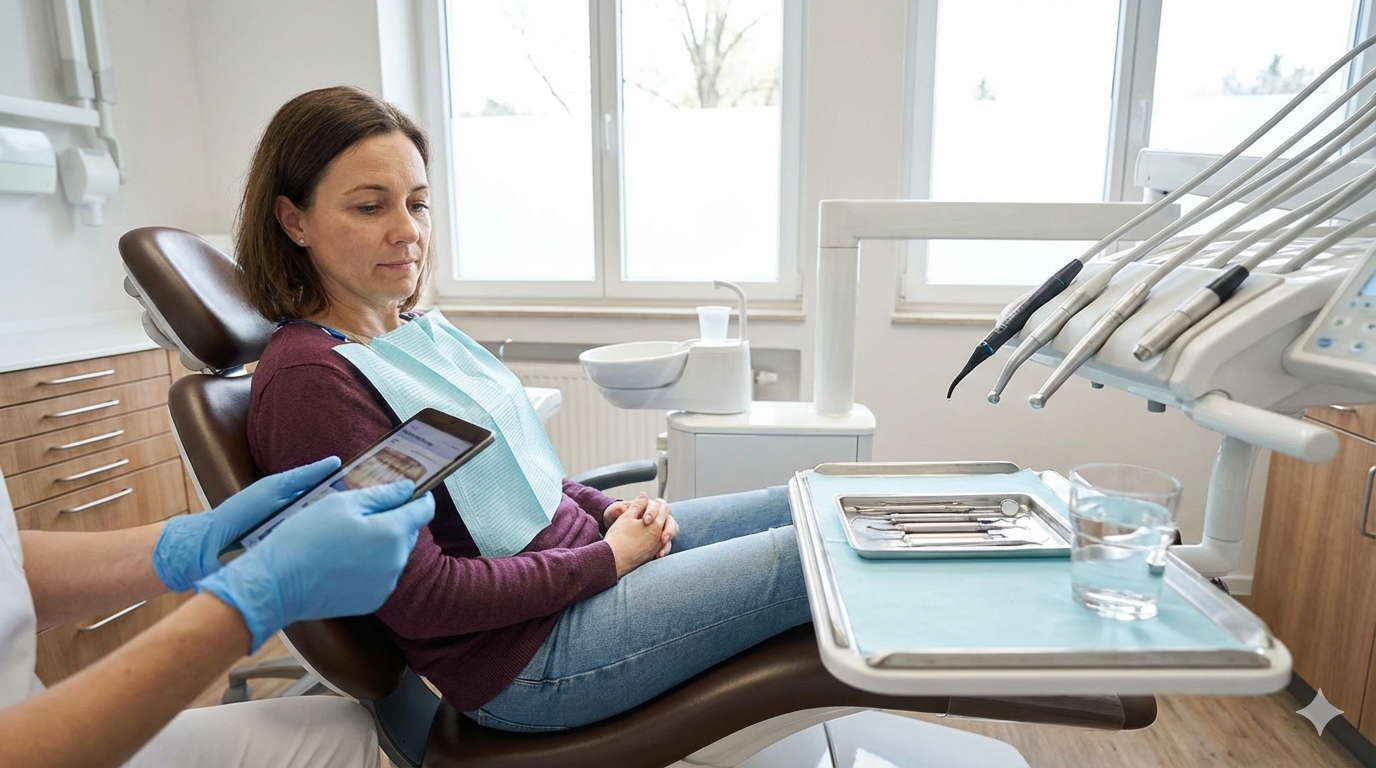

You have the right to accept or decline a recommended deep cleaning at the dentist. Informed consent—and informed refusal—are at the heart of patient autonomy. This guide explains what a deep cleaning (scaling and root planing) involves, why clinicians recommend it, the legal and ethical basics of refusing care, and the practical trade-offs of saying no. We cover how untreated gum disease can progress, non‑surgical options, typical costs, and when it makes sense to seek a second opinion. Along the way you’ll find clear checklists, comparison tables, and next steps so you can talk with your provider confidently. We use straightforward language and current clinical reasoning to help you weigh risks and benefits before deciding whether to move forward.
What Is Deep Cleaning and Why Is It Recommended?
Deep cleaning—also called scaling and root planing—is a focused periodontal treatment that removes plaque and hard tartar below the gumline and smooths the roots to encourage reattachment and reduce bacterial build‑up. Clinicians use ultrasonic instruments and hand tools to break up and remove subgingival deposits; smoothing root surfaces lowers places where bacteria can recolonize. The goal is to stop or slow early periodontitis, reduce pocket depths and bleeding, and lower inflammation that damages supporting tissues. Knowing these objectives helps you compare deep cleaning with a routine hygiene visit and understand why it’s recommended when periodontal disease is present.
Deep cleaning is suggested when clinical findings and imaging show disease beyond simple staining. Typical signs include pocket depths over 3–4 mm, bleeding on probing, visible calculus below the gum margin, and radiographic bone loss. These objective measures guide shared decision‑making between you and your clinician about whether scaling and root planing is the right next step. In short: deep cleaning treats subgingival disease that a routine prophylaxis can’t reach. The next section lays out that difference more directly.
Collaborative decision‑making—where clinician and patient review objective measures together—remains central to current best practices for procedures like scaling and root planing.
Shared Decision‑Making for Scaling and Root Planing
An estimate of approaches dental hygienists use to engage patients when deciding on scaling and root planing, emphasizing shared decision practices.
Shared decision‑making in scaling and root planing, 2024
The table below compares routine (prophylaxis) care with deep cleaning so you can see differences in scope, tools, and goals.
| Procedure | Target Area | Tools Used | Typical Indication | Expected Outcome |
|---|---|---|---|---|
| Regular Cleaning (Prophylaxis) | Supragingival surfaces (above the gumline) | Polishing, ultrasonic scaler, flossing | Healthy gums or gingivitis without deep pockets | Removes plaque and tartar on crowns, freshens breath, maintenance |
| Deep Cleaning (Scaling & Root Planing) | Subgingival root surfaces and periodontal pockets | Ultrasonic scalers, hand curettes, local anesthesia | Periodontitis with pockets ≥ 4 mm, subgingival calculus, attachment loss | Reduces pocket depth, controls infection, promotes tissue healing |
| Periodontal Maintenance | Pocket re-evaluation and targeted subgingival cleaning | Ultrasonic and hand instruments, local measures | After scaling/root planing or periodontal surgery | Sustains periodontal stability and prevents recurrence |
This side‑by‑side view highlights why scaling and root planing is more therapeutic than routine hygiene and why clinicians recommend it when objective disease is documented.
Here are the primary clinical benefits that make deep cleaning an evidence‑based option:
- Arrest disease progression: removes subgingival biofilm that drives attachment loss.
- Improve gum health: lowers inflammation, bleeding, and pocket depth.
- Reduce systemic burden: decreases oral bacterial load tied to systemic inflammation.
These outcomes explain why clinicians recommend deep cleaning when measurements and symptoms point to active periodontal disease—and why understanding your rights matters when you’re deciding how to proceed.
How Does Deep Cleaning Differ from Regular Teeth Cleaning?
Deep cleaning differs from a routine cleaning in scope, instruments, and goals. Scaling and root planing targets subgingival deposits to treat periodontal infection; it uses ultrasonic scalers and hand curettes to reach pocket floors and smooth root surfaces, often with local anesthesia for comfort. Regular cleanings focus on plaque and tartar above the gumline and include polishing and hygiene coaching. The clinical difference is outcome: deep cleaning aims to reduce pocket depths and promote reattachment, while routine cleaning maintains oral hygiene for patients without significant pockets.
For example: a patient with multiple 5 mm pockets and bleeding on probing will usually need subgingival therapy, while someone with 1–3 mm sulcus depths benefits from standard prophylaxis. That contrast helps you interpret probing measurements and ask focused questions about necessity and expected results.
When Is Deep Cleaning Necessary for Gum Disease?
Deep cleaning is generally needed when periodontal assessment shows pockets and attachment loss that routine cleaning cannot resolve—commonly with pocket depths of 4 mm or greater, ongoing bleeding on probing, and detectable subgingival calculus. Diagnosis relies on periodontal probing, charting attachment levels, and dental x‑rays to check for bone loss. Symptoms such as persistent bad breath, gum recession, tooth mobility, and sensitivity often accompany these objective findings and support the recommendation for scaling and root planing. Because individual risk factors—like smoking and diabetes—affect disease progression, clinicians base recommendations on measurable signs rather than subjective pain alone.
If you’re unsure, ask to see your probing chart and an explanation of your radiographs—documented measurements form the foundation of treatment decisions and make it easier to weigh options or seek a second opinion.
What Are My Patient Rights Regarding Refusing Dental Treatment?
You have a legal and ethical right to accept or refuse recommended dental treatment once you’ve been given adequate information—this is the principle behind informed consent and informed refusal. In practice, that means your dentist should explain the diagnosis, the recommended treatment, risks and benefits, and reasonable alternatives so you can make a voluntary decision. If you decline a procedure, it’s best to document that choice and acknowledge the potential consequences. This process protects your autonomy while allowing clinicians to record that risks were explained.
Respecting patient autonomy is a core ethical principle in modern health care and underpins the right to accept or refuse treatment.
Patient Autonomy & Right to Refuse Dental Treatment
Contemporary ethical and legal frameworks place patient self‑determination at the center of the therapeutic relationship, including the right to consent to or refuse proposed dental care.
Patient autonomy as a necessary but limited ethical principle in shaping the dentist‑patient relationship, 2019
If you refuse treatment, ask for a written summary of the discussion and request that the clinician documents your informed refusal in your record; that note should list the recommended treatment, the risks of declining, and your stated understanding. Dentists should also offer reasonable alternatives or interim care and outline a follow‑up plan so your oral health can be monitored even without the original procedure. The section below gives practical steps to follow when considering refusal.
Use this short checklist to make sure your decision is informed and recorded:
- Ask for a clear explanation: Request both verbal and written summaries of the diagnosis and recommendation.
- Request alternatives: Discuss non‑surgical or interim measures and how effective they might be.
- Document refusal: Ask the office to record your informed refusal and the reasons discussed.
Following this checklist helps create shared understanding and prepares you for any necessary follow‑up—next we cover the legal standing of refusal.
Can I Legally Refuse a Deep Cleaning?
Yes. Competent adults with decision‑making capacity may legally refuse recommended dental treatment, including deep cleaning, provided they’ve received adequate information about risks and alternatives. Public‑health exceptions are rare in dentistry and typically don’t apply to routine procedures, so refusal usually remains within your rights. For legal prudence, have the refusal documented and request written explanations of risks and alternatives to protect both you and the practice. Keep in mind that refusal can affect future treatment options and insurance coverage, so discuss these practical implications with your provider.
If you decline, you can ask for a second opinion or request a time‑limited deferral while you try enhanced home care or adjunctive therapies—these approaches preserve autonomy while maintaining a plan to monitor and address disease progression.
What Are the Responsibilities of My Dentist When I Refuse Treatment?
When a patient refuses treatment, a responsible dentist documents the discussion in detail, explains foreseeable risks and likely outcomes, offers reasonable alternatives, and arranges appropriate follow‑up or referral. Ethical practice also includes confirming the patient’s understanding, providing educational resources, and noting monitoring intervals or interim therapies in the chart. If refusal creates urgent risk to oral or systemic health, the dentist should communicate that clearly and advise prompt reassessment; otherwise, they should respect your decision and continue to provide care.
Example wording you can ask to have recorded: “Patient declines scaling and root planing after informed discussion of risks, alternatives, and potential progression; will follow enhanced home care and return for reassessment in X months.” That kind of note documents the shared decision and informs future providers about prior counseling.
What Are the Consequences of Refusing a Deep Cleaning?
Refusing a deep cleaning when it’s clinically indicated can lead to worsening oral health over weeks, months, or years. Untreated periodontitis often progresses from gum inflammation to pocket formation, attachment loss, bone destruction, and eventually tooth mobility and loss. The underlying cause is persistent subgingival biofilm and inflammation that break down connective tissue and bone. Consequences also include more complex—and more expensive—treatment later on: what might be managed non‑surgically early could later require periodontal surgery or tooth replacement. Knowing these timelines helps balance short‑term hesitation against long‑term outcomes.
Progression speed varies by risk factors: people with diabetes, smokers, or those with immune compromise often deteriorate faster and respond less well to delayed therapy. The next section expands on staging and monitoring for patients who decline initial therapy.
Key oral and systemic consequences to consider:
- Tooth loss: Ongoing bone and attachment loss threaten tooth stability.
- Bone loss: Alveolar bone destruction complicates future restorative options.
- Worsened systemic control: Periodontal inflammation can make glycemic control harder and is linked with cardiovascular risk.
These risks explain why timely management is usually recommended. For patients facing severe tooth damage from advanced periodontal disease, restorative options like dental crowns may become necessary to restore function and appearance.
How Does Untreated Gum Disease Progress Without Deep Cleaning?
Without intervention, periodontal disease often moves from reversible gingivitis to irreversible periodontitis: pockets deepen, attachment is lost, and bone is gradually resorbed. Early signs include bleeding and redness; moderate disease shows measurable pockets and initial radiographic bone loss; advanced disease results in severe bone loss, tooth mobility, and potential tooth loss. Timeframes vary—weeks to months for high‑risk patients, years for lower‑risk—but the overall trend without subgingival therapy is toward greater treatment complexity. Early recognition and monitoring of probing depths give you the best chance to halt or reverse damage before it becomes irreversible.
If you decline deep cleaning, commit to frequent monitoring, stricter home care, and appropriate adjunctive measures to reduce the risk of rapid progression.
What Are the Systemic Health Risks Linked to Untreated Gum Disease?
Periodontal disease is linked to systemic inflammation that correlates with higher cardiovascular risk and poorer glycemic control in people with diabetes. Research also explores associations with adverse pregnancy outcomes and neuroinflammatory conditions. While many links are associative rather than strictly causal, biological mechanisms—such as dissemination of bacteria and inflammatory mediators—make these relationships plausible. Treating periodontal infection can improve systemic inflammatory markers and, in some cases, help with glycemic control. If you have chronic health conditions, consider periodontal recommendations as part of your overall health plan.
These systemic connections are one reason clinicians often favor early periodontal intervention. If you decline, discuss how oral health fits into your broader health picture.
Are There Alternatives to Dental Deep Cleaning for Managing Gum Disease?
Non‑surgical options can help control early or localized periodontal issues and may be appropriate for patients who decline or delay scaling and root planing—but their effectiveness depends on disease severity and patient adherence. Alternatives include enhanced home care, antiseptic mouth rinses, localized antibiotic therapy (for example, antibiotic microspheres), laser‑assisted debridement, and more frequent periodontal maintenance. These approaches reduce bacterial load or inflammation but don’t always remove tenacious subgingival calculus mechanically; as a result, they’re often adjunctive or suitable for mild disease rather than reliable stand‑alone treatments for moderate‑to‑severe periodontitis. Any decision to use alternatives should be based on objective measurements and a clear monitoring plan.
The table below compares common alternatives so you can evaluate mechanism, suitability, and typical outcomes.
| Approach | Mechanism | Suitability | Typical Outcome |
|---|---|---|---|
| Enhanced Home Care | Mechanical plaque control plus antiseptic rinses | Mild gingivitis or as an adjunct to professional care | Reduces inflammation; requires strong patient compliance |
| Localized Antibiotics (e.g., Microspheres) | Targeted antibacterial delivery into periodontal pockets | Localized pockets without heavy calculus | Temporary bacterial suppression; adjunct to mechanical therapy |
| Laser Therapy | Bacterial reduction and biostimulation | Select cases as adjunct to scaling and debridement | Variable outcomes; may reduce bacteria and inflammation |
| Frequent Periodontal Maintenance | Regular subgingival cleaning at shorter intervals | After initial therapy or when surgery is declined | Helps control disease progression with close monitoring |
This comparison shows that while some alternatives can help, most act as adjuncts and require careful follow‑up to determine whether definitive mechanical therapy becomes necessary.
Practical pros and cons of common alternatives:
- Enhanced home care: Affordable but heavily dependent on consistent daily effort.
- Localized antibiotics: Directly targets pockets but often yields temporary benefit without mechanical removal.
- Laser therapy: May reduce bacteria in selected cases; evidence is mixed and it’s usually adjunctive.
These trade‑offs help explain why clinicians commonly recommend scaling and root planing for measurable subgingival disease. Next we discuss comparative effectiveness.
What Non‑Surgical Options Can Help Control Gum Disease?
Non‑surgical care includes improved brushing and interdental cleaning, antiseptic rinses (such as chlorhexidine when appropriate), localized antibiotic placement into pockets, and in some practices, adjunctive laser therapy. Each method either mechanically disrupts biofilm, chemically reduces bacteria, or modulates local inflammation, but none fully replace the mechanical removal of deep subgingival calculus when pockets and attachment loss are present. Typical use cases: enhanced home care for early disease, localized antibiotics for isolated persistent pockets, and adjunctive laser or more frequent maintenance visits for patients who cannot or will not undergo scaling and root planing. Ongoing monitoring is essential to confirm disease control or to trigger escalation to mechanical therapy if needed.
Talk with your clinician about which options suit your measurements and medical background; the next section compares outcomes by severity level.
How Effective Are Alternatives Compared to Deep Cleaning?
Alternatives can work for mild disease or as adjuncts, but scaling and root planing typically produces greater and more consistent reductions in pocket depth and bacterial load for moderate‑to‑severe periodontitis. Systematic reviews show mechanical debridement delivers more predictable clinical attachment gains than antiseptics or antibiotics alone, though localized antibiotics can improve results when used alongside mechanical therapy. Patient factors—smoking, diabetes, and home care—substantially affect outcomes; in high‑risk patients, delaying mechanical treatment or relying only on non‑mechanical measures often leads to poorer results. For these reasons, alternatives are best viewed as temporary or adjunctive strategies unless objective measures indicate otherwise.
Knowing this helps set realistic expectations when considering non‑surgical routes. Next we cover costs and payment options.
How Much Does Deep Cleaning Cost Without Insurance and What Payment Options Are Available?
Costs for deep cleaning vary by how many quadrants are treated, whether anesthesia or adjunctive therapies are needed, and local market rates. Practices commonly price by quadrant, with full‑mouth treatment representing the combined cost. Cost drivers include disease extent, use of local antibiotics, imaging needs, and anesthesia. Many PPO insurance plans cover a portion of the fee after deductible and coinsurance, but out‑of‑pocket estimates depend on your plan and coding. Asking your practice for a pre‑treatment benefits check and a personalized estimate helps you plan and reduces surprise costs. Flexible payment plans and phased treatment can also make care more manageable.
Use this concise cost reference to set expectations:
| Service | Attribute | Typical Price Range |
|---|---|---|
| Deep Cleaning (Per Quadrant) | Scaling & root planing for one quadrant | $150–$300 |
| Full-Mouth Deep Cleaning | Multiple quadrants or full-mouth SRP | $600–$1,200 |
| Localized Antibiotic Adjunct | Pocket delivery of antibiotic microspheres | $50–$150 per site |
| Periodontal Maintenance Visit | Targeted subgingival maintenance | $80–$200 per visit |
These are ballpark figures—your individual estimate will depend on clinical findings and insurance benefits. Ask your provider for a tailored quote before scheduling.
What Is the Typical Price Range for Deep Cleaning Procedures?
Single‑quadrant scaling and root planing commonly falls in the low‑to‑mid hundreds per quadrant, while full‑mouth treatment reflects a bundled cost for multiple quadrants. Factors that increase cost include need for local anesthesia, heavy calculus removal, adjunctive antibiotic therapy, or extra imaging. Insurance, particularly PPO plans, often covers part of the procedure after deductible and coinsurance; request an itemized estimate and a benefits check to understand your out‑of‑pocket responsibility. Knowing these variables helps you plan financially or consider staged treatment if needed.
This pricing overview prepares you to discuss costs openly with your provider and transitions into practice‑specific payment details.
Does Dental Line Accept Insurance and Offer Payment Plans?
Dental Line accepts PPO dental insurance and provides flexible payment options to help patients manage periodontal care costs. We focus on patient‑centered conversations about diagnosis and options, and our team can prepare personalized estimates based on your plan and clinical needs. If you’d like, request a pre‑treatment benefits check and discuss phased treatment or payment arrangements at your consultation so care fits your budget. Clear communication about insurance and payment reduces uncertainty and supports timely treatment decisions.
This practice‑level information aims to make scheduling and cost transparency straightforward—next we cover when to seek a second opinion.
When Should I Seek a Second Opinion About Deep Cleaning?
Consider a second opinion if you’re unsure about the diagnosis, the recommended level of care, or if findings weren’t clearly documented. A second clinician can confirm pocket depths, review radiographs, and suggest alternative plans. A second opinion is especially helpful when a proposed plan seems unusually aggressive, when probing charts or x‑rays weren’t shown, or when systemic health issues complicate decision‑making. A fresh assessment may reveal less invasive options, confirm the need for scaling and root planing, or recommend a staged approach that better fits your preferences. Bringing prior records and targeted questions makes the visit efficient and useful.
Signs that a second opinion could be valuable:
- No objective documentation provided: You weren’t shown a probing chart or radiographs.
- Recommendation seems aggressive: Major interventions suggested without staged therapy.
- Conflicting advice: Different providers have recommended different levels of care.
These indicators help you decide when a second opinion can add clarity. The section below explains how a second opinion helps in practice.
How Can a Second Opinion Help Me Make an Informed Decision?
A second opinion confirms the diagnosis, may identify less invasive options, and offers an independent view of prognosis and cost so you can decide with confidence. Another clinician will recheck pocket depths, review radiographs (or CBCT if available), and discuss expected outcomes and alternatives. In many cases a second opinion leads to a more conservative plan or clarifies the timing of necessary therapy. Sharing your records speeds the review and makes comparisons straightforward.
Dental Line supports patients seeking second opinions by reviewing outside records and offering a transparent reassessment focused on objective measures and shared decision‑making.
What Questions Should I Ask During a Second Opinion Consultation?
Bring a short checklist to a second opinion visit so you cover diagnosis, evidence, alternatives, and logistics. Ask about measured pocket depths, recent radiographs and their interpretation, whether localized or staged non‑surgical options are reasonable, expected outcomes and timelines, and detailed cost estimates including possible adjunctive therapies. Also ask how the clinician would document informed refusal and what monitoring schedule they recommend if you delay treatment. Clear, specific questions lead to clearer answers and a more actionable plan.
A printable checklist can help ensure no key items are missed and makes it easier to compare recommendations objectively.
When you’re ready to weigh next steps, Dental Line’s patient‑centered approach and Dr. Irena Starchenko’s expertise are available for second opinions, clear documentation, and personalized treatment planning. If you’d like a consultation to review periodontal findings, treatment options, and a custom cost estimate, we can evaluate your chart, explain measurements and images, and outline phased or alternative plans that reflect your preferences and medical context. Schedule a review to get objective, respectful guidance and a plan you can live with.
Frequently Asked Questions
What should I do if I feel pressured to undergo deep cleaning?
If you feel pressured, speak up. Ask your dentist for a detailed explanation of why the procedure is recommended and what could happen if you don’t proceed. You may request time to consider options, seek a second opinion, or explore alternatives. Ask the office to document the discussion and your decision. Informed consent requires that you feel comfortable with the plan—never rushed into care you don’t understand.
Can I choose to delay deep cleaning, and what are the implications?
Yes—you can delay, but understand the trade‑offs. Postponing may allow periodontal disease to progress, increasing the chance of more intensive and costly treatment later. If you postpone, agree with your dentist on interim measures and a monitoring schedule to track gum health. That plan reduces risk while you consider your choices.
What are the signs that I might need a deep cleaning?
Common signs include persistent bad breath, swollen or bleeding gums, pocket depths greater than 4 mm, and visible tartar below the gumline. Tooth sensitivity or looseness can also indicate more advanced disease. Regular periodontal assessments are the best way to catch these signs early and intervene appropriately.
How can I prepare for a discussion about deep cleaning with my dentist?
Bring relevant medical history, a list of medications, and any prior dental records or x‑rays. Write down your questions and concerns about necessity, alternatives, and cost. Ask for recent probing chart values and images so you can discuss objective findings. Being prepared helps you engage in shared decision‑making.
What are the long-term effects of untreated gum disease?
Left untreated, gum disease can cause irreversible damage to the tissues that support teeth, leading to tooth loss, chronic inflammation, and links to systemic conditions such as heart disease and diabetes. Early treatment helps prevent serious complications and preserves both oral and overall health.
Are there specific home care practices I should follow if I refuse deep cleaning?
If you decline deep cleaning, adopt a strict home care routine: brush twice daily with fluoride toothpaste, floss daily, and consider an antiseptic mouthwash as recommended. Increase dental visits for monitoring and professional cleaning as advised. Work with your clinician to create a tailored home care plan to help slow progression.
What should I expect during a deep cleaning appointment?
Expect a thorough exam followed by scaling and root planing to remove plaque and tartar below the gumline. Local anesthesia may be used for comfort. The clinician will smooth the root surfaces to promote healing and discuss follow‑up care and monitoring to support recovery and stability.
Conclusion
Knowing your rights and the likely outcomes of treatment—or refusal—lets you make informed choices about your oral health. We encourage open conversation with your dentist, clear documentation of decisions, and use of second opinions when helpful. If you’d like personalized guidance, our team is available to review your findings, explain options, and help you create a plan that fits your health goals and circumstances.