

Finding the right family dentist in Encino is about more than fixing teeth — it’s about choosing a dental home that helps your family build healthy habits, eases anxiety, and delivers age-appropriate care from the first tooth through adulthood. This guide walks you through what a family dentist does, the practical qualities to prioritize, the core services your family should expect, and how modern diagnostics improve outcomes for every household member. We’ll address common challenges — coordinating appointments, balancing cost and quality, and finding a gentle provider who treats kids and adults with equal skill — and give you clear, actionable steps. Read on for an easy checklist, tips for reading patient reviews, and the right questions to ask before booking an appointment.
Why Is Choosing the Right Family Dentist in Encino Important?
Picking the right family dentist in Encino delivers consistent preventive care, simplifies scheduling for multiple family members, and ensures treatments fit each life stage. Staying with one practice prevents fragmented care — records are kept in one place, changes in growth or disease are tracked, and long-term plans for orthodontics, gum health, or restorations are easier to manage. Convenience matters: a single practice that treats children, teens, and adults saves time and helps keep routine visits on the calendar, which in turn reduces emergency care. Early pediatric care also helps children develop good habits and lowers dental fear, often preventing more invasive treatment later on.
In short, family dental care blends prevention, convenience, and continuity — which together reduce long-term costs and improve outcomes. Next we’ll outline the age-specific needs that make a family dentist especially valuable for kids, adults, and seniors.
Patient-Centered Care: Determinants of Dental Service Selection
This study examined patient-centered factors that influence how people choose dental services. Researchers surveyed 249 participants with balanced representation across age, gender, ethnicity, and New Zealand regions using an online questionnaire to identify decision drivers and barriers to care. Analyses included cross-tabulations, Spearman correlations, and Pearson Chi-Square tests. The top reasons for seeking dental care were check-ups (77%), cleanings (57%), and pain relief (36%). Wanting to solve a perceived problem was the most common motivator, while cost emerged as the largest barrier. Most participants (84%) attended private practices, frequently citing convenient location.
What Makes Family Dental Care Essential for All Ages?
Family dental care adapts prevention and treatment to each stage of life — protecting developing teeth in children, monitoring gum health in adults, and addressing prosthetic needs for older adults. Pediatric tools like fluoride varnish and sealants lower decay risk while enamel is forming; adult care focuses on periodontal health and the management of chronic conditions that affect the mouth. Preventive visits teach children brushing and diet habits that last a lifetime and help catch problems early through routine exams and risk-based screening, which reduces the need for more complex care later.
Delivering these age-specific strategies requires a practice that understands growth patterns and long-term disease management — the kind of continuity a family dentist provides by treating multiple generations under one roof.
How Does a Family Dentist Support Pediatric and Adult Dental Needs?
A family dentist blends child-centered behavior guidance with adult restorative expertise, keeping a single record and consistent treatment philosophy for everyone. For kids, methods like tell‑show‑do, pre-visit orientation, and gentle restorations reduce fear and build cooperation. For adults, restorative options — crowns, bridges, and individualized periodontal care — restore function and appearance while maintaining preventive schedules. Flexible scheduling lets families bundle visits and minimizes disruption, and the dentist’s familiarity with each patient’s history improves diagnosis and long-term planning.
This integrated approach keeps families connected to a single practice that grows with them. The next section covers the key qualities to look for when choosing that provider.
What Key Qualities Should You Look for in a Top Family Dentist in Encino?
A top family dentist in Encino combines clinical experience and clear credentials with a calm, patient-first approach, a full range of services, and modern technology. Experience and professional memberships show ongoing competency; bedside manner and trained staff reveal how anxiety and child behavior are handled; offering preventive, restorative, cosmetic, and pediatric care under one roof prevents disruptive referrals; and transparent communication about options, costs, and scheduling builds trust and encourages follow-through. For more information, visit our about us page.
Here are five practical qualities to prioritize when evaluating local practices — a quick way to spot a clinician who can be your family’s dental home.
- Demonstrated experience and continuing education in family-focused dentistry.
- A gentle, patient-first approach that eases anxiety for children and adults.
- A full-service offering: preventive, restorative, cosmetic, and pediatric care in one practice.
- Use of up-to-date diagnostic and treatment technology to improve comfort and results.
- Clear scheduling, straightforward insurance handling, and honest cost communication.
Use these criteria as a checklist when comparing providers. The table below highlights the practitioner attributes that matter most.
| Practitioner Attribute | What to Look For | Why It Matters |
|---|---|---|
| Experience | Years in practice; specialty training | Supports sound clinical judgment and treatment planning |
| Credentials | Dental degrees and professional memberships | Shows formal training and commitment to standards |
| Bedside Manner | Staff demeanor, behavior guidance techniques, sedation options | Helps reduce anxiety and improves patient cooperation |
| Technology Use | Digital imaging, intraoral scanners, same‑day restorations | Boosts diagnostic accuracy and patient comfort |
These attributes together shape a truly family-friendly practice. Below is a local example that embodies many of these qualities.
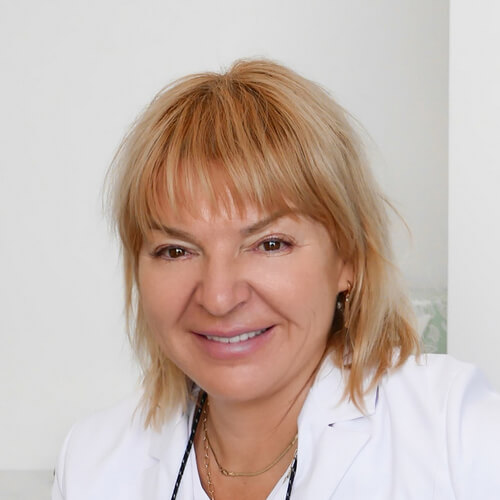
Dr. Irena Starchenko exemplifies these credentials and experience: trained both internationally and in the U.S., she holds degrees from Kharkiv National Medical University and the Herman Ostrow School of Dentistry at USC, and she maintains membership in the American Dental Association (ADA) and the Academy of General Dentistry (AGD). With over 30 years of clinical practice, Dr. Starchenko brings broad experience to family dentistry while staying engaged with professional standards. Considering credentials alongside bedside manner and service range helps families assess both skill and fit when choosing a provider.
Which Comprehensive Services Should the Best Family Dentist Offer in Encino?
A comprehensive family dentist should deliver preventive care, restorative dentistry, cosmetic treatments, and pediatric services so families get age-appropriate care without unnecessary referrals. Preventive care includes exams, cleanings, sealants, and fluoride; restorative care covers fillings, crowns, bridges, and implant planning; cosmetic services like whitening and veneers improve appearance while preserving health; and pediatric dentistry focuses on behavior guidance, developmental milestones, and preventive treatments. Emergency care and coordination with specialists round out a full-service family model.
| Service Category | Typical Procedures | Patient Benefit |
|---|---|---|
| Preventive Care | Exams, cleanings, sealants, fluoride | Reduces decay risk and builds healthy habits |
| Restorative Dentistry | Fillings, crowns, bridges, implant planning | Restores function and prevents further damage |
| Cosmetic Dentistry | Whitening, veneers, smile enhancements | Boosts confidence while keeping teeth healthy |
| Pediatric Dentistry | Behavior guidance, milestone exams, preventive treatments | Supports growth, reduces anxiety, prevents early decay |
This overview helps families decide which services are essential for their household. Next, we’ll look at specific treatment categories and when to choose each.
What Preventive, Restorative, and Cosmetic Treatments Are Available for Families?
Preventive treatments — cleanings, fluoride varnish, and sealants — form the foundation of family oral health and help avoid invasive procedures across ages. Restorative care such as composite fillings and crowns repair damaged teeth; when teeth are lost, bridges or implant planning preserve bite function and oral health. Cosmetic options like whitening and veneers can be combined responsibly with restorative work to improve appearance without sacrificing function. Watch for red flags — recurrent cavities, sensitivity, or shifting teeth — that suggest a comprehensive treatment plan is needed rather than purely cosmetic fixes.
Knowing these categories makes it easier to prioritize care and time treatment appropriately. The next section explains pediatric dentistry in more detail.
How Does Pediatric Dentistry Cater to Children’s Unique Needs?
Pediatric dentistry tailors communication, clinical technique, and preventive timing to each child’s developmental stage, using behavior guidance, positive reinforcement, and parent education to build cooperation and good habits. Important milestones include the first dental visit by the first tooth or first birthday, fluoride as indicated, and sealants on newly erupted permanent molars. Early orthodontic screening can reveal jaw or bite concerns, and age‑appropriate hygiene instruction lowers lifelong risk. Parents benefit from pre-visit tips and at-home routines that prepare kids emotionally and practically for dental care.
These child-focused strategies support long-term oral health and reduce the need for complex interventions later; they should be available at any reliable family dental practice in Encino.
How Does Modern Technology Enhance Family Dental Care at Dental Line Encino?
Modern dental technology sharpens diagnosis, shortens treatment time, and increases comfort — all important for busy families. Digital X‑rays reduce radiation and speed up image review; intraoral scanners create accurate digital impressions without messy molds; and 3D CBCT imaging aids precise implant and surgical planning. Ultrasonic scalers and CAD/CAM same‑day crown workflows reduce chair time and repeat visits, which families appreciate. These tools also help with patient education by clearly showing problems and proposed treatments.
At Dental Line, we use modern diagnostics and treatment technology to make appointments more efficient and communication clearer. Below we describe the specific diagnostic tools that make a practical difference for families.
What Advanced Diagnostic Tools Improve Accuracy and Comfort?
Advanced diagnostics like digital X‑rays, CBCT 3D imaging, and intraoral scanners improve disease detection, support precise treatment planning, and reduce exploratory procedures. Digital imaging cuts radiation dose and provides immediate visuals for patient education; CBCT gives three‑dimensional detail essential for implants and complex cases; and intraoral scanners capture accurate digital impressions for restorations and orthodontic planning, eliminating uncomfortable impression materials and speeding turnaround. Together, these technologies mean fewer visits and more predictable results.
Fewer appointments and clearer diagnoses suit family schedules and increase confidence in recommended care. Next, we’ll look at how the office environment complements technology to improve the patient experience.
How Does a Child-Friendly and Comfortable Office Environment Benefit Patients?
A child-friendly, comfortable office — calm waiting areas, staff trained in pediatric behavior guidance, distraction tools, and clear pre-visit instructions — reduces anxiety and improves cooperation during visits. Thoughtful design and welcoming staff make first appointments easier and support regular care. For anxious patients, available sedation options plus compassionate communication help complete needed treatment. When a comfortable environment pairs with modern technology, visits become quicker, less stressful, and more productive for the whole family.
That combination — advanced tools plus patient-centered operations — is easy to verify by checking local reviews and reputation signals, which we’ll cover next.
How Can Patient Reviews and Local Reputation Help You Find the Best Family Dentist in Encino?
Patient reviews and local reputation offer social proof about consistent care, staff behavior, and family-friendly experiences that a website alone can’t fully show. Reviews mentioning children, appointment flow, staff kindness, and treatment outcomes give insight into daily practice life; consistent themes across platforms indicate reliability. Focus on recent reviews, notice how the practice responds, and give more weight to comments that reference specific services or outcomes. Check multiple platforms and look for detailed narratives to avoid over‑relying on single outlier ratings.
Use the checklist below to interpret reviews methodically and to weigh reputation alongside credentials and services when comparing dentists.
- Read recent reviews across several platforms to identify recurring themes about pediatric care and appointment experience.
- Prioritize reviews that describe specific services and outcomes instead of vague praise or complaints.
- See whether the practice responds professionally and promptly to feedback — that shows accountability and care.
Combine these qualitative signals with credentials and service breadth, then visit a practice’s public profiles to confirm what you read in reviews.
What Do Families Say About Their Experiences at Dental Line?
Families frequently praise gentleness, convenience, and comprehensive care when describing their dental home — themes that match what we offer at Dental Line. Led by Dr. Irena Starchenko, DDS, our practice focuses on personalized, modern, and affordable family dental care for patients of all ages in Encino and nearby neighborhoods. Many reviews highlight comfort for children, efficient scheduling, and the convenience of a full-service office. Check Dental Line’s Google Business Profile for current patient testimonials and ratings to see these themes reflected in recent feedback.
Reading what families report helps set reasonable expectations about care quality and experience; next we explain how to weigh online reviews when choosing a dentist.
How Do Online Reviews Influence Choosing a Family Dentist?
Online reviews shape perceptions of trust, expected experience, and competence — especially when they’re detailed, recent, and consistent across sources. People often relate most to stories similar to their situation, so prioritize reviews from families with comparable needs (for example, multiple children, anxiety management, or restorative work). Use a simple three-step approach: check recency, spot recurring praise or complaints, and evaluate how the practice engages with reviewers. This helps reduce bias from single ratings and reveals reliability over time.
Apply this method to local profiles to narrow your shortlist to practices that match both clinical needs and family expectations. Next we’ll cover the practical factors that often decide the final choice.
What Practical Factors Should You Consider When Choosing a Family Dentist in Encino?
Logistics — location, office hours, insurance acceptance, and scheduling flexibility — strongly affect whether families keep routine visits and follow through on treatment. Proximity and convenient hours lower the chance of missed appointments; insurance and payment options influence affordability; and easy scheduling (online booking or multi-member appointments) improves adherence. Compare these practical factors alongside clinical quality to ensure the dentist fits your daily life rather than creating barriers that lead to skipped care. Use the comparison table below to weigh these attributes quickly.
| Accessibility Factor | What to Check | Family Impact |
|---|---|---|
| Location | Proximity, parking, neighborhood access | Shorter commute makes visits more likely |
| Office Hours | Evening and weekend availability | Works with parents’ and kids’ schedules |
| Insurance Accepted | PPO participation, out-of-network policies | Affects out-of-pocket cost and choice |
| Scheduling Options | Online booking, multi-member appointment support | Simplifies coordinating family visits |
This table shows how practical attributes affect your family’s ability to maintain preventive care and timely treatment. The following sections expand on each logistical factor.
How Does Location and Office Hours Affect Your Family’s Dental Care?
Location and office hours influence how easily families can attend routine and urgent visits without disrupting school or work. Practices near your daily routes and with convenient parking reduce barriers to care. Evening and weekend hours are especially helpful for working parents, and accessible public transit or easy parking further removes friction. When judging commute time, factor in peak traffic and parking constraints to estimate real travel time. A conveniently located practice increases the chances of regular preventive visits and timely follow-up care.
Good access and flexible hours turn a quality clinician into a true family resource. Next, consider how insurance and payment options affect affordability.
What Insurance and Payment Options Make Family Dentistry Affordable?
Insurance acceptance and clear payment options determine whether families can realistically afford recommended care. Confirm which PPO networks the practice participates in and whether they offer out‑of‑network billing or estimates for common procedures. Ask about in-office payment plans or third‑party financing if needed. Verifying coverage ahead of time prevents surprise balances and allows you to plan phased care. Transparent financial policies and staff who explain costs clearly reduce stress and increase treatment acceptance.
Understanding payment logistics helps you plan treatment timelines and prioritize preventive visits that lower long-term costs; scheduling strategies then make care easier to receive.
How Can You Easily Schedule Appointments for Your Family?
Smooth scheduling reduces administrative friction and helps families keep regular care on the calendar. Look for online booking, responsive phone support, and the ability to book multiple family members for the same visit. When you schedule, have insurance details ready, identify the right provider for each family member, and pick time slots that fit school or work breaks. Bundling preventive visits for siblings saves parental time and keeps care consistent. Clear pre-visit instructions and appointment reminders also lower no-shows and help children arrive prepared.
Following these scheduling tips increases appointment adherence and improves continuity of care, completing the practical checklist families should use to choose a dependable family dentist in Encino.
How to use this guide: prioritize the qualities and services that matter most to your household, verify provider credentials and local reputation, and confirm logistical fit before booking a first appointment. Combining clinical criteria, technology, patient reviews, and practical logistics will help your family find a trusted dentist who provides comprehensive, age‑appropriate care for years to come.
Frequently Asked Questions
What should I consider when evaluating a family dentist’s office environment?
Look for cleanliness, comfort, and child-friendly touches. A calm waiting area, comfortable seating, and small distractions for kids can ease anxiety for the whole family. Pay attention to staff warmth and patience — trained, friendly personnel make visits smoother. A well‑run office with reasonable wait times and clear explanations of procedures also improves the overall experience and encourages regular visits.
How can I prepare my child for their first dental visit?
Prepare your child with simple, reassuring language about what will happen and why the dentist helps keep teeth healthy. Role‑playing the visit with a toy or reading a children’s book about the dentist can make the experience familiar and less scary. Schedule the appointment when your child is rested and in a good mood, and follow any pre‑visit guidance from the office to help the appointment go smoothly.
What are the benefits of preventive dental care for families?
Preventive care helps detect issues early, lowers cavity risk, and reduces long-term treatment costs. Regular check-ups and cleanings remove plaque and tartar before they cause problems, while preventive visits teach children healthy habits that last a lifetime. Prioritizing prevention often means avoiding more invasive, costly procedures later on.
How can I find a family dentist that accepts my insurance?
Start with your insurance provider’s list of in‑network dentists, then call offices to confirm participation and ask about co‑pays and deductibles. Many practices also offer out‑of‑network billing, payment plans, or third‑party financing — ask the practice’s office staff for estimates on common procedures. Reading online reviews and getting recommendations from friends can help you find a reputable dentist who works with your plan.
What role does technology play in modern family dentistry?
Technology improves diagnosis, speeds treatment, and increases comfort. Digital X‑rays reduce radiation and deliver instant images; intraoral scanners eliminate messy impressions; same‑day crowns and laser tools can shorten or simplify procedures. Overall, technology makes visits more efficient and less stressful while improving clinical outcomes.
How can I ensure my family dentist is up-to-date with the latest practices?
Look for signs of continuing education and professional involvement — memberships in respected dental associations, mentions of recent training, or use of modern technologies. Ask the dentist about the techniques and tools they use, and read patient reviews that reference modern treatments. A practice that talks openly about advancements is likely committed to providing current, high‑quality care.
Conclusion
Choosing the right family dentist in Encino means finding a partner who delivers comprehensive, age‑appropriate care and helps your family build lifelong oral health. Focus on experience, a gentle approach, and a full range of services, and verify local reputation and logistical fit before you book. When you find the right practice, routine care becomes easier and more effective — schedule your first appointment and take the next step toward a healthier smile for everyone in your household.