
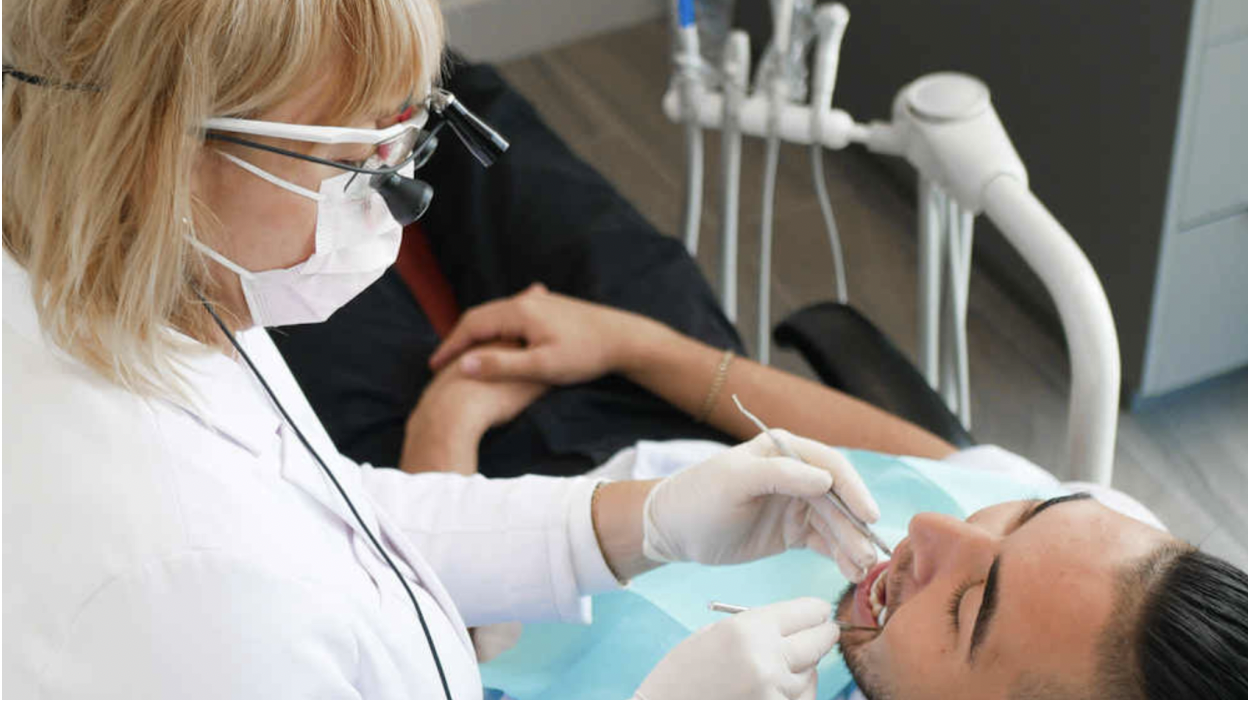

Dental implants have changed how we treat missing teeth — they offer a long-term, natural-looking solution. This guide walks you through what implants do, the benefits, the step-by-step process, and who makes a good candidate. If missing teeth have left you uncomfortable or self-conscious, implants can restore function and confidence. Below we explain what implants are, how we evaluate patients at Dental Line, the implant options we offer, expected costs, and why patients choose Dr. Irena Starchenko and our Encino practice.
What Are Dental Implants and How Do They Replace Missing Teeth?
Dental implants are man-made tooth roots, usually titanium, placed into the jawbone to support replacement teeth or bridges. Over time the implant bonds with the bone in a process called osseointegration, giving a steady base for the visible tooth. Implants restore chewing and speak naturally, and because they look like real teeth, they’re a popular long-term choice for replacing one or more missing teeth.
What Are the Components of a Dental Implant?
A typical dental implant has three parts: the implant post, the abutment, and the crown. The implant post is placed into the jaw and acts like a tooth root. The abutment connects the post to the crown. The crown is the visible, tooth-shaped restoration that matches your smile. Together these parts create a durable, functional replacement that looks and works like a natural tooth.
Research continues to show how these components work together to deliver both functional and cosmetic success.
Dental Implants: Functional & Aesthetic Tooth Replacement
Dental implants are a mainstream treatment for replacing missing teeth, addressing both function and appearance. Newer workflows — including CAD/CAM design and manufacturing — improve fit and aesthetics. This systematic review compared CAD/CAM zirconia implant abutments with other abutment types, focusing on peri-implant health and visual outcomes.
Relation of CAD/CAM zirconia dental implant abutments with periodontal health and final aesthetic aspects; A systematic review, 2023
How Do Dental Implants Preserve Jawbone Health?
Implants help keep the jawbone healthy by restoring the stimulation that a natural tooth root provides. Without that stimulation, bone can shrink over time. By integrating with the bone, implants encourage maintenance of bone volume and help preserve the natural shape of the face — reducing the sunken look that can follow tooth loss.
Osseointegration — the bonding of implant and bone — is essential for long-term stability and success.
Osseointegration & Implant Surface Modifications
While the exact biological details of faster osseointegration are still being studied, research highlights how implant surface treatments influence bone response and integration.
Osseointegration of titanium, titanium alloy and zirconia dental implants: current knowledge and open questions, V Chappuis, 2000
Who Is a Good Candidate for Dental Implants in Encino?
Not everyone is immediately ready for implants. Ideal candidates usually have healthy gums, adequate bone, and a commitment to daily oral care. Factors like age, overall health, and specific dental conditions can affect whether implants are the right choice.
What Oral Health Conditions Affect Implant Eligibility?
Certain conditions can limit implant success. Active gum disease, significant bone loss, or untreated decay need attention before implant treatment. Addressing these issues first improves the chance of a predictable, lasting result.
How Does Dental Line Evaluate Candidates for Implants?
At Dental Line, we start with a thorough consultation. Dr. Irena Starchenko performs a complete exam and uses diagnostic imaging to check oral health and bone structure. That lets us recommend the right plan — whether implants are a direct option or if preparatory work is needed.
What Is the Dental Implant Procedure at Dental Line?
The implant process at Dental Line follows clear, careful steps to deliver the best outcome.
How Does Advanced Technology Enhance Implant Planning?
We use digital X-rays, intraoral cameras, and computer-aided design tools to evaluate your mouth and plan restorations precisely. These technologies help us visualize outcomes, position implants accurately, and design crowns that fit and look natural — all tailored to your needs.
What Are the Stages of the Implant Procedure?
The typical stages include an initial consultation, surgical placement of the implant, a healing phase for osseointegration, and placement of the final crown. Each step is monitored to ensure proper healing and function before moving to the next stage.
What Types and Materials of Dental Implants Are Available in Encino?
Implants come in different designs and materials so we can match treatment to a patient’s anatomy and goals.
How Do All-On-4 and Mini Implants Differ from Traditional Implants?
All-On-4 is a solution for people missing most or all teeth — four well-placed implants can support a full arch, giving a fixed, stable result. Mini implants are narrower and useful when bone volume is limited or for temporary stabilization. Each option has benefits, and we’ll recommend the approach that best fits your situation.
Clinical evidence supports All-on-4 as an effective option for full-arch rehabilitation in many patients.
All-on-4 Dental Implants: Success & Longevity
The success and longevity of endosteal implants depend on mechanical design and careful treatment planning — including the number, position, and load distribution of implants. The All-on-4® concept offers a reliable alternative to conventional dentures for fully edentulous patients, with favorable outcomes reported in short- and long-term studies.
Prosthodontic perspective to all-on-4® concept for dental implants, 2014
What Are the Benefits of Titanium vs. Zirconia Implants?
Titanium implants are strong and well-supported by long-term research, making them a common choice for predictable osseointegration. Zirconia implants are ceramic and metal-free, offering a highly aesthetic option that can appeal to patients with metal sensitivities. The right material depends on your clinical needs and cosmetic goals.
How Much Do Dental Implants Cost in Encino and What Financing Options Exist?
Implant costs vary based on the number of implants, materials, and any additional procedures (like bone grafts). Complexity and the final restoration type also affect price.
What Influences the Price of Dental Implants?
Key cost drivers include how many implants you need, the material selected, and whether preparatory work (bone grafting, sinus lift) is required. While implants can be an investment upfront, their longevity and improved function often make them a cost-effective choice over time.
How Does Dental Line Support Affordable Implant Care?
Dental Line works to make implant care accessible. We accept many PPO dental plans and provide flexible payment options to help spread treatment costs. Our goal is to make sure financial concerns don’t stand between you and quality care.
Why Choose Dental Line and Dr. Irena Starchenko for Your Dental Implants in Encino?
Picking the right practice matters. Dental Line combines experience, modern technology, and a patient-first approach to deliver predictable implant outcomes with personal care.
What Experience and Credentials Does Dr. Starchenko Bring?
Dr. Irena Starchenko is a licensed general dentist with more than 30 years of clinical experience. A USC graduate, she is an active member of the American Dental Association (ADA) and the Academy of General Dentistry (AGD). Her background ensures patients receive proven, individualized care.
How Does Dental Line Ensure Patient Comfort and Success?
We prioritize comfort and clear communication. We offer flexible appointment scheduling and practical steps to reduce anxiety before your visit. At your first appointment, a dental assistant captures digital X-rays while Dr. Starchenko performs a careful exam, listens to your concerns, and outlines a clear plan — so you feel informed and supported from day one.
| Financing Option | Description | Benefits |
|---|---|---|
| Insurance Coverage | Many PPO plans contribute toward implant-related services | Lowers your immediate out-of-pocket cost |
| Payment Plans | Flexible in-house or third-party payment arrangements | Spreads the cost into manageable payments |
| CareCredit | Dedicated healthcare financing option | Allows predictable monthly payments |
The options above illustrate common ways we help patients afford implant care so treatment can move forward without undue financial stress.
Dental implants are a major step forward in restorative dentistry, delivering reliable function and natural-looking results. With Dr. Starchenko’s experience and Dental Line’s patient-focused approach, people in Encino can confidently explore permanent tooth replacement.
Frequently Asked Questions
What is the recovery time after getting dental implants?
Recovery varies, but most implants need about 3 to 6 months to fully integrate with the jawbone. During that time you may have some swelling or soreness, which is usually manageable with prescribed or over-the-counter pain relief. Regular follow-ups let us monitor healing and confirm stability before placing the final crown. Following post-op instructions helps speed recovery and promote success.
Are dental implants painful?
Most patients experience only mild discomfort. Local anesthesia is used during surgery, so you shouldn’t feel pain during the procedure. Any post-op soreness is typically controllable with pain medication and resolves quickly. Pain levels differ by person and procedure complexity, but many patients say it’s less uncomfortable than they expected.
How long do dental implants last?
With good daily care and regular dental visits, implants can last 10–15 years or longer — often for life. Longevity depends on oral hygiene, professional maintenance, and lifestyle factors like smoking. Routine check-ups help catch issues early and protect your investment.
Can anyone get dental implants?
Many people qualify for implants, but certain conditions can affect eligibility. Active gum disease, low bone volume, or some chronic health issues may require treatment or additional procedures (for example, bone grafting) before implants are placed. A full clinical evaluation determines the best path for each patient.
What are the risks associated with dental implants?
As with any surgery, implants carry risks such as infection, nerve irritation, or sinus complications when placed near the sinus. These complications are uncommon, especially when care is provided by experienced clinicians. We’ll discuss potential risks and how we minimize them so you can make an informed decision.
How do I care for my dental implants?
Caring for implants is much like caring for natural teeth: brush twice daily, floss daily, and attend regular dental cleanings. Avoid tobacco and keep a balanced diet to support oral health. If you notice uncommon symptoms like persistent pain or swelling, contact us promptly for evaluation.
Conclusion
Dental implants offer a reliable, natural-looking way to replace missing teeth while supporting jaw health and restoring confidence. If you’re considering implants, our team at Dental Line is here to help you explore options and build a treatment plan that fits your needs. Schedule a consultation to take the first step toward a healthy, confident smile.