
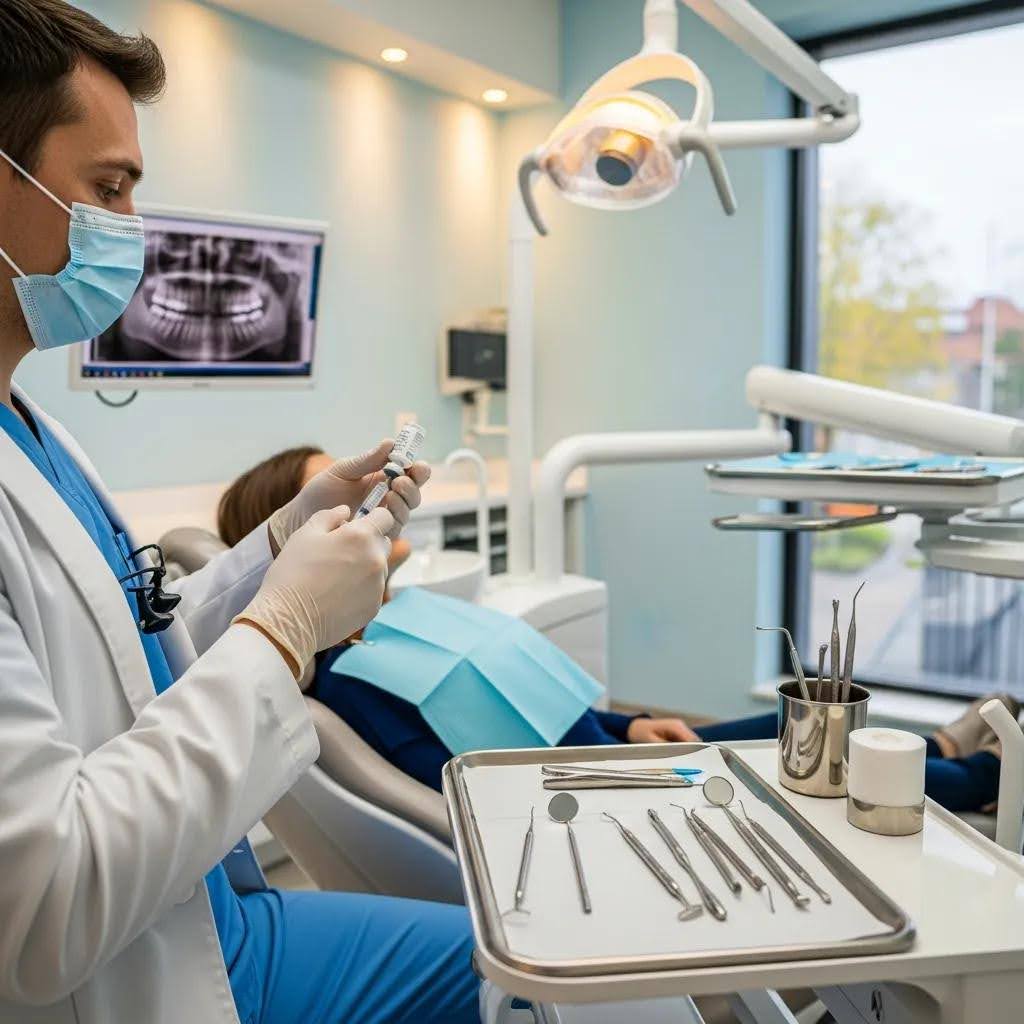

Local anesthesia — the numbing used in most dental visits — temporarily blocks nerve signals in a focused area so dental work doesn’t hurt. How long that numb feeling lasts depends on the medicine used, how much was given, and where the injection was placed. Knowing typical timelines helps you plan meals, driving, and childcare after a visit, and it eases worry by setting reasonable expectations. This guide covers what dental numbing is, compares common medicines like lidocaine, articaine, and bupivacaine, explains the main factors that change duration, and offers practical aftercare tips plus warning signs to watch for. You’ll find typical timelines for common procedures, safe-eating advice while numb, and clear guidance on when to contact your dental team. Dental Line prioritizes patient comfort and straightforward communication — if you have questions about anesthesia or recovery, our Encino practice can help. Call (747) 265-6179 to schedule or discuss any post-treatment concerns. The sections below move from how numbing works to practical tips, drug comparisons, and when to seek care.
What is dental numbing, and why do dentists use it?
Dental numbing is a targeted drug effect that stops nerves in a small area from sending pain signals to the brain. In practice, that lets dentists perform restorative and surgical care without causing pain, which improves precision and helps patients stay calm. The immediate benefit is pain control during injections, fillings, extractions, and other procedures; the result is safer, faster, and more comfortable care. Modern dental teams pair local anesthesia with patient monitoring and comfort measures to reduce stress and optimize outcomes. Understanding this basic idea also prepares you to compare anesthetic options and anticipate how long numbness will last after different procedures.
A basic understanding of anesthetic pharmacology makes it easier to see why different drugs behave the way they do.
Clinical Pharmacology of Dental Local Anesthetics
A concise overview of the drugs used today for local anesthesia in dentistry, including formulations and key pharmacologic considerations.
Local anesthetics: pharmacology and toxicity, PA Moore, 2010
What is local anesthesia in dentistry?
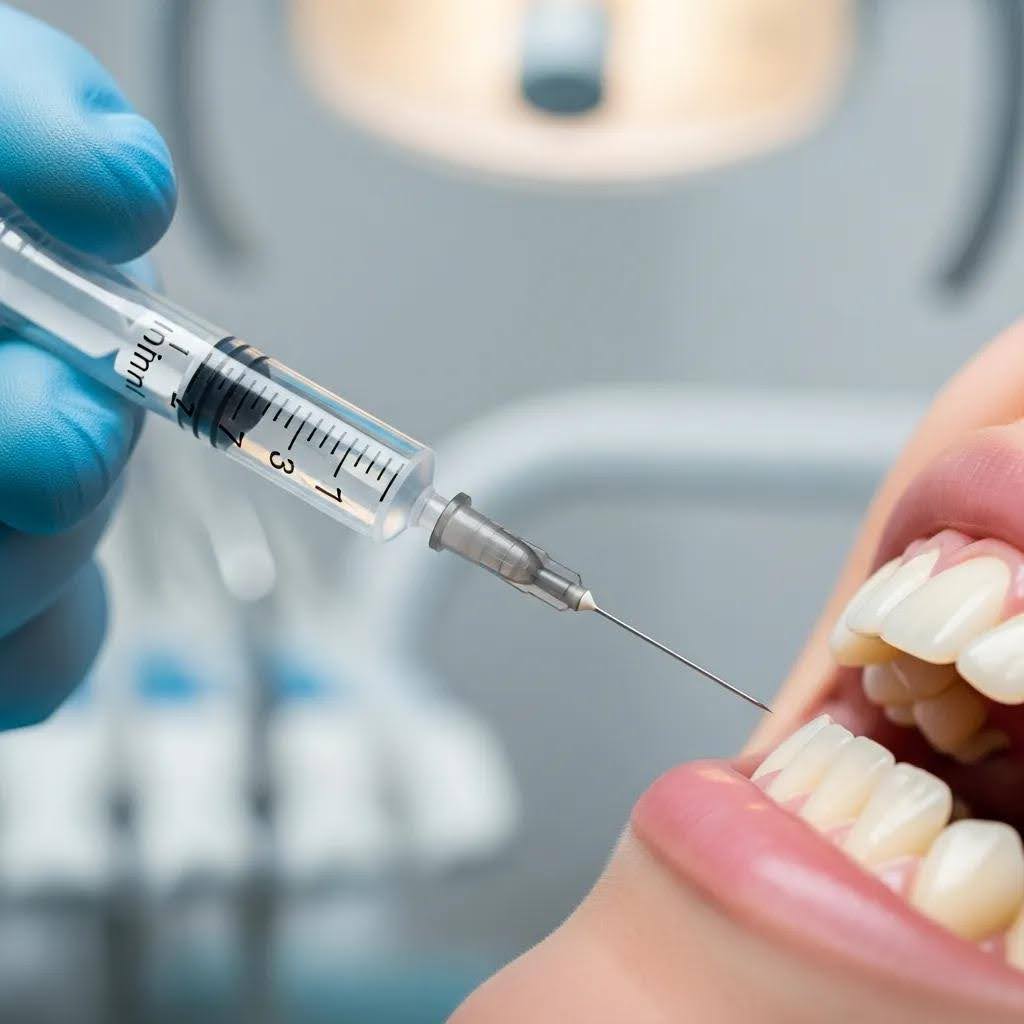
In dentistry, local anesthesia means delivering medication—usually by injection—to a specific area to temporarily stop nerve fibers from sending pain signals. These drugs block voltage-gated sodium channels on nerve membranes, which prevents nerves from firing; in plain terms, the “wiring” in that spot is put on pause. Delivery methods include infiltrations (near a tooth), nerve blocks (near a larger nerve), and topical agents for surface numbing. That’s why a mandibular block can feel different and often last longer than a maxillary infiltration — the technique and anatomy change onset and duration.
Why do dentists choose local anesthetics?
Local anesthetics let clinicians control pain, work precisely, and reduce patient movement that could affect safety. Predictable numbness makes everything from small fillings to complex extractions easier and less stressful. When combined with vasoconstrictors, anesthetics may also reduce bleeding and improve surgical conditions. For patients, good anesthesia lowers anxiety and improves cooperation — especially helpful for children or nervous adults — and it supports better long-term dental health by making necessary treatments comfortable. Dentists also consider safety factors like dosing limits, allergies, and medical history to minimize risks and tailor care.
With those goals in mind, a common next question is which anesthetic gives the fastest numbness and which one lasts the longest. We compare those choices next.
Which anesthetics affect how long numbness lasts?
Anesthetic drugs differ in how quickly they start working, how long they last, and the situations where they’re most useful. Choosing one depends on the expected procedure length and whether you’ll need extra pain control afterward. The table below summarizes onset, usual duration (when a vasoconstrictor is used), and typical uses so you can see how pharmacologic properties translate into real-world numbness and comfort.
Quick introduction to common agents and what to expect:
| Anesthetic | Typical Onset | Typical Duration (with Vasoconstrictor) | Common Uses / Notes |
|---|---|---|---|
| Lidocaine | 2–5 minutes | 1–2 hours | Reliable and versatile for fillings and extractions; commonly combined with epinephrine to prolong anesthetic effect |
| Articaine (Septocaine) | 1–3 minutes | 2–4 hours | Rapid diffusion makes it effective for infiltrations and single-tooth anesthesia |
| Bupivacaine (Marcaine) | 3–10 minutes | 4–9 hours | Long-acting anesthetic suited for extended procedures or enhanced post-operative pain control |
That comparison shows lidocaine as a reliable all-purpose choice, articaine for quick, effective infiltrations, and bupivacaine when extended numbness is desired.
How long does lidocaine usually last?
When used with a vasoconstrictor such as epinephrine, lidocaine usually begins working within a few minutes and produces numbness that lasts about one to two hours for most dental injections. Without a vasoconstrictor, duration is often shorter — closer to 30–60 minutes — because the drug is cleared faster by blood flow. Clinically, lidocaine is a workhorse for routine fillings, simple extractions, and the early stages of root canal therapy because it balances rapid onset with moderate duration. Expect sensation to return gradually; plan soft foods and avoid hot drinks for the first one to two hours to prevent accidental burns or bites.
The addition of a vasoconstrictor is a common way to improve anesthetic quality and extend its effect.
Improving dental anesthesia with vasoconstrictors
Adding a vasoconstrictor reduces local blood flow, which typically lowers peak plasma levels and increases the duration and quality of anesthesia.
Vasoconstrictors and local anesthesia: a review and rationale for use, 1983
What do articaine and bupivacaine feel like?
Articaine tends to act fast and give an intermediate length of numbness — commonly two to four hours — and its chemistry helps it diffuse well through tissues, making it handy for infiltrations and single-tooth work. Bupivacaine works more slowly to start but lasts much longer, often four to nine hours, and can provide helpful postoperative pain relief after surgical extractions or longer procedures. The choice between them balances whether we want quicker return of normal feeling or extended immediate pain control; safety always factors in, including dose limits and the patient’s medical background.
What affects how long dental numbness lasts?
Beyond the specific drug, several factors shape how long numbness continues: the dose, injection technique (infiltration versus nerve block), use of vasoconstrictors, individual metabolism, age, and other medications. These elements interact — for example, a larger dose plus epinephrine generally prolongs numbness, while faster metabolic clearance or certain liver conditions can shorten it. Mapping these relationships helps you and your clinician predict likely ranges and pick the best approach for your procedure.
How main factors typically change duration:
| Factor | How It Affects Duration | Typical Effect / Example |
|---|---|---|
| Dosage | Larger doses generally extend anesthetic duration | Increased drug exposure results in longer nerve blockade |
| Injection Site | Nerve blocks typically last longer than infiltrations | Mandibular nerve blocks often outlast maxillary infiltrations |
| Vasoconstrictor (e.g., Epinephrine) | Reduced local blood flow slows anesthetic absorption | Prolongs numbness by delaying systemic clearance |
| Metabolism & Overall Health | Faster metabolism shortens duration; hepatic conditions may prolong effect | Medications or liver disease can alter how quickly the anesthetic is cleared |
These technical and biological factors mean anesthesia planning is both science and individualized care.
How do dose and injection site change numbness time?
Dose and location determine how much anesthetic reaches target nerves and how fast the body clears it — both directly affect onset and how long numbness lasts. For example, an inferior alveolar nerve block in the lower jaw targets a main nerve trunk and generally produces broader, longer-lasting numbness, while a maxillary infiltration delivers drug into spongy bone where it may diffuse and be cleared sooner. Adding a vasoconstrictor like epinephrine slows systemic absorption, extending the local effect and reducing the need for repeat injections. That’s why a single lower-jaw block can be sufficient for a lengthy extraction, while an upper-jaw filling may wear off sooner.
Research consistently shows that vasoconstrictors both prolong anesthesia and improve operating conditions.
Vasoconstrictors prolong local anesthesia
Adding a vasoconstrictor to a local anesthetic can reduce peak plasma concentrations, improve anesthesia quality and duration, lower required anesthetic concentration, and reduce bleeding during procedures.
Vasoconstrictors in local anesthesia for dentistry, 1992
How do procedure type and individual metabolism affect duration?
The type of procedure affects how much and how long anesthesia is needed — simple fillings usually require short infiltrations, while surgical extractions or multiple restorations may need longer-acting blocks or drugs like bupivacaine for postoperative comfort. Individual metabolism matters too: liver enzyme activity and other medications can speed up or slow drug breakdown, altering duration. Children and older adults process drugs differently, so doses and monitoring are adjusted accordingly. Considering both the planned treatment and patient-specific factors helps ensure safe, predictable anesthesia.
What’s a typical timeline for numbness after dental work?
Most local anesthetics follow a familiar pattern: quick onset, a period of peak numbness while the procedure happens, gradual return of feeling, and sometimes residual tingling or altered sensation as nerves recover. Exact hours depend on the agent: lidocaine often wears off in one to two hours, articaine in two to four hours, and bupivacaine can last four to nine hours. Knowing these phases helps you plan meals, driving, and childcare, and reduces worry about normal sensations as anesthesia fades. Below is a compact timeline to set expectations.
Typical phases after a dental injection:
- Immediate: Numbness begins within 1–10 minutes, depending on the drug and injection type.
- 30–60 minutes: Peak numbness while most procedures are performed.
- 1–2 hours: Many lidocaine injections resolve in this window.
- 2–4 hours: Common range for articaine to wear off.
- 4–9 hours: Bupivacaine or multiple blocks can extend numbness into this period.
Use this timeline to plan safe activities and recognize when sensations fall outside expected windows.
Is there a difference between upper and lower jaw numbness?
Yes. Maxillary (upper) infiltrations generally start faster but often wear off sooner because the upper jaw’s bone is less dense and allows quicker diffusion and vascular uptake. Mandibular (lower) nerve blocks target a larger nerve trunk in denser bone, so onset can be a bit slower but the effect usually covers more tissues and lasts longer. In practice, an upper molar filling may feel numb for a shorter time than a similar procedure on a lower molar, so plan eating and activities with that in mind.
What sensations are normal as numbness wears off?
As the anesthetic fades you may notice tingling, pins-and-needles, mild pressure, or temporary weakness in affected muscles; some people report brief taste changes or an odd metallic taste. These feelings usually resolve gradually over minutes to hours. Warning signs include new or worsening severe pain, numbness that persists beyond the expected timeframe for the drug used, facial droop, or other signs of systemic reaction — these should prompt contact with your dentist. Knowing the difference between normal recovery sensations and concerning symptoms helps you respond appropriately after treatment.
How can patients manage numbness after dental procedures?
Managing post-treatment numbness is mostly about staying safe and comfortable while sensation returns. Wait until lips and tongue feel normal before eating hot or firm foods, choose soft, easy-to-chew items, and watch children closely so they don’t accidentally bite themselves. Cool compresses can ease soft-tissue soreness, and gentle movement of the jaw and lips can stimulate circulation without stressing the surgical site. Over-the-counter pain relievers commonly help as numbness wears off; if pain is severe or lasts longer than expected, call your dental team. Below are focused tips for eating and avoiding accidental injury while numb.
Safe eating and drinking while numb:
- Wait for clear sensation: Only eat hot foods or drink warm beverages once your lips and tongue feel normal again.
- Choose soft options: Yogurt, applesauce, mashed potatoes, smoothies, and lukewarm soups are good choices.
- Avoid crunchy or sticky foods: Hard chips, nuts, and sticky candy increase the chance of accidental biting or injury.
Following these steps reduces the risk of burns and tissue injury while feeling returns.
How to avoid accidental injury while numb:
- Keep lips closed while chewing: This lowers the chance of biting your cheek or lip.
- Use utensils, not fingers: Don’t put objects in your mouth that might cause harm.
- Supervise children closely: Kids may not understand numbness and need guidance to avoid biting their cheeks or tongues.
Preparing soft foods ahead of time and following these precautions makes the immediate recovery period safer. If you’re anxious about a longer procedure, Dental Line offers comfort options — including sedation choices — to help you feel relaxed during treatment.
Our commitment to comfort and clear communication is led by Dr. Irena Starchenko, who ensures each patient receives thoughtful, personalized care.
When should you contact your dentist about prolonged numbness?
Call your dentist if numbness lasts well beyond the expected window for the anesthetic used, especially if it comes with new pain, swelling, fever, trouble breathing, or facial weakness. As a practical guide, numbness that persists beyond 6–8 hours for agents that usually wear off sooner — or beyond the expected duration for a long-acting drug like bupivacaine — merits advice or an exam. Early contact helps staff determine whether the reaction is normal, a transient nerve irritation, or a rare complication that needs in-person evaluation. The checklist below highlights red flags and time thresholds to guide you.
When to contact your dentist about unusual numbness:
- Numbness lasting beyond 6–8 hours for agents that typically dissipate sooner, or beyond the expected window for the specific drug used.
- New or worsening severe pain, swelling, or fever, which could signal infection or a hematoma.
- Difficulty breathing, swallowing, or facial droop, which are urgent symptoms needing immediate evaluation.
These signs help separate normal recovery from issues that need same-day attention or a prompt follow-up.
What are signs of prolonged or unusual numbness?
Look for persistent numbness beyond the drug’s expected duration, a sudden increase in pain or swelling at the treatment site, fever, or new neurologic changes such as facial droop or trouble moving facial muscles. Possible causes range from a prolonged anesthetic effect or hematoma to rare nerve injury or atypical drug reactions; a clinical exam can determine urgency and next steps. For immediate concerns like breathing difficulty or severe facial asymmetry, seek urgent care. For stable but persistent numbness, arrange prompt dental contact so we can evaluate and monitor healing. Early reporting helps us reassure you and address any problems quickly.
How does Dental Line support patients with numbing issues?
At Dental Line we focus on prompt triage, clear instructions, and timely clinical access when needed, with Dr. Irena Starchenko coordinating care for patients from Encino and nearby communities. When you call about prolonged or unusual numbness, our team gathers key details about timing, symptoms, and the procedure to decide whether phone guidance, an urgent appointment, or immediate referral is best. We use modern diagnostic tools and provide compassionate follow-up; for non-urgent concerns we often arrange same- or next-day clinical reviews to check healing and nerve function. If you notice concerning symptoms after anesthesia, call Dental Line at (747) 265-6179 and be ready to describe when the numbness started, how long it’s lasted, and any other symptoms so we can help quickly.
- Triage by phone: Our staff collect details and advise next steps.
- Urgent in-office exam: If necessary, we schedule a same-day clinical assessment.
- Follow-up and referral: If a specialist is needed, we coordinate appropriate care.
Our patient-first process is designed to give reassurance and timely treatment so you can recover with confidence and support.
Frequently asked questions
What should I do if I accidentally bite my cheek or tongue while numb?
If you bite your cheek or tongue while numb, rinse gently with warm salt water to clean the area and reduce infection risk. Avoid hard or crunchy foods until sensation returns. If you see significant swelling, ongoing pain, pus, or develop a fever, contact your dentist for advice. Keeping the area clean and watching for changes will help ensure proper healing.
Can I drive after receiving dental anesthesia?
It’s best to avoid driving immediately after dental anesthesia if you still feel numb or if you received sedation. Numbness can reduce coordination and reaction time, and sedatives further impair judgment and motor skills. Arrange a ride home or wait until you feel fully alert and sensation has returned before driving.
How can I tell if my numbness is lasting too long?
Monitor the expected duration for the anesthetic you received. For most local anesthetics, numbness that continues beyond about 6–8 hours may be cause for concern. Also watch for new pain, swelling, facial droop, or trouble moving your mouth. If any of these occur, contact your dentist right away for guidance.
Are there any risks associated with dental anesthesia?
Dental anesthesia is generally safe, but risks include allergic reactions, prolonged numbness, or rare nerve injury. Some people experience temporary side effects such as dizziness, headache, or taste changes. Always tell your dentist about allergies, medications, and medical conditions before receiving anesthesia so we can take appropriate precautions.
What should I avoid doing while I am still numb?
While numb, avoid hot foods and drinks, since you may not feel burns. Refrain from chewing hard or crunchy items to reduce the chance of biting your cheek or tongue. Avoid using straws, which can create suction-related injuries, and postpone activities that require full motor skills like driving or operating machinery until sensation returns.
How can I speed up the recovery from numbness after dental work?
Gently moving your jaw and lips can improve circulation and may help sensation return. Stay hydrated and choose soft foods for comfort. Avoid actions that risk injury while numb. If discomfort appears as anesthesia wears off, over-the-counter pain relievers often help, but follow your dentist’s recommendations for the best option based on your situation.
What should I do if I experience anxiety about dental procedures?
If dental visits make you anxious, tell your dentist beforehand. Many practices, including Dental Line, offer sedation and other comfort options to reduce stress during treatment. Techniques like deep breathing, guided visualization, or listening to calming music can help, too. Talking openly with your dental team lets us tailor the experience to your needs and make the visit as comfortable as possible.
Conclusion
Knowing how long dental numbing lasts helps you plan your day and recover safely. Understanding different anesthetics and the factors that influence their effects lets you and your dental team choose the best approach for your care. If you have questions about anesthesia or notice anything unusual after a visit, reach out to our team for personalized guidance. Explore our resources or contact us to make sure your recovery goes smoothly.