
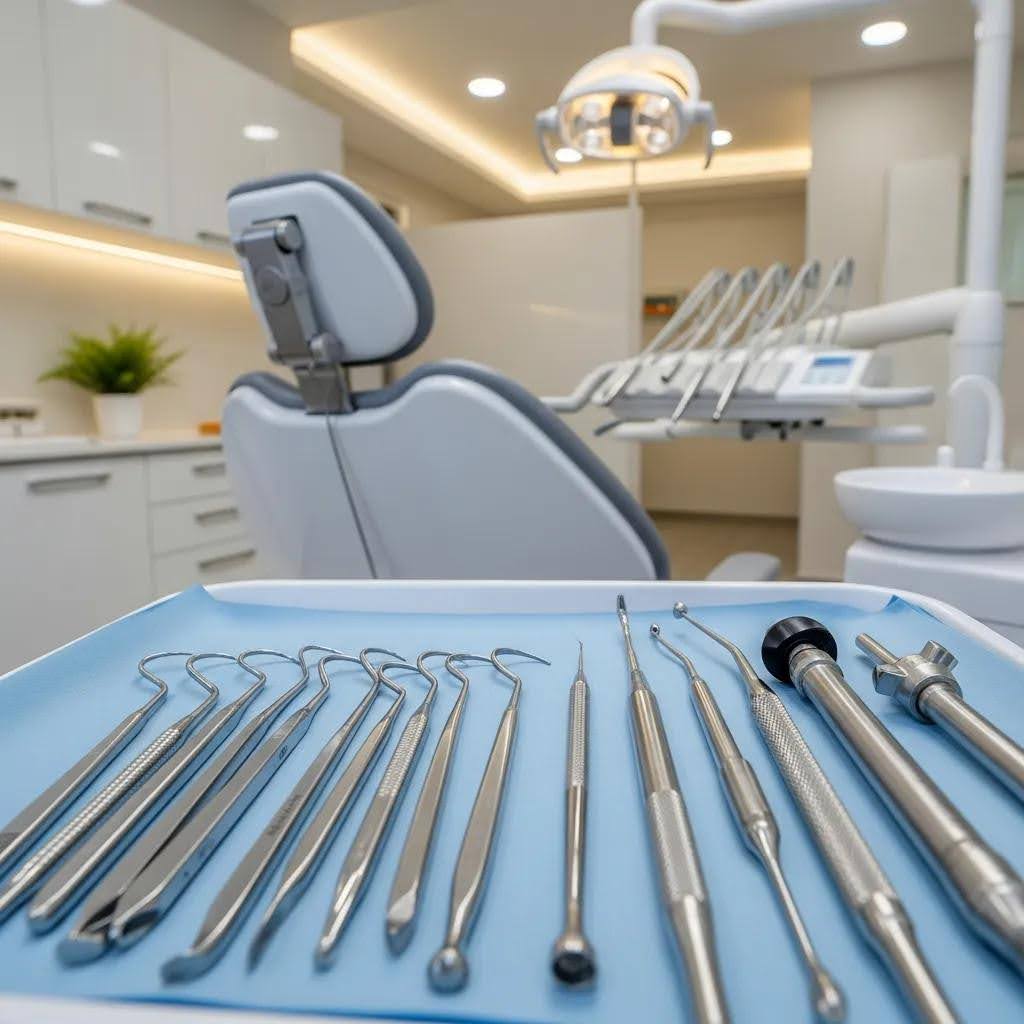

Tonsil stones (tonsilloliths) are small, hardened deposits that collect in the crevices of the tonsils and can cause bad breath, throat irritation, and visible white or yellow spots. In many cases a general dentist can evaluate and remove small, accessible stones during a routine visit, and can also advise you on prevention or whether ENT care is needed. This guide walks through what tonsil stones are, how they form, common symptoms, and the removal options dentists typically use. You’ll also find clear referral guidelines to ENT specialists, practical home-care tips, and what to expect if you choose to be evaluated in Encino. Throughout, we cover manual removal, irrigation, and when surgical approaches become appropriate, and explain how Dental Line assesses patients and coordinates referrals when necessary. By the end, you’ll know when a dentist can help, when to see an ENT, and how to arrange an evaluation at our Encino office.
A clinical review reinforces the definition of tonsil stones and notes that simple excision can be effective for symptomatic cases.
Tonsil Stones: Definition, Symptoms, and Removal
Tonsilloliths, also known as tonsil stones or tonsillar calculi are clusters of calcified material that form in crypts of palatine tonsil. They are usually of small size. Many tonsilloliths, especially small concretions, are asymptomatic; large concretions, on the contrary, may produce several symptoms. The tonsillolith was easily excised under local anaesthesia. The post-operative course was good with no recurrence.
Tonsillolith. Case report and review of the literature, M Mesolella, 2004
What Are Tonsil Stones and How Do They Affect Oral Health?
Tonsil stones are compacted clumps of debris, bacteria and minerals that lodge in tonsil crypts and can affect breath and throat comfort. They form when cells, mucus and food particles collect in the folds of the palatine tonsils and mineralize over time, creating firm nodules you may see or feel. The most common effects are persistent bad breath, throat soreness, intermittent coughing and occasional trouble swallowing — problems that can affect daily life and confidence. Knowing how stones form and appear helps you and your dentist choose between simple home care, in-office removal, or referral for specialist treatment when stones are deep, recurrent, or causing significant symptoms.
Understanding Tonsilloliths: Formation and Composition
Tonsilloliths begin when tonsil crypts trap dead cells, mucus, food particles and bacteria. Over time these materials calcify, creating deposits made largely of calcium salts and bacterial biofilm. Stagnant conditions in the crypts let anaerobic bacteria thrive and produce foul-smelling sulfur compounds that cause halitosis. Microscopically, stones show layers of organic material with a mineralized surface — which is why small, loose stones are often easy to dislodge while larger, embedded ones are tougher to remove. Factors like post-nasal drip, chronic tonsillitis and deep crypt anatomy make formation more likely and help explain when specialist care may be needed.
Research also highlights a clear link between tonsil stones and persistent bad breath, identifying stones as a predictable factor in abnormal halitometry.
Tonsil Stones & Bad Breath: The Halitosis Connection
The presence of a tonsillolith represents a tenfold increased risk of abnormal VSC halitometry and can be considered as a predictable factor for abnormal halitometry in patients with CCT.
Relationship between the presence of tonsilloliths and halitosis in patients with chronic caseous tonsillitis, 2008
Common Symptoms and Signs of Tonsil Stones
Typical signs include persistent bad breath, visible white or yellow nodules on the tonsils, throat soreness and a sensation of something stuck when you swallow. Some people also feel referred ear pain or have a chronic cough from nearby irritation; larger or deeper stones can lead to recurring infections. On exam, a clinician may find small, hard nodules in the tonsillar crypts. If stones aren’t visible but symptoms persist, imaging or specialist evaluation may be recommended. Seek prompt care if you have severe pain, fever, recurrent infection, or breathing/swallowing difficulties.
Can a Dentist Remove Tonsil Stones? Procedures and Capabilities
Yes — often a general dentist can evaluate and remove small, accessible tonsil stones using conservative, in-office techniques, while recognizing when ENT referral is the safer choice. Dentists can inspect the throat, identify superficial stones and use controlled suction, blunt curettes or gentle irrigation to dislodge them with minimal tissue trauma. Important safety steps include managing the gag reflex, maintaining good visualization and avoiding forceful manipulation that could cause bleeding or infection. Topical numbing or mild sedation may be used for comfort. The table below compares typical removal options, their invasiveness and recovery to help you weigh next steps.
This highlights the important role dentists play in spotting tonsil stones — and in knowing when to involve an ENT when symptoms don’t point to a dental cause.
Dentist’s Role: Identifying Tonsil Stones & ENT Referral
presenting to the dentist with no discernible dental aetiology, tonsillolith is a possibility and referral to the ENT department.
Regonising Ear, Nose and Throat Conditions in the Dentist’s Chair, 2017
Removal methods differ in invasiveness, recovery and typical provider:
| Approach | Typical Invasiveness | Typical Recovery Time | Typical Provider |
|---|---|---|---|
| Manual Removal (Suction or Curette) | Low | Immediate; mild same-day soreness may occur | General dentist |
| Water Irrigation (Oral Irrigator) | Low to moderate | Same-day recovery with minimal discomfort | General dentist or patient (home use) |
| Laser Cryptolysis (Crypt Reduction) | Moderate | Several days to a few weeks | ENT specialist |
| Tonsillectomy (Surgical Removal of Tonsils) | High | 1–2 weeks with significant recovery period | ENT surgeon |
This comparison explains why many cases start with a dentist but may move to ENT care when procedures become more invasive or when stones keep coming back. The next section outlines common manual techniques and what you can expect during an office visit.
Manual Tonsil Stone Removal by General Dentists
Manual removal usually starts with a visual exam, then targeted suction or gentle curettage to remove stones while protecting tonsil tissue and patient comfort. Dentists use atraumatic techniques — controlled suction, blunt instruments and topical anesthetic when needed — to reduce gagging and avoid mucosal injury. This approach often gives immediate relief and fresher breath. In-office removal is most appropriate for loose, visible stones; deeply embedded stones are best left to an ENT. If stones recur or are linked to frequent infections, your dentist will discuss next steps and can arrange a referral.
When Dentists Refer to ENT Specialists for Tonsil Stone Treatment
We refer to ENT specialists when stones are large, deeply embedded, recurrent despite conservative care, or when they cause obstructive symptoms or frequent tonsillitis. Signs that warrant ENT evaluation include repeated recurrence, significant pain, swallowing or breathing obstruction, or failure of in-office methods to provide lasting relief. Dental Line coordinates referrals for patients who meet these criteria, streamlining communication between dentist and ENT to ensure timely specialist assessment. The table below shows common clinical indications and the usual provider for each scenario.
When care needs to escalate, matching the clinical sign to the right provider clarifies the next steps:
| Clinical Indication | Recommended Action | Typical Provider |
|---|---|---|
| Small, Visible Stones Causing Bad Breath | In-office manual removal combined with targeted oral hygiene measures | General dentist |
| Recurrent Stones Despite Conservative Care | Referral to an ENT specialist for procedural treatment options | ENT specialist |
| Large, Symptomatic, or Obstructive Stones | Specialist evaluation with consideration of surgical intervention | ENT surgeon |
| Recurrent Tonsillitis with Stones | ENT assessment with possible recommendation for tonsillectomy | ENT surgeon |
This framework helps set realistic expectations about when a dentist can treat tonsil stones and when ENT-level procedures are a better choice.
Causes and Risk Factors for Developing Tonsil Stones
Tonsil stones develop from a mix of anatomical, microbial and behavioral factors that allow debris to collect and calcify in tonsillar crypts. People with deep crypts, chronic tonsillitis or ongoing post-nasal drip are more likely to trap mucus, epithelial debris and bacteria that form the core of a stone. Poor oral hygiene and heavy bacterial biofilm raise the chance of mineral deposition, and factors like diet, smoking and sinus problems can further increase risk. Recognizing these contributors helps guide prevention and decisions about moving to procedural or specialist care when conservative steps fail.
Role of Oral Hygiene and Tonsil Crypts in Tonsil Stone Formation
Good oral hygiene lowers the bacterial load and biofilm that feed tonsil stone formation, while anatomical features such as deep crypts create pockets where debris can hide despite brushing. Daily habits — brushing, flossing and tongue cleaning — reduce the materials bacteria feed on and help limit volatile sulfur compound production, which cuts down on halitosis and the risk of calcification. For patients with structural predispositions or chronic sinus drainage, hygiene alone may not be enough; adjuncts like saltwater gargles or targeted, low-pressure irrigation can help dislodge debris. Knowing how anatomy and hygiene interact allows clinicians to set realistic expectations and recommend procedural options when stones recur.
Other Contributing Factors and Recurrence Risks
Beyond anatomy and hygiene, chronic sinusitis, post-nasal drip, smoking and certain dietary habits raise recurrence risk by increasing mucus or altering oral bacteria. Recurrent tonsillitis creates inflammation that encourages debris retention and calcification, so stones are more likely to return. While recurrence rates vary, clinical experience shows that without addressing underlying causes — such as persistent sinus drainage or deep crypts — many patients will see repeat stones and may eventually need ENT evaluation for a more definitive solution. The next section covers practical prevention and home-care measures to reduce both initial formation and recurrence.
Prevention and Home Care Tips for Managing Tonsil Stones
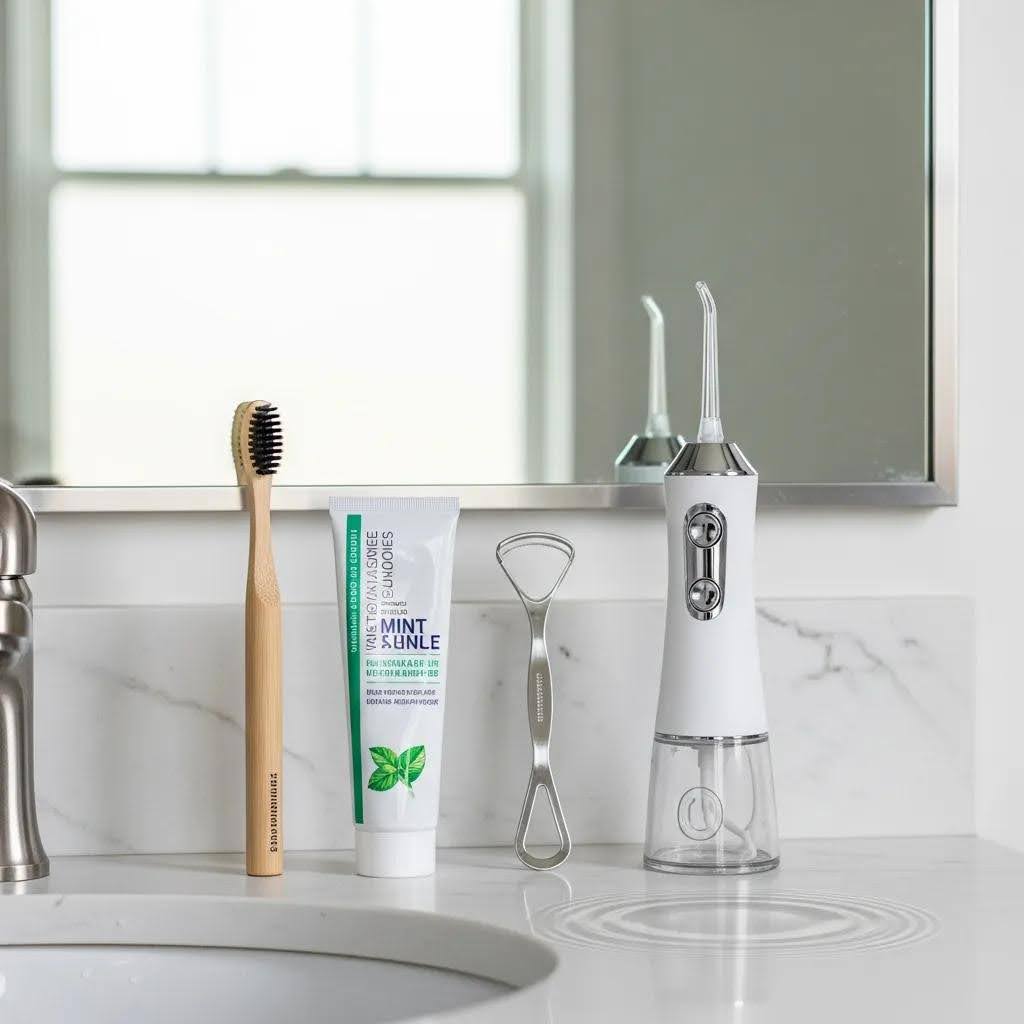
Prevention focuses on reducing debris, controlling oral bacteria and treating contributing sinus or mucus issues to lower the chance of stone formation and recurrence. Simple daily steps — regular brushing, flossing and tongue scraping — reduce bacterial biofilm. Saltwater gargles and gentle, low-pressure irrigation can flush crypts and dislodge small deposits before they calcify. Important: avoid probing the throat with sharp objects or aggressive techniques, which can cause bleeding or infection. Choose safe, conservative home care and seek professional evaluation when stones are painful, recurrent or don’t respond to self-care. Below are practical, evidence-aligned actions you can try at home.
Actionable prevention steps to reduce tonsil stone formation:
Practice comprehensive oral hygiene: Brush twice daily, floss and use a tongue scraper to lower bacterial load.
Gargle with warm saltwater : Regular saltwater rinses loosen debris and help reduce bacterial counts safely.
Use a low-pressure water flosser : Gentle irrigation can rinse tonsil crypts without causing tissue trauma.
Address sinus or allergy issues: Manage post-nasal drip with appropriate medical guidance to reduce mucus build-up.
Effective Oral Hygiene Practices to Prevent Tonsil Stone
Targeted oral care breaks up biofilm and prevents debris from collecting in tonsil crypts. Tongue scraping removes a major reservoir of anaerobic bacteria linked to bad breath and stone formation, while routine brushing and flossing limit plaque and food particles that can migrate upward. Saltwater gargles twice daily are a safe, low-cost way to loosen particles, and a low-pressure oral irrigator used correctly can help flush crypts without harm. If home measures don’t stop recurrence, professional assessment can determine whether procedural or specialist treatment is needed.
Home Remedies and When to Seek Professional Help
Home remedies such as saltwater gargles, gentle irrigation and close attention to oral hygiene can work well for small, non-painful tonsil stones. Avoid inserting sharp tools or using high-pressure devices in the throat — those approaches risk injury, bleeding or infection. See a clinician if you develop worsening pain, fever, repeated infections, or symptoms that don’t improve with conservative care. A professional exam can offer safe in-office removal, clarify the diagnosis and arrange ENT referral when stones are deep, numerous or tied to chronic tonsillitis. If self-care only gives temporary relief, scheduling an evaluation will help identify a more lasting solution.
Why Choose Dental Line for Tonsil Stone Diagnosis and Treatment in Encino
Dental Line in Encino provides a patient-centered approach to tonsil stone evaluation, conservative office management and coordinated ENT referrals when indicated. Led by Dr. Irena Starchenko, our team blends experienced, compassionate care with modern diagnostic methods — like digital imaging and a focused oral exam — to distinguish oral from tonsillar causes of bad breath and throat irritation. We emphasize family-friendly dentistry and accept most PPO plans, making evaluation accessible for local patients. Choosing a local practice that coordinates care and communicates clearly with specialists helps reduce delays and simplifies treatment plans for recurrent or complex cases.
At Dental Line we favor thoughtful evaluation and minimally invasive management as first steps, with seamless ENT referral when specialist procedures or surgery are the best option. Our patient-focused approach emphasizes comfort, clear explanations and shared decision-making so you understand the reasons for each treatment path and what follow-up will involve.
Dr. Irena Starchenko’s Expertise and Patient-Centered Care
Dr. Irena Starchenko leads the Dental Line clinical team and has experience evaluating oropharyngeal concerns in the dental setting, always prioritizing gentle technique and patient comfort. We use modern diagnostics to identify oral contributors to halitosis and tonsil stones and build a clear, personalized plan that respects your preferences. Our team explains procedures, discusses risks and benefits, and coordinates ENT referrals when appropriate — helping you get quick relief and long-term prevention.
Modern Technology and Comprehensive Oral Health Services
Dental Line uses up-to-date in-office tools that support accurate diagnosis and comfortable care, including digital imaging and ultrasonic instruments for hygiene and assessment. These technologies help us visualize the oropharynx, document findings and track treatment response, improving conservative management outcomes. As a family dental practice serving Encino and nearby communities, we integrate dental and oropharyngeal care, which is helpful when tonsil stones intersect with broader oral or sinus issues. Accepting most PPO plans and offering flexible payment options helps make care accessible for many families.
Beyond tonsil stone care, Dental Line offers a full range of dental treatments. We place a strong focus on
restorative dentistry to repair and enhance tooth function and appearance so patients can enjoy healthy, confident smiles.Among our restorative options, dental crowns are commonly used to restore strength and look after teeth that are damaged, decayed or treated with a root canal. These custom crowns cover the visible part of a tooth to protect it and improve shape, size and color.For patients missing one or more teeth, dental bridges offer a reliable way to fill gaps. Bridges are custom-made to match your natural teeth, restore your bite and help prevent remaining teeth from shifting.
How to Schedule a Consultation for Tonsil Stone Removal at Dental Line
Scheduling an evaluation at Dental Line is simple: you can call the practice to describe symptoms, confirm insurance coverage and book a convenient appointment at our Encino office. When you call, be ready to describe symptoms like breath odor, visible throat nodules, how often stones recur and any pain or infections — that helps our team prioritize diagnostic needs and set the right appointment length. During your visit, we’ll take a focused history, perform an oral and oropharyngeal exam, and discuss immediate in-office options versus referral. If ENT care is needed, Dental Line will coordinate the referral and share findings to keep your care seamless.
Booking Your Appointment in Encino
To book an evaluation, call the practice and share basic details about your symptoms and insurance so staff can arrange the appropriate appointment. Our office in Encino serves nearby neighborhoods, making in-person evaluation easy for local patients. When booking, mention whether stones are recurrent or if you’ve had recent infections so staff can set aside the right amount of time for your visit. Clear information at booking helps ensure we can offer immediate in-office management or prepare for a specialist referral if needed.
What to Expect During Your Tonsil Stone Evaluation
A typical evaluation at Dental Line starts with a short medical and dental history followed by a targeted oral and oropharyngeal exam to look for visible stones, inflamed tissue or other contributing issues. If a stone is accessible and small, your dentist may remove it in-office using gentle suction, curettage or irrigation with topical numbing for comfort; we’ll review aftercare and prevention before you leave. If stones are deep, recurrent or tied to significant infection, we’ll explain why an ENT referral is recommended and coordinate next steps to keep your care continuous. Follow-up usually includes hygiene advice, monitoring and reassessment to reduce recurrence and support long-term oral health.
Frequently Asked Questions
What are the long-term effects of untreated tonsil stones?
Untreated tonsil stones can cause ongoing discomfort, persistent bad breath and repeated throat infections. Larger stones may eventually cause significant pain or obstructive symptoms that affect swallowing or breathing. The presence of recurring stones can also lead to social anxiety because of halitosis. In some cases, untreated stones contribute to complications such as tonsillitis and may ultimately require surgical intervention, so timely evaluation is important.
Can tonsil stones cause other health issues?
Yes. Tonsil stones can worsen chronic bad breath, irritate the throat and contribute to repeated infections. In some people, the inflammation around stones can aggravate sleep-disordered breathing or make throat infections more likely. Large stones may interfere with eating or sleeping, lowering overall quality of life. Addressing stones early helps prevent these downstream issues.
Are there any dietary changes that can help prevent tonsil stones?
Certain habits can help. Staying well hydrated helps flush debris and bacteria from the throat. A balanced diet rich in fruits and vegetables supports oral health and can reduce bacterial load. Some people find cutting back on dairy helps, since dairy can thicken mucus for some individuals. Overall, good hydration and a healthy diet combined with solid oral hygiene support prevention.
How can I tell if I have tonsil stones?
Common signs include persistent bad breath, visible white or yellowish lumps on the tonsils, throat discomfort and a feeling of something lodged when you swallow. Ear pain or a chronic cough can also occur. If you suspect tonsil stones, a dentist or ENT can confirm the diagnosis and recommend appropriate treatment.
What should I do if I frequently get tonsil stones?
If stones recur often, see a healthcare professional for evaluation. We can assess possible causes and suggest treatments ranging from in-office removal to ENT referral for procedural options. Improving oral hygiene — regular brushing, flossing and tongue scraping — helps reduce recurrence, and discussing preventive steps with your dentist can identify targeted strategies for your situation.
Is it safe to remove tonsil stones at home?
Some people attempt home removal with saltwater gargles or gentle pressure using a cotton swab, but these techniques carry risk. Improper attempts can cause injury, bleeding or infection. For larger or embedded stones it’s safer to seek professional help. A dentist can remove stones safely and advise on prevention; if stones keep coming back, discuss longer-term options with your provider.
Conclusion
Knowing what a dentist can do for tonsil stones helps you get timely relief and avoid complications. Early evaluation often leads to straightforward, minimally invasive care — and when needed, Dental Line will coordinate ENT referral to ensure the best outcome. If tonsil stones are affecting your comfort or breath, schedule an evaluation at Dental Line in Encino so we can recommend the right, personalized plan for you. Contact us to take the next step toward better oral health.