

A full-service family dentist offers complete oral care aimed at preventing disease, restoring function, and improving smiles for every member of your household. This guide explains how preventive visits, restorative treatments, cosmetic options, kid-friendly care, and emergency dentistry work together to keep your family healthy while saving you time and stress. You’ll learn what happens at routine checkups and cleanings, when fillings, crowns, implants, or root canals are recommended, and how whitening or veneers can be tailored to your goals. We also walk through what to expect at pediatric exams, when early orthodontic screening helps, and practical steps for common dental emergencies. Local terms like family dentist Encino, pediatric dentistry Encino, dental checkups Encino, and dental implants Encino are used naturally to help nearby patients find the care they need.
What Preventive Dentistry Services Does Your Encino Family Dentist Offer?
Preventive dentistry focuses on stopping problems before they need more invasive treatment. We pair routine exams and professional cleanings with targeted fluoride, sealants, and clear patient education so issues are spotted early and enamel is strengthened. Preventive care is adjusted for age and individual risk — for example, fluoride and sealants for children, and oral cancer and periodontal screening for adults. The short list below summarizes the main preventive services and why they make visits faster and outcomes more predictable.
Core preventive services we commonly provide include:
- Dental checkups and cleanings: Comprehensive exams and hygienist visits remove plaque and tartar and catch problems early.
- Fluoride treatments: Topical fluoride strengthens enamel and lowers decay risk for kids and for adults with higher risk.
- Dental sealants: Protective coatings placed on molars to reduce chewing-surface cavities in children and teens.
- Oral cancer and periodontal screenings: Routine checks to spot tissue changes and gum disease that can affect overall health.
These preventive steps reduce the chance of complex restorative care and support long-term oral health — a straightforward approach that starts at your checkups and cleanings.
How Do Regular Dental Checkups and Cleanings Protect Your Oral Health?
Regular checkups combine a visual exam, targeted imaging, and professional hygiene to catch disease early when it’s easier to treat. During your visit we examine teeth and soft tissues, measure gum pockets, and review bite and wear patterns that can signal risk. Paired with digital X‑rays, these exams reveal cavities and bone changes that aren’t visible otherwise. Professional cleanings remove hardened deposits (tartar) that brushing can’t reach, lowering inflammation and slowing periodontal progression. We also provide personalized home-care tips and prevention plans to help you avoid future problems. This early-detection routine is why fluoride and sealants are used selectively based on each patient’s risk.
What Are the Benefits of Fluoride Treatments and Dental Sealants in Preventive Care?
Fluoride treatments and dental sealants work together to cut decay by strengthening enamel and protecting vulnerable chewing surfaces. Fluoride helps remineralize early lesions and makes enamel more resistant to acid. Sealants physically block grooves on molars where food and bacteria collect — together they significantly reduce occlusal cavities. Both are quick, minimally invasive, and especially effective for children and teens; adults with high decay risk may also benefit from topical fluoride. We determine candidacy through a routine risk assessment so prevention is personalized and invasive treatments are often avoided.
Typical preventive choices are made after a risk assessment and focus on measurable benefit:
| Preventive Service | Recommended Frequency | Patient Benefit |
|---|---|---|
| Dental checkup & cleaning | Every 3–12 months based on risk | Early detection; removal of plaque and tartar |
| Topical fluoride | At checkups for at-risk patients | Enamel remineralization; reduced decay risk |
| Dental sealants | Applied once on permanent molars after eruption | Protects chewing surfaces from cavities |
| Oral cancer screening | At each adult exam | Early detection of abnormal tissue for better outcomes |
Knowing these options makes it clearer which preventive steps we focus on during visits and sets expectations for restorative care when prevention isn’t enough.
Next, here’s a look at the restorative solutions available when decay or trauma require repair.
Which Restorative Dentistry Solutions Are Available at Your Encino Dentist?
Restorative dentistry repairs damage and replaces missing structures to restore comfort, function, and appearance — from conservative fillings to implants and fixed prosthetics. The right option — fillings, crowns, bridges, root canal therapy, implants, or dentures — depends on how much tooth structure is lost, your aesthetic goals, and long-term prognosis. Modern digital planning and updated materials help improve outcomes and streamline care. The table below compares common restorations so you can understand longevity, recovery, and typical timelines and make informed decisions with your dentist.
Common restorative options address different needs and priorities:
- Fillings: Repair small-to-moderate cavities and restore function using tooth-colored composites or other suitable materials.
- Crowns: Rebuild and protect teeth that are extensively damaged or cracked using porcelain, zirconia, or metal-based restorations.
- Bridges and implant restorations: Replace missing teeth with fixed solutions supported by neighboring teeth or implants for reliable function.
Below we describe how these restorations are typically completed and when implant-based solutions are a strong choice.
How Do Dental Fillings, Crowns, and Bridges Restore Damaged or Missing Teeth?
Fillings, crowns, and bridges all restore tooth integrity but differ in scope: fillings replace decayed material inside a tooth; crowns cap the visible portion to strengthen or rebuild structure; and bridges span gaps using neighboring teeth or implants for support. Fillings are usually tooth-colored composite that bonds to enamel and dentin, conserving structure and delivering an aesthetic result in one visit with local anesthesia. Crown treatment involves shaping the tooth, taking an impression or digital scan, and fabricating a restoration — either in a lab or with same-day milling — to restore strength and proper bite. Bridges replace one or more adjacent missing teeth when implants are not chosen, offering fixed function and improved chewing. Understanding these workflows helps you anticipate recovery, upkeep, and likely outcomes.
| Restoration | Material Options | Typical Indication |
|---|---|---|
| Dental Filling | Composite resin; amalgam in select situations | Repair of small-to-moderate cavities |
| Crown | Porcelain, zirconia, metal-ceramic blends | Protect and restore heavily damaged or fractured teeth |
| Bridge | Porcelain-fused-to-metal; implant-supported prosthesis | Replace one or more adjacent missing teeth |
This comparison clarifies when each restorative choice is appropriate and leads into the advantages of implants and root canal therapy.
What Are the Advantages of Dental Implants and Root Canal Therapy?
Dental implants replace a missing tooth root with a biocompatible post that supports a crown, helping preserve bone and offering long-term stability. Root canal therapy saves an infected tooth by removing infected pulp and sealing the canal. Implants help prevent bone loss at extraction sites, restore chewing efficiency close to a natural tooth, and can support single crowns, bridges, or full-arch restorations — typically through placement, healing, and final restoration steps. Root canal treatment preserves the natural tooth, relieves pain and infection, and has a high success rate when guided by modern diagnostics. Choosing between endodontic treatment and implant replacement depends on tooth structure, gum health, and personal preference; a restorative consultation will outline the best path for your situation.
After reviewing restorative choices, many patients consider cosmetic enhancements that complement function.
What Cosmetic Dental Treatments Can Enhance Your Smile in Encino?
Cosmetic dentistry improves the color, shape, and alignment of teeth to create a natural, confident smile using options such as professional whitening, porcelain veneers, and composite bonding. Your choice depends on how much change you want, desired longevity, and how conservative you prefer to be — bonding is quicker and less invasive, while veneers deliver longer-lasting aesthetic improvement. Cosmetic planning always balances appearance with function so restorations work with your bite and gum contours. The table below compares common cosmetic procedures by time and trade-offs to help you choose the best path for your goals and maintenance preferences.
Common cosmetic options and typical results include:
- Teeth whitening: Professionally supervised treatments to brighten natural teeth, available in-office or with custom take-home trays.
- Porcelain veneers: Thin ceramic shells that reshape teeth and correct color or minor alignment issues with durable, high-aesthetic results.
- Dental bonding: Fast composite sculpting to fix chips, small gaps, or minor discoloration in a single visit.
These options differ in invasiveness and lifespan, so understanding whitening safety and the veneer process helps set realistic expectations.
How Does Teeth Whitening Improve Smile Brightness Safely?
Teeth whitening lightens shade using peroxide-based agents that oxidize stain molecules in enamel and dentin. In-office whitening uses higher concentrations with professional isolation and optional light activation for faster results, while dentist-prescribed take-home trays provide gradual whitening with lower concentrations and convenience. Safety starts with an exam to rule out untreated cavities or sensitivity risks; we use desensitizing techniques and staged protocols to minimize discomfort. How long results last depends on habits like smoking and diet, and occasional touch-ups keep your smile bright. We’ll help you decide whether immediate in-office whitening or a slower at-home approach fits your needs.
What Are Porcelain Veneers and Dental Bonding for Smile Makeovers?
Porcelain veneers are thin ceramic restorations bonded to the front of teeth to correct shape, size, and color with long-lasting aesthetics. Composite bonding sculpts tooth-colored resin directly onto enamel for quick, affordable improvements. Veneer treatment typically involves minimal tooth preparation, careful shade selection, and lab fabrication for stain resistance and durability; bonding is completed in one visit but may need touch-ups over time due to wear or staining. Candidacy depends on enamel availability, bite forces, and overall oral health; a cosmetic consultation will weigh durability, cost, and invasiveness to create a plan that matches your priorities.
| Procedure | Typical Procedure Time | Typical Benefits / Downsides |
|---|---|---|
| In-office whitening | 45–90 minutes per session | Fast results; may cause temporary sensitivity |
| Porcelain veneers | Multiple visits over 2–4 weeks | Excellent aesthetics; long-lasting; higher cost |
| Dental bonding | 30–60 minutes per tooth | Quick and affordable; may stain or chip over time |
These comparisons make cosmetic decisions clearer and naturally lead into age-appropriate pediatric dental care for families.
How Does Pediatric Dentistry in Encino Cater to Your Child’s Dental Needs?
Pediatric dentistry tailors exams, preventive care, and behavior guidance to meet the developmental needs of infants, children, and teens so they build healthy habits that last. Pediatric visits monitor tooth eruption, jaw growth, diet, and brushing skills while giving parents clear, practical guidance to reduce anxiety and improve home care. Preventive measures like fluoride and sealants are emphasized when appropriate, and early orthodontic screening is part of routine care to identify the best timing for any interceptive treatment. The next section explains what to expect at children’s visits and when to consider an early orthodontic evaluation.
Pediatric visits include elements focused on comfort, education, and prevention:
- Friendly exam and cleaning: Gentle hygiene tailored to age and cooperation.
- Growth and development checks: Monitoring jaw relationships and eruption patterns.
- Parental guidance: Practical feeding, brushing, and fluoride advice to support home care.
These child-centered practices reduce fear and help establish positive lifelong habits, forming the backbone of routine pediatric care.
What Are the Key Components of Children’s Dental Exams and Cleanings?
A typical pediatric visit includes a visual and hands-on oral assessment, a gentle cleaning, targeted preventive treatments when indicated, and clear guidance for parents about home care and diet. We check eruption patterns, screen for early decay and alignment concerns, and apply fluoride or sealants to at-risk surfaces as needed, keeping visits brief and engaging to maintain cooperation. Appointments are paced to build trust, with tips for preparing children for their first visits — such as distraction techniques and positive reinforcement. These visits lay the foundation for orthodontic monitoring and long-term preventive planning.
When Should Your Child Have an Early Orthodontic Evaluation?
We generally recommend an early orthodontic screening by age seven to evaluate jaw growth, eruption patterns, and bite relationships that could benefit from timely intervention. Identifying crossbites, severe crowding, or early loss of baby teeth at this stage allows for interceptive treatment that can simplify or shorten later orthodontic care, improve function, and reduce the risk of injury to protruding front teeth. Parents should also watch for uneven jaw growth, chewing difficulties, speech concerns, or persistent thumb-sucking — these signs may call for earlier evaluation. Early monitoring opens opportunities for growth-guided approaches that improve long-term outcomes.
| Pediatric Service | Typical Age or Frequency | Parent Benefit |
|---|---|---|
| First dental visit | By first tooth or by age 1 | Starts preventive routine and early risk assessment |
| Sealants | After permanent molars erupt | Protects deep grooves from decay during childhood |
| Orthodontic screening | By age 7 | Detects growth issues early for timely intervention |
These pediatric protocols prepare families for both preventive and restorative care and lead naturally into guidance for urgent dental problems.
What Emergency Dental Care Services Are Offered by Your Family Dentist in Encino?
Emergency dental care treats sudden pain, trauma, infection, and tooth loss with prompt assessment, pain control, and same-day treatment when possible to limit complications and preserve oral tissues. Common urgent conditions include severe toothaches, dental abscesses, knocked-out (avulsed) teeth, and traumatic fractures. Triage focuses on stabilizing the patient, controlling infection and pain, and planning follow-up restorative or surgical care. Quick action often improves the chance of saving a tooth — for example, prompt re-implantation or appropriate antibiotics — and reduces long-term treatment. Below are practical first-aid steps to follow before you reach the office and how same-day care supports recovery.
If you face a dental emergency, use these practical steps before professional care:
- Severe tooth pain: Rinse gently, take over-the-counter pain relief as appropriate, and contact your dentist for urgent assessment.
- Knocked-out tooth: Handle by the crown only, keep the tooth moist (milk or saliva), and seek immediate re-implantation ideally within 30 minutes to 1 hour.
- Broken or fractured tooth: Rinse your mouth, save any fragments if possible, and get prompt dental care to reduce infection risk.
These steps improve outcomes and lead into how same-day workflows handle extractions and pain relief.
How Can Same-Day Treatment Help with Tooth Extractions and Pain Relief?
Same-day care for extractions and acute pain provides fast symptom relief, lowers the risk of infection spreading, and lets us plan definitive restorations like implants or bridges. Immediate treatment typically uses local anesthesia for comfort, removes unsalvageable teeth when necessary, and gives short-term measures — antibiotics, pain medication, and protective dressings — to control infection and discomfort. Efficient same-day workflows also make scheduling follow-up visits for temporary or final restorations easier, coordinate specialist care, and deliver clear postoperative instructions to support recovery. Prompt intervention prevents escalation and shortens the overall treatment timeline, which is especially helpful for busy families.
What Should You Do in a Dental Emergency in Encino?
In an emergency, focus on controlling bleeding, preventing contamination, and preserving displaced tooth structure, then seek professional care quickly. For avulsed teeth, keep the tooth moist in milk or saliva and come in promptly for possible re-implantation. For severe swelling or signs of systemic infection, seek urgent dental or medical evaluation without delay. If you’re unsure whether to go to the ER or the dental office, prioritize the dental office for tooth-focused care when possible; reserve the ER for uncontrolled bleeding or other medical emergencies. Acting quickly and following basic triage steps improves the chances of saving teeth and simplifies future treatment.
| Emergency Condition | Immediate Steps | Typical Same-Day Intervention |
|---|---|---|
| Avulsed tooth | Keep moist; transport tooth promptly | Re-implantation and splinting when viable |
| Severe pain/swelling | Rinse; take analgesics; contact the office | Incision/drainage if needed, antibiotics, pain control |
| Fractured tooth | Rinse and collect any fragments | Stabilization, bonding, or extraction if required |
These emergency protocols emphasize quick, appropriate triage and help you access local care efficiently in urgent situations, reinforcing the value of a trusted neighborhood practice for family dental needs.
Why Choose Dr. Irena Starchenko and Dental Line for Your Family’s Dental Care in Encino?
Picking the right practice combines clinical skill, modern technology, and a patient-first approach that reduces anxiety and improves results across preventive, restorative, cosmetic, pediatric, and emergency care.
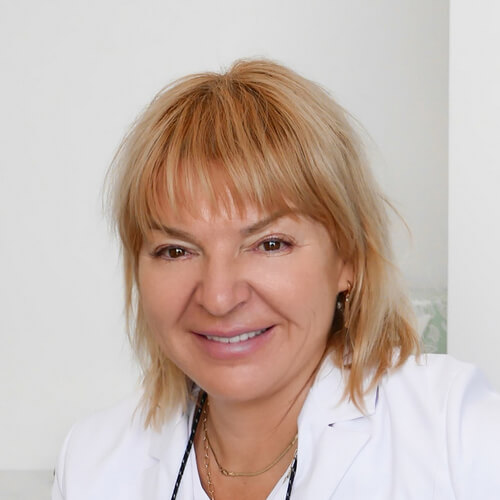
Dr. Irena Starchenko brings more than 30 years of clinical experience, with formal training from Kharkiv National Medical University and advanced study at the University of Southern California. She is active in professional organizations like the American Dental Association and the Academy of General Dentistry.
At Dental Line we emphasize patient comfort, evidence-based treatment planning, and advanced diagnostic and restorative tools — digital X‑rays, CBCT 3D imaging, ultrasonic scalers, and LED whitening — to improve accuracy and reduce chair time.
For families in Encino and nearby neighborhoods, these strengths translate into reliable outcomes and clear communication about options and next steps.
When choosing a provider, practical benefits often matter most. We prioritize features that affect your visit and long-term care:
- Seasoned clinical leadership: Experienced in managing complex family cases and cosmetic planning with confidence.
- Modern diagnostic tools: Faster, more precise imaging and the possibility of same-day restorations.
- Patient-centered experience: Comfort options and clear explanations to ease anxiety.
If you’d like to schedule a consultation or learn more about family dentistry in Encino, Dental Line is at 18024 Ventura Blvd, Encino, CA 91316. Call us at (747) 265-6179 to book an appointment or ask questions.
What Experience and Qualifications Does Dr. Starchenko Bring to Your Care?
Dr. Irena Starchenko’s education and professional affiliations support a balanced approach that favors conservative care while using advanced techniques when they improve outcomes. Her training at Kharkiv National Medical University, advanced study at USC, and ongoing involvement with the American Dental Association and the Academy of General Dentistry ensure she follows current standards and technologies. That experience is important for treatments like implants, veneers, and pediatric protocols — and an initial consultation helps families understand treatment sequencing and why particular options are recommended.
How Does Advanced Technology Enhance Your Comfort and Treatment Outcomes?
Advanced tools — digital X‑rays, CBCT 3D scans, intraoral scanners, ultrasonic scalers, and LED whitening — improve diagnostic precision, lower radiation exposure, shorten appointments, and allow more conservative preparation and restorative workflows.
Digital imaging uncovers hidden issues and guides implant placement and root canal planning with greater accuracy, while same‑day CAD/CAM restorations can reduce the need for multiple visits and temporary crowns.
Modern hygiene instruments increase comfort during cleanings, and LED-assisted whitening delivers controlled cosmetic results with manageable sensitivity.
Together, experienced clinicians, a patient-centered process, and contemporary technology make Dental Line a practical choice for families seeking comprehensive dental care in Encino, Sherman Oaks, Tarzana, Woodland Hills, Calabasas, and Reseda.
Frequently Asked Questions
What types of cosmetic dental treatments are available for adults?
Adults can choose from several cosmetic treatments, including professional teeth whitening, porcelain veneers, and dental bonding. Whitening brightens natural teeth using peroxide-based agents, veneers are thin shells that correct shape and color, and bonding uses tooth-colored resin to fix small imperfections. Each option has different trade-offs in invasiveness, cost, and longevity, so we help you pick the treatment that fits your goals and lifestyle.
How can I maintain my child’s dental health between visits?
Maintain your child’s dental health with regular brushing using fluoride toothpaste, daily flossing when teeth touch, and a balanced diet low in sugary snacks and drinks. Encourage water over sugary beverages and schedule regular checkups for monitoring and preventive treatments like fluoride and sealants. Teaching good habits early builds a strong foundation for lifelong oral health.
What should I do if my child has a dental emergency?
Stay calm and assess the situation. For a knocked-out tooth, handle it by the crown, keep it moist in milk or saliva, and seek immediate dental care. For severe toothaches, rinse the mouth gently and call your dentist for advice. If a tooth is fractured, save any pieces and get to the dentist quickly. Prompt action can often save the tooth and reduce complications.
Are there any specific dental care tips for seniors?
Seniors should focus on consistent oral hygiene and regular dental visits, since age-related challenges like dry mouth or gum disease are common. Use fluoride toothpaste, stay hydrated, and consider saliva substitutes if needed. Regular exams help catch issues early and keep seniors comfortable and healthy.
How does the dental team ensure a comfortable experience for anxious patients?
We create a comfortable experience by listening first and tailoring care to each patient’s needs. Techniques like guided breathing, calming music, and distraction can ease nerves. For patients with higher anxiety, sedation options are available so necessary treatments can be completed safely and comfortably.
What are the long-term benefits of preventive dental care?
Preventive dental care lowers the risk of cavities, gum disease, and other oral problems. Regular checkups and cleanings let us find and treat issues early before they require more invasive work. This proactive approach saves time and money and supports overall health, since oral health is closely linked to systemic conditions.
How can I choose the right family dentist for my needs?
Choose a family dentist by evaluating experience, range of services, and patient feedback. Look for a practice that offers comprehensive care — preventive, restorative, and cosmetic — and that prioritizes communication and comfort. Scheduling a consultation helps you see if the practice is a good fit for your family.
Conclusion
Choosing a comprehensive family dentist in Encino gives your family coordinated preventive, restorative, cosmetic, pediatric, and emergency care designed for comfort and efficiency. Regular checkups and a proactive prevention plan protect your family’s smiles while minimizing invasive treatments. Reach out to schedule a consultation and learn how Dental Line can support your family’s oral health journey.