
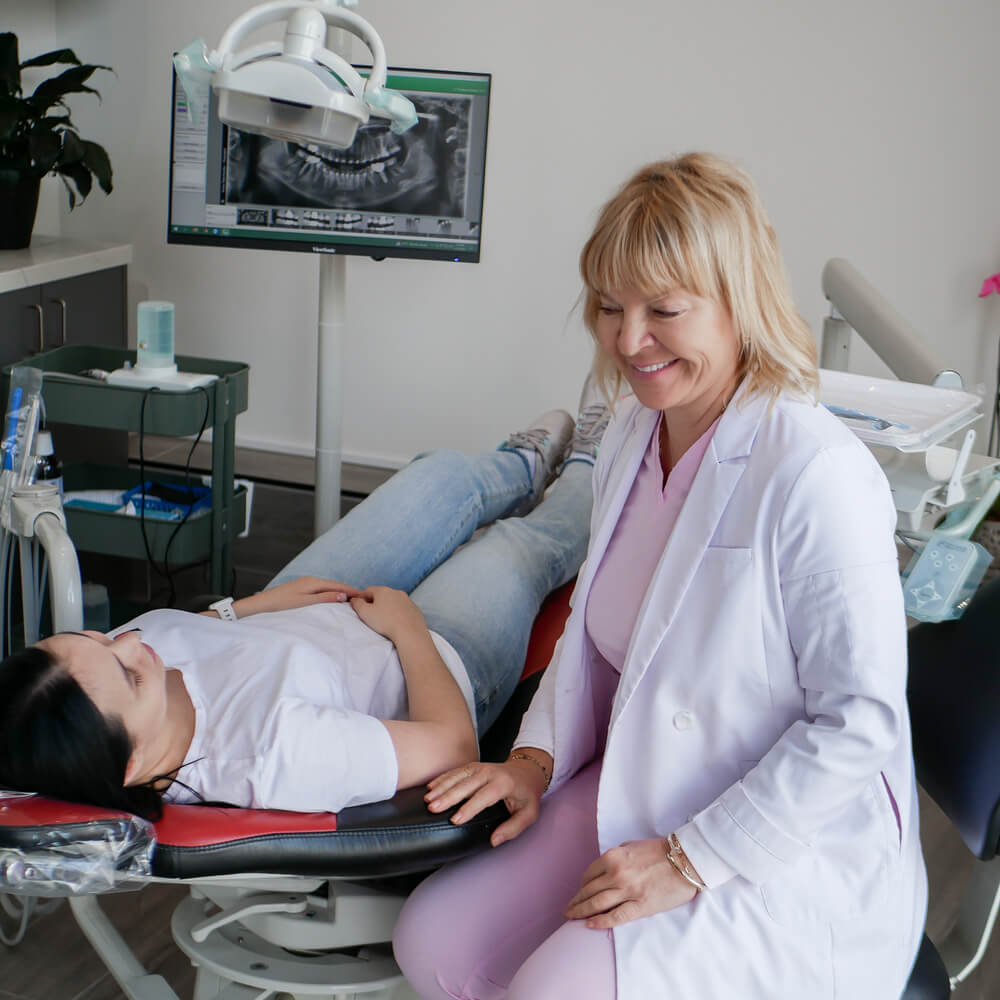

Stepping into a new dental office should be a seamless and positive experience that prioritizes your comfort and long-term oral health. Whether you are new to the San Fernando Valley or simply looking for a fresh start with a provider who truly understands your needs, scheduling an appointment with a trusted family dentist encino residents rely on is the first step toward a healthier smile. This guide details exactly what occurs during that initial appointment so you can arrive feeling prepared, relaxed, and confident in the care you will receive.
What Should I Expect During My First Visit to a Family Dentist?
The primary goal of your first appointment is to establish a comprehensive baseline of your oral health while building a relationship of trust with your dental team. Unlike routine follow-up appointments which might focus solely on cleaning, this initial visit involves a deep dive into your medical history, a thorough examination of your teeth and gums, and an open discussion about your cosmetic or functional goals. Your dentist will take the time to understand the unique factors affecting your smile, from dietary habits to genetic predispositions. This holistic approach ensures that every future treatment is tailored specifically to you.
You will notice immediately that a modern family practice focuses heavily on education and prevention rather than just treating problems as they arise. The team will guide you through each stage of the exam, explaining what they see in real-time using advanced imaging technology. This transparency eliminates the mystery often associated with dental care and empowers you to make informed decisions about your treatment. By the end of this visit, you should have a clear roadmap for maintaining or restoring your smile, devoid of confusion or hidden surprises.
Preparing for Your New Patient Dental Appointment
Preparation is key to ensuring your first visit runs smoothly and efficiently. Collecting necessary information beforehand allows the dental team to focus entirely on your clinical care rather than administrative tasks once you arrive. You should start by gathering your photo identification and current dental insurance card to verify your coverage benefits prior to treatment. If you have dental records or x-rays from a previous provider within the last year, request to have them transferred to your new office to avoid unnecessary duplication of radiation exposure and costs.
It is also vital to create a written list of any current medications you are taking, including dosage and frequency. Many patients do not realize that common prescriptions for heart health, blood pressure, or even allergies can significantly influence dental health and treatment options. Systemic conditions like diabetes or autoimmune disorders also play a major role in how your body heals after dental procedures. Providing a complete health history ensures your family dentist encino can treat you safely and effectively.
Managing Dental Anxiety Before You Arrive
For many patients, the anticipation of a dental visit causes more stress than the appointment itself. If you experience nervousness, it is helpful to communicate this to the front desk staff when you book your new patient dental appointment. Modern family dental practices are well-equipped to manage anxiety through calming amenities, clear communication, and sometimes sedation options. Getting a good night’s sleep and eating a light meal before your visit can also help stabilize your blood sugar and mood, making the experience much more pleasant.
The Initial Dental Consultation and Exam
Once you are seated in the treatment chair, the clinical portion of your visit begins with a conversation rather than a dental tool. Your dentist will discuss your primary reasons for visiting, whether it is for a routine checkup or specific pain you are experiencing. This is the perfect time to mention if you have noticed sensitivity to hot or cold, bleeding gums during brushing, or dissatisfaction with the color of your teeth. Your input helps the dentist focus their examination on areas that matter most to you.
After this discussion, the dentist performs a visual inspection of your face, jaw, and neck to check for any abnormalities in the lymph nodes or jaw joints. This screening is a critical part of monitoring your overall health, as signs of stress like TMJ disorder often manifest in the jaw muscles before they damage the teeth. This comprehensive approach distinguishes a high-quality Encino Dentist from a standard provider, as they look at the entire oral-facial system rather than just checking for cavities.
Digital X-Rays and Advanced Imaging
To see what is happening beneath the surface, your dental team will capture a set of digital x-rays. These high-definition images reveal issues that are invisible to the naked eye, such as cysts, bone loss, and decay between tight contacts. Digital sensors are used because they significantly reduce radiation exposure compared to traditional film and produce instant images on a chairside monitor.
You might also undergo an intraoral camera tour where a small wand takes photos of your teeth. This allows you to see exactly what the dentist sees, such as cracked fillings or receding gum lines. Visualizing your oral health status bridges the gap between professional diagnosis and patient understanding. It transforms abstract concepts into clear visual evidence, helping you understand the urgency of recommended treatments.
Professional Cleaning and Periodontal Assessment
A crucial component of your first visit is the assessment of your gum health, known as periodontal charting. The hygienist or dentist will gently measure the space between your teeth and gums using a tiny ruler. Healthy gums typically have shallow pockets, while deeper pockets may indicate the presence of gum disease. This data helps determine the type of cleaning you need, as a standard prophylaxis is different from the deep cleaning required for periodontitis.
Following the assessment, a dental hygienist will perform a professional cleaning to remove plaque and tartar buildup. Even with excellent home care, hardened tartar can accumulate in hard-to-reach areas that a toothbrush simply cannot clean. The hygienist uses specialized tools to gently scale these deposits away, leaving your tooth surfaces smooth and clean. They will then polish your teeth to remove surface stains from coffee or tea, giving your smile a brighter appearance instantly.
During this process, the hygienist will also provide personalized hygiene instruction. They might suggest a different angle for your toothbrush or a specific type of floss to navigate bridges or tight spaces. This advice is not generic but based on the specific plaque patterns found in your mouth during the exam.
Detailed Examination of Restorations and Tooth Structure
After your cleaning and x-rays, the dentist will conduct a tooth-by-tooth inspection to check the integrity of your enamel and existing dental work. Over time, old metal fillings can leak or crack, and crowns can lose their seal. Identifying these issues early prevents minor problems from escalating into dental emergencies that require root canals or extractions later.
If the dentist finds a cavity during this exam, they will explain the extent of the decay and why intervention is necessary. For small to moderate areas of decay, they will likely recommend tooth-colored Dental Fillings that blend seamlessly with your natural tooth shade. These modern materials not only look better but also bond directly to the tooth structure, providing strength and durability without the need for extensive removal of healthy enamel.
For teeth that are more heavily damaged or have undergone root canal therapy, the discussion may turn to stronger restorative options. The dentist might suggest Dental Crowns to encase the entire visible portion of the tooth. A crown acts as a protective helmet, shielding a compromised tooth from fracture during chewing. Your first visit is the time when these potential needs are identified and prioritized based on urgency and your budget.
Creating Your Personalized Treatment Plan
Once the examination is complete, your dentist will compile all the findings into a cohesive treatment plan. This document outlines every recommended procedure, the sequence in which they should be done, and the estimated costs. A reputable family dentist encino will never pressure you into unnecessary treatment but will instead present options that align with your health goals.
For example, if you have a missing tooth, the dentist might discuss several replacement strategies. They may explain the benefits of dental implants versus Dental Bridges, which use adjacent teeth to support a prosthetic tooth. Understanding the pros and cons of each option ensures you can make a choice that fits your lifestyle.
This planning phase also covers cosmetic desires. If your teeth are healthy but you are unhappy with their alignment or color, this is the time to ask about whitening or veneers. The dentist can explain realistic outcomes and timelines for these aesthetic enhancements. You will leave the office with a clear understanding of what steps to take next, whether it is a simple follow-up for a filling or a multi-step restorative journey.
Pediatric Considerations for Family Appointments
If you are booking appointments for the entire family, the first visit for children looks slightly different than for adults. Pediatric appointments focus heavily on acclimating the child to the sights and sounds of the dental office to prevent fear. The dentist will count their teeth, check for proper development, and apply fluoride varnish to strengthen developing enamel against decay.
Education for parents is a major component of these pediatric visits. You will learn about sealants, proper brushing techniques for toddlers, and how to manage diet to prevent cavities. A family practice is unique because they can treat patients of all ages under one roof, allowing for convenient scheduling. This continuity of care means your child sees the same friendly faces year after year, building a rapport that lasts into adulthood.
Insurance, Payment, and Scheduling Future Visits
Before you leave, you will meet with the office coordinator to wrap up the administrative side of your visit. They will review your insurance benefits in detail, explaining what portion of your treatment plan is covered and what your out-of-pocket responsibility will be. Transparency in billing is a hallmark of a professional practice, ensuring you are never caught off guard by unexpected fees.
If you require major work that exceeds your immediate budget, ask about financing options. Many offices offer third-party financing or in-house payment plans to make quality care accessible. Once the financial aspect is clear, you will schedule your next appointment. Whether it is for a routine six-month cleaning or to begin restorative work, getting it on the calendar ensures you stay on track with your oral health.
If you ever have lingering questions after you leave the office, do not hesitate to contact us. A supportive dental team is always available to clarify instructions or address concerns that may arise once you are home. Open communication is the foundation of a successful patient-doctor relationship.
Maintaining Your Oral Health Between Visits
The work done during your first visit is only the beginning. Maintaining your oral health requires consistent effort at home. Your dentist will likely recommend a hygiene routine that involves brushing twice a day with fluoride toothpaste and flossing daily. They may also suggest additional tools like water flossers or interdental brushes if you have wide spaces or dental implants.
Diet also plays a massive role in the longevity of your teeth. Reducing the frequency of sugary snacks and acidic beverages helps protect your enamel from erosion. If you participate in contact sports or grind your teeth at night, your dentist might recommend a custom mouthguard to prevent mechanical damage. Following these dental exam preparation and maintenance tips ensures that your next checkup will be a celebration of health rather than a discovery of new problems.
Summary Checklist for Your First Visit
To help you visualize the process, here is a quick reference guide for your initial dental consultation:
| Visit Stage | Key Activities | Patient Goal |
| Check-In | ID/Insurance verification, Medical history forms | Provide accurate data for safe treatment |
| Consultation | Discuss goals, fears, and history with the dentist | Clearly communicate pain or cosmetic desires |
| Diagnostics | Digital X-rays, Intraoral photos, Gum measurements | visualize “hidden” areas of the mouth |
| Hygiene | Plaque removal, Polishing, Fluoride application | Leave with a clean, fresh foundation |
| Exam & Plan | Check for cavities/cracks, Discuss treatment options | Understand future needs and costs |
Why Choosing the Right Provider Matters
Selecting a dental home is a significant decision that impacts your quality of life. A skilled provider acts as a partner in your health, catching potential issues like oral cancer or gum disease before they become life-threatening. They also play a crucial role in your self-esteem, as a healthy, attractive smile is often the first thing people notice about you.
When you choose a dedicated family dentist encino, you are choosing a team that values your time, respects your comfort, and delivers clinical excellence. The right office will make you feel heard and valued from the moment you walk through the door until your treatment is complete.
Conclusion
Your first trip to a new dentist sets the tone for your future oral health journey. By understanding the comprehensive nature of the exam, the importance of your medical history, and the value of a personalized treatment plan, you can approach this appointment with confidence. Prioritizing your dental care is an investment in your overall well-being.
At Dental Line, we are committed to providing this level of detailed, compassionate care to every new patient we welcome. If you are ready to experience a dental visit that focuses on your unique needs and comfort, we invite you to reach out and schedule your first appointment today.
Frequently Asked Questions
How long does a new patient dental appointment typically take?
Most initial appointments last between 60 to 90 minutes. This duration allows sufficient time for filling out necessary paperwork, capturing a full set of digital x-rays, performing a comprehensive gum and tooth exam, and a professional cleaning. If you have complex dental issues that require a longer consultation, the office may schedule the cleaning for a separate visit to ensure the dentist has ample time to discuss your diagnosis.
Will I get a cleaning on my first visit?
In most cases, yes, a professional cleaning is part of the first visit. However, if your gum health assessment reveals signs of active periodontal disease or deep pockets, a standard cleaning may not be appropriate. In such instances, the dentist will recommend a more specialized deep cleaning therapy and will likely reschedule that procedure to ensure enough time is dedicated to treating the infection properly.
What should I bring to my first appointment?
To ensure a smooth check-in process, bring a valid photo ID, your current dental insurance card, and a list of any medications you are currently taking. If you have dental x-rays from a previous dentist taken within the last 6 to 12 months, try to have those emailed to the new office beforehand. Bringing a form of payment for any copays or deductible is also recommended.
Do digital x-rays expose me to a lot of radiation?
Modern digital x-rays are extremely safe and emit significantly less radiation than traditional film x-rays—often up to 90% less. The amount of radiation from a full set of dental x-rays is comparable to the background radiation you are exposed to during a short airplane flight. Dentists use them because they are essential for diagnosing issues like bone loss, cysts, and decay between teeth that cannot be seen visually.
Does a family dentist treat children and adults differently?
Yes, while a family dentist is trained to treat all ages, the approach changes based on the patient’s developmental stage. For adults, the focus is often on restoration, gum health, and cosmetics. For children, the focus is on prevention, monitoring jaw growth, and developing positive habits. The dentist uses age-appropriate language and techniques to ensure children feel safe and comfortable during their exams.