
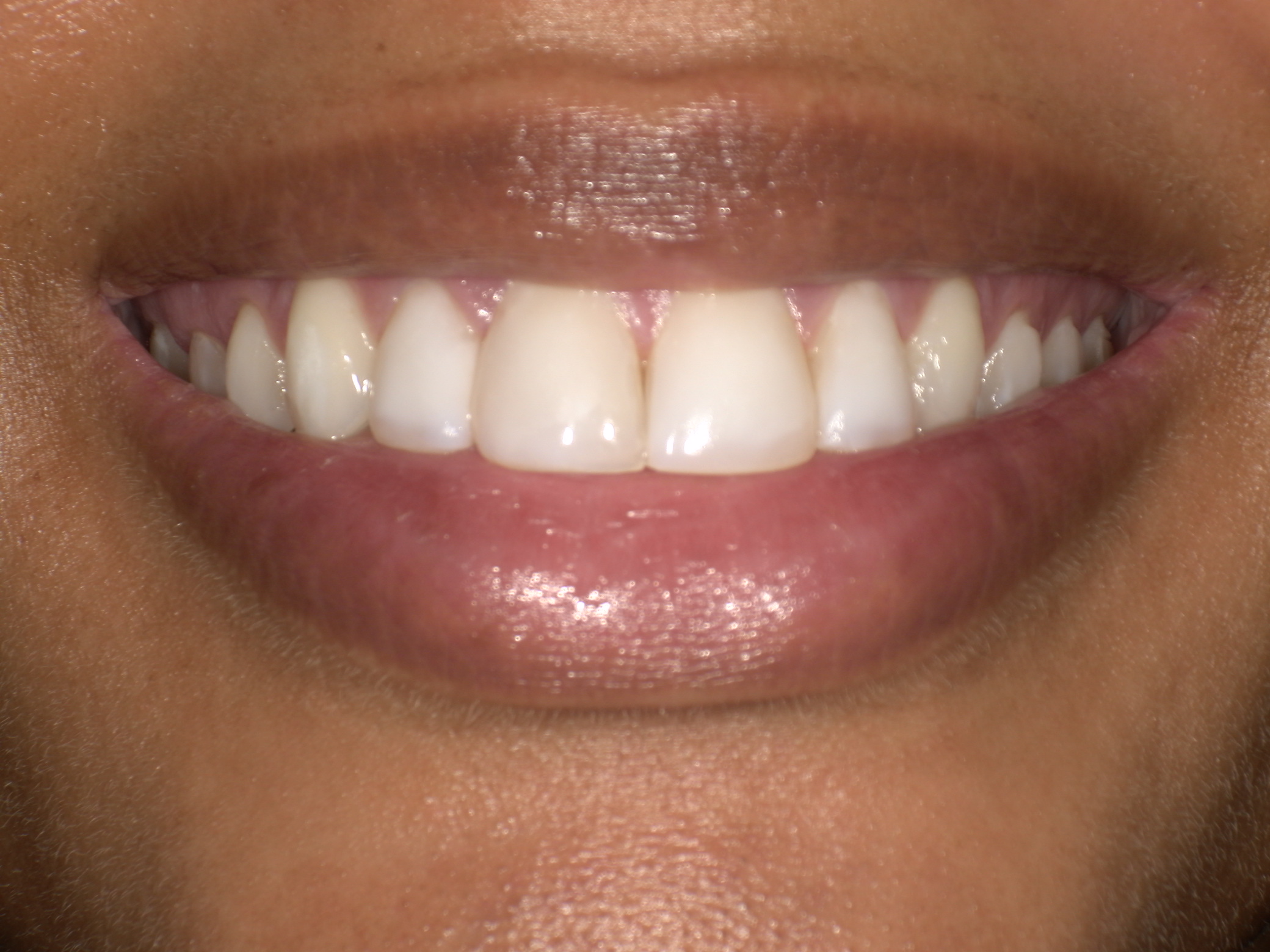

Porcelain veneers are a popular cosmetic dentistry solution that can dramatically enhance the appearance of your smile. Understanding their longevity and maintenance is crucial for anyone considering this dental restoration option. In this article, we will explore how long porcelain veneers typically last, the factors that influence their durability, and essential maintenance tips to ensure they remain in excellent condition. Many individuals are concerned about the lifespan of their veneers and the care required to maximize their longevity. This guide will provide insights into the expected lifespan of porcelain veneers, the role of oral hygiene, and practical maintenance strategies. We will also discuss when to consult your dentist in Encino for professional care and evaluation.
What Is the Typical Lifespan of Porcelain Veneers?
Porcelain veneers generally have an average lifespan of 10 to 15 years, depending on various factors. Their durability is influenced by the quality of the materials used, the skill of the dentist, and the patient’s oral hygiene practices. Regular dental visits are crucial for maintaining the integrity of veneers, as they allow for early detection of any potential issues. By adhering to proper care routines, patients can significantly extend the life of their veneers.
How Long Can You Expect Porcelain Veneers to Last?
The longevity of porcelain veneers can vary based on several factors. Good oral hygiene practices, such as regular brushing and flossing, can help extend their lifespan. Additionally, avoiding hard or sticky foods can prevent damage to the veneers. Regular dental check-ups are essential to monitor the condition of the veneers and address any concerns promptly. By following these guidelines, patients can expect their veneers to last closer to the upper end of the lifespan spectrum.
What Recent Studies Reveal About Veneer Durability
Recent studies indicate that high-quality porcelain veneers can last significantly longer than lower-quality alternatives. Research shows that the durability of veneers is closely linked to the materials used and the techniques employed during their application. Oral hygiene also plays a critical role; patients who maintain excellent dental care habits tend to experience fewer issues with their veneers. Dietary habits, such as limiting staining foods and beverages, can further enhance the longevity of porcelain veneers.
Further research provides specific insights into the clinical longevity and common failure modes of porcelain veneers.
Porcelain Veneer Survival Rates & Failure Types
Overall, five absolute failures were encountered (fractures:n= 3; chipping:n= 1; debonding:n= 1), resulting in a survival rate of 94.6 % (Kaplan–Meier). Survival rates of the laminates bonded to teeth without (96 %) and with ECR (93.5 %) did not show significant differences (p> 0.05). Slight marginal defects (16 of 87 laminates) and slight marginal discoloration at the margins were noted (12 of 87 laminates) until the final recall. Secondary caries and endodontic complications were not detected in any of the teeth.
Clinical longevity of ceramic laminate veneers bonded to teeth with and without existing composite restorations up to 40 months, MMM Gresnigt, 2013
Which Factors Influence the Durability of Porcelain Veneers?
Several key factors influence the durability of porcelain veneers:
- Material Quality: Higher-quality porcelain is more resistant to wear and damage.
- Oral Hygiene Practices: Consistent brushing and flossing help prevent plaque buildup and decay.
- Lifestyle Choices: Habits such as smoking or excessive consumption of staining foods can negatively impact veneer longevity.
Understanding these factors can help patients make informed decisions about their dental care and maintenance.
How Do Veneer Material Types Affect Longevity?
When comparing porcelain veneers to dental bonding, it is evident that porcelain is generally more durable. Porcelain veneers are designed to withstand significant wear and tear, while dental bonding may require more frequent replacements. The longevity of each material type varies, with porcelain typically lasting longer due to its superior strength and resistance to staining. Care requirements also differ; porcelain veneers require regular maintenance, while bonding may need more frequent touch-ups.
The long-term success of any restoration, including veneers, heavily relies on the strength and durability of the bond to the tooth.
Bond Durability & Veneer Lifespan
bond durability is critical for the longevity of restorations, since degradation can weaken adhesion and lead to gaps between teeth
Long-term s
urvival and complication rates of porcelain laminate veneers in clinical studies: a systematic review, A Alenezi, 2021
What Role Does Oral Hygiene Play in Veneer Lifespan?
Oral hygiene is paramount in extending the lifespan of porcelain veneers. Regular brushing and flossing are essential to prevent plaque buildup, which can lead to decay around the edges of the veneers. Additionally, avoiding hard foods can prevent chips and cracks. Routine dental visits are also crucial, as they allow for professional cleanings and evaluations to ensure the veneers remain in good condition.
Indeed, maintaining excellent oral hygiene is consistently highlighted as a key factor in extending the life of veneer restorations.
Oral Hygiene for Veneer Longevity
with veneer restoration, especially specific to tooth location, is essential. Additionally, advising patients on proper oral hygiene practices is recommended to minimize the risk of gingival inflammation to enhance the longevity of the restoration.
Long‐Term Outcomes of Ceramic Veneers Restorations: A Comprehensive Analysis of Clinical and Patient‐
Reported Me
trics, W Chengprapakorn, 2025
How Can You Maintain Your Porcelain Veneers for Maximum Longevity?
To maintain porcelain veneers effectively, consider the following tips:
- Daily Oral Hygiene: Brush twice daily with a non-abrasive toothpaste and floss regularly.
- Regular Dental Visits: Schedule check-ups every six months to monitor the condition of your veneers.
- Dietary Considerations: Limit consumption of hard or sticky foods that could damage the veneers.
By following these maintenance strategies, patients can significantly enhance the longevity of their porcelain veneers.
What Daily Oral Hygiene Habits Extend Veneer Life?
Daily oral hygiene habits play a crucial role in extending the life of porcelain veneers. Key practices include:
- Brushing: Brush twice daily with a non-abrasive toothpaste to prevent plaque buildup.
- Flossing: Floss daily to remove food particles and plaque from between the teeth and around the veneers.
- Limiting Staining Foods: Reduce intake of foods and drinks that can stain the veneers, such as coffee, tea, and red wine.
These habits not only protect the veneers but also contribute to overall oral health.
When Should You Schedule Professional Veneer Care in Encino?
Scheduling professional veneer care is essential for maintaining the health and appearance of your veneers. It is recommended to visit your dentist every six months for routine check-ups. During these visits, your dentist can assess the condition of your veneers and provide necessary treatments. Additionally, if you notice any signs of damage, such as chips or cracks, it is crucial to consult your dentist promptly to prevent further issues.
What Are the Signs That Porcelain Veneers Need Replacement?
Recognizing the signs that porcelain veneers may need replacement is vital for maintaining your smile. Key indicators include:
- Visible Damage: Chips or cracks in the veneer surface can compromise their integrity.
- Increased Sensitivity: Heightened sensitivity to temperature changes may indicate underlying issues.
- Discoloration: If the veneers become discolored and cannot be polished away, replacement may be necessary.
Being aware of these signs can help you take timely action to preserve your dental health.
How to Identify Veneer Damage or Wear Early
Early detection of veneer damage is crucial for effective maintenance. Regular self-checks can help identify visible damage, such as chips or cracks. Additionally, monitoring any changes in sensitivity can provide insight into potential issues. If you notice any concerning signs, it is essential to consult your dentist for a professional evaluation.
When to Consult Your Encino Dentist for Veneer Evaluation
Consulting your dentist for veneer evaluation is important for maintaining the health of your smile. You should seek professional advice if you notice visible damage, increased sensitivity, or any other concerns regarding your veneers. Regular evaluations can help catch potential issues early, ensuring that your veneers remain in optimal condition.
How Do Porcelain Veneers Compare to Dental Bonding in Longevity and Care?
Porcelain veneers generally outlast dental bonding in terms of longevity and care requirements. While veneers can last 10 to 15 years with proper maintenance, dental bonding typically requires more frequent replacements. The care for porcelain veneers is also more straightforward, focusing on regular oral hygiene and professional check-ups, whereas bonding may need touch-ups more often.
What Are the Typical Costs and Replacement Timelines for Porcelain Veneers?
The costs for porcelain veneers can range from $925 to $2,500 per tooth, depending on various factors such as the dentist’s expertise and the materials used. The lifespan of veneers can vary based on care, with regular maintenance potentially extending their longevity. Understanding the financial implications and replacement timelines is essential for anyone considering this cosmetic dental option.
How Often Do Veneers Usually Require Replacement?
Typically, porcelain veneers last between 10 to 15 years, influenced by care and habits. Regular check-ups can help prevent issues that may lead to premature replacement. By maintaining good oral hygiene and scheduling routine dental visits, patients can maximize the lifespan of their veneers.
What Financial Options Are Available for Veneer Maintenance in Encino?
When considering porcelain veneers, it’s important to understand the financial options available for maintenance. Costs can range from $925 to $2,500 per tooth, and payment plans may be available through dental offices. Additionally, insurance coverage for veneers can vary, so it’s advisable to check with your provider to understand your options.
| Factor | Influence on Durability | Impact Level |
| Material Quality | Higher quality porcelain lasts longer | High |
| Oral Hygiene | Consistent care prevents decay | High |
| Lifestyle Choices | Habits like smoking affect longevity | Medium |
This table illustrates how different factors can significantly impact the durability of porcelain veneers, emphasizing the importance of quality materials and good oral hygiene practices.
Frequently Asked Questions
Can porcelain veneers be repaired if damaged?
Yes, porcelain veneers can sometimes be repaired depending on the extent of the damage. Minor chips or cracks may be fixed by your dentist using composite resin or by polishing the surface. However, if the damage is significant, such as a large fracture or complete debonding, replacement of the veneer may be necessary. It’s essential to consult your dentist promptly if you notice any damage to ensure the best outcome and maintain the integrity of your smile.
Are there any foods or drinks to avoid with porcelain veneers?
Yes, certain foods and drinks should be avoided to protect your porcelain veneers. Hard foods, such as nuts or hard candies, can cause chips or cracks. Sticky foods, like caramel or taffy, can pull at the veneers and potentially dislodge them. Additionally, beverages that stain, such as coffee, tea, and red wine, should be consumed in moderation. Using a straw for these drinks can help minimize contact with the veneers, preserving their appearance.
How do I know if my veneers are still in good condition?
To determine if your veneers are in good condition, regularly inspect them for visible signs of damage, such as chips, cracks, or discoloration. Pay attention to any changes in sensitivity, especially to hot or cold temperatures, as this may indicate underlying issues. Routine dental check-ups are also crucial, as your dentist can evaluate the condition of your veneers and provide professional cleaning and maintenance advice to ensure they remain in optimal shape.
What should I do if my veneers feel loose?
If your veneers feel loose, it is important to contact your dentist immediately. Loose veneers can lead to further complications, including decay or damage to the underlying tooth structure. Your dentist will assess the situation and may need to re-bond the veneer or replace it if necessary. Avoid using the affected tooth for chewing until you receive professional care to prevent further issues.
Can I whiten my porcelain veneers?
Whitening treatments are not effective on porcelain veneers, as they do not respond to bleaching agents like natural teeth do. If your veneers become discolored over time, professional cleaning by your dentist may help restore their brightness. If significant discoloration occurs, replacement of the veneers may be necessary. To maintain their appearance, it’s best to practice good oral hygiene and avoid foods and drinks that can stain.
How can I prevent my veneers from staining?
To prevent staining on your porcelain veneers, maintain good oral hygiene by brushing twice daily with a non-abrasive toothpaste and flossing regularly. Limiting the intake of staining foods and beverages, such as coffee, tea, and red wine, can also help. Rinsing your mouth with water after consuming these items can further reduce the risk of stains. Regular dental cleanings will also help keep your veneers looking their best.
What are the signs that I need to replace my veneers?
Signs that you may need to replace your porcelain veneers include visible damage such as chips or cracks, increased sensitivity to temperature changes, and discoloration that cannot be polished away. If you notice any of these issues, it’s important to consult your dentist for an evaluation. Early detection can help prevent further complications and ensure that your smile remains healthy and attractive.
Conclusion
Understanding the lifespan and maintenance of porcelain veneers is essential for preserving your smile and investment in cosmetic dentistry. By following proper oral hygiene practices and scheduling regular dental check-ups, you can significantly extend the life of your veneers. This knowledge empowers you to make informed decisions about your dental care and ensures your veneers remain in optimal condition. For personalized advice and to explore your options, contact your dentist in Encino today.