
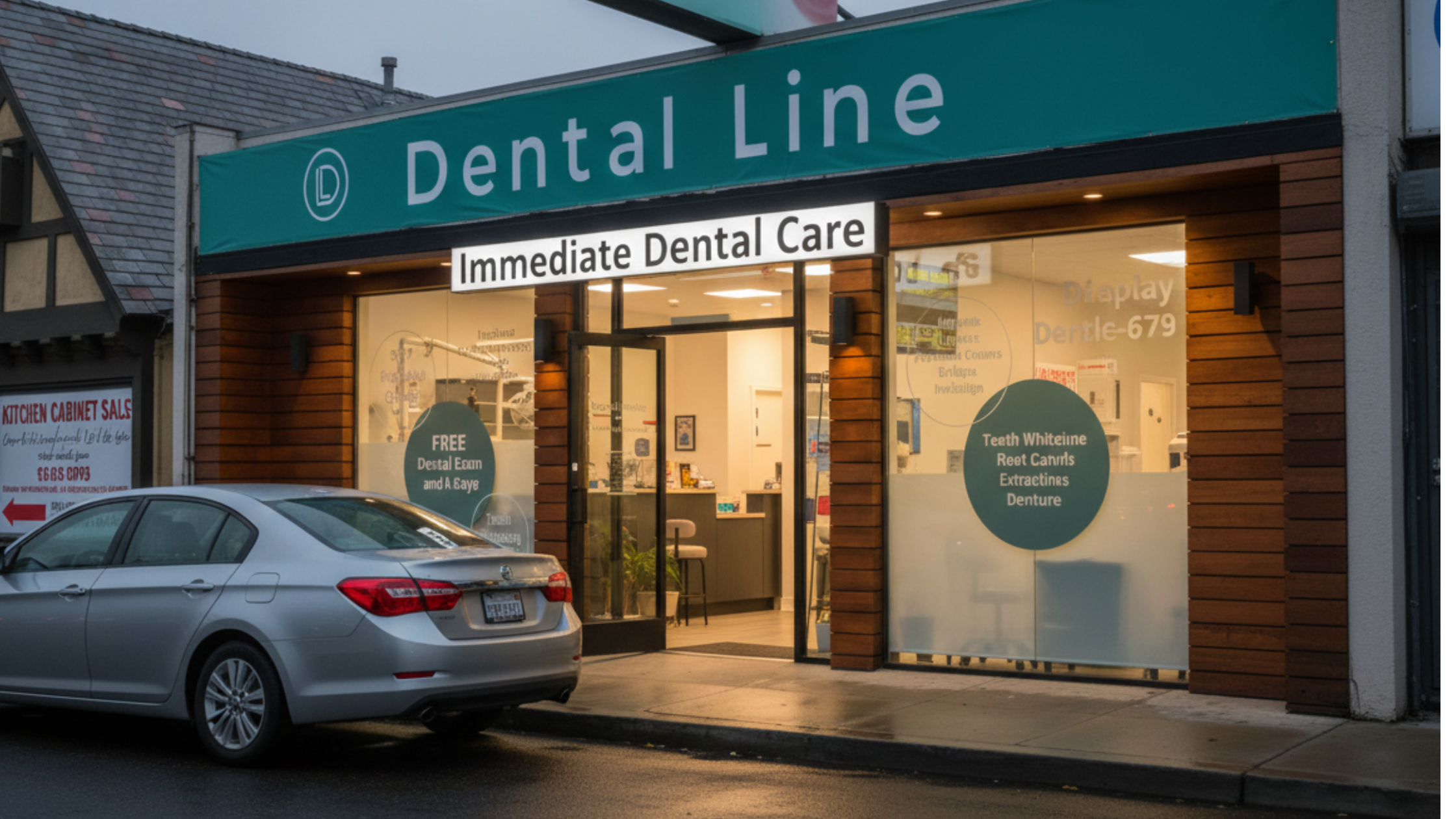

Dental injuries are stressful — a cracked or knocked-out tooth can feel alarming and confusing. Knowing what to do right away can change the outcome. This guide walks you through how to spot dental trauma, practical first-aid steps to take immediately, the emergency treatments available, and how to get same‑day care here in Encino. With a little preparation, you’ll be ready to protect your smile and get the right care fast.
Below you’ll find clear, step‑by‑step information on recognizing signs of a cracked or avulsed tooth, the first-aid actions that matter, emergency treatment options offered at Dental Line, how to arrange same‑day care, typical costs and insurance considerations, and simple prevention tips to reduce future risk.
What Are the Signs and Symptoms of a Cracked or Knocked-Out Tooth?
Spotting the difference between a minor crack and a true dental emergency helps you act quickly. Cracked teeth can present in several ways depending on the crack type, while a knocked‑out tooth is usually obvious and needs urgent attention.
How to Recognize Different Types of Cracked Teeth
Cracks show up in different patterns — each with its own signs:
- Craze Lines: Tiny, superficial surface cracks. Usually painless and often only visible to a dentist.
- Fractured Cusp: A piece of the chewing surface breaks off. You may feel pain when biting.
- Cracked Tooth: A crack that runs from the chewing surface toward the root — often causes sensitivity and intermittent pain.
- Split Tooth: A severe split where the tooth separates into distinct segments; extraction is often required.
Knowing these types helps you judge how urgent dental attention should be.
What Immediate Symptoms Indicate a Knocked-Out Tooth Emergency?
A knocked‑out (avulsed) tooth is a true emergency. Watch for these signs:
- Complete Tooth Loss: The tooth is fully dislodged from its socket.
- Pain or Discomfort: Pain levels vary but can be sharp.
- Bleeding: Noticeable bleeding from the gum where the tooth was.
- Swelling: Swelling of the gum, lip, or face near the injury.
Quick recognition lets you take the right steps to preserve the tooth whenever possible.
What Immediate First Aid Steps Should You Take for a Cracked or Knocked-Out Tooth?
How you act in the first minutes after an injury matters. These practical steps can reduce pain, limit damage, and improve treatment outcomes.
How to Provide First Aid for a Cracked Tooth at Home
If you suspect a cracked tooth, do this:
- Rinse Your Mouth: Gently rinse with warm water to clear debris and blood.
- Apply a Cold Compress: Hold a cold pack to the outside of the cheek for 15–20 minutes to reduce swelling and dull pain.
- Avoid Hard Foods: Eat soft foods and avoid chewing on the injured side until you’re seen by a dentist.
These measures buy time and reduce the chance of further damage until professional care is available.
What Are the Critical Actions to Save a Knocked-Out Tooth?
If a permanent tooth has been knocked out, quick, careful action gives the best chance of saving it:
- Handle the Tooth Carefully: Hold only the crown (the chewing surface). Avoid touching the root.
- Rinse the Tooth: If dirty, rinse briefly with water — do not scrub or use soap and don’t remove tissue fragments.
- Reinsert the Tooth: If you can, gently place the tooth back into its socket and bite down on gauze or a clean cloth. If reinsertion isn’t possible, keep the tooth moist in milk, saline, or the patient’s saliva.
- Seek Emergency Dental Care: Call a dentist immediately for instructions and to arrange treatment.
Following these steps improves the chances dental professionals can replant and save the tooth.
Research and clinical guidance outline techniques specific to avulsed permanent teeth that can improve long‑term outcomes.
Immediate Treatment for Avulsed Permanent Teeth
When the expected healing pattern is replacement resorption and ankylosis, clinicians have recommended either immediate placement of CH or extraoral root filling.
Avulsed permanent teeth: a review of the literature and treatment guidelines, DJ Kenny, 1997
Authoritative guidelines help clinicians make timely diagnostic and treatment decisions for traumatic dental injuries.
IADT Guidelines for Traumatic Dental Injuries
Accurate diagnosis, careful treatment planning, and appropriate follow‑up are essential for a successful result. The IADT guidelines summarize current evidence and are periodically updated to reflect best practices.
International Association of Dental Traumatology guidelines for the management of traumatic dental injuries: General introduction, L Levin, 2020
What Emergency Dental Treatments Are Available in Encino for Cracked and Knocked-Out Teeth?
How Does Dental Line Treat Cracked Teeth with Crowns and Root Canals?
At Dental Line, treatment for a cracked tooth depends on how deep the crack goes. Common options include:
- Crowns: For less severe cracks, a crown restores shape and strength, protecting the tooth from further breakage.
- Root Canals: If the crack reaches the pulp, a root canal may be needed to remove infected tissue and relieve pain before restoring the tooth.
These approaches aim to preserve your natural tooth and restore function whenever possible.
Studies tracking outcomes after endodontic treatment of cracked teeth provide useful data on long‑term survival and risk factors.
Cracked Tooth Endodontic Treatment Survival Rates
Overall tooth survival at 60 months was 84.1% (95%CI, 72.3–91.5%). While no pre‑operative factor reached statistical significance, several clinical factors — such as single cracks or cracks contained within crowns — were associated with lower extraction risk, whereas deeper periodontal pockets and terminal abutment status increased extraction risk.
Outcomes of endodontically treated cracked teeth: a systematic review and meta-analysis, DJX Leong, 2020
What Are the Restorative Solutions for Knocked-Out Teeth at Dental Line?
For avulsed teeth, Dental Line offers several restorative options depending on the case:
- Replantation: If the tooth is promptly retrieved and in good condition, replanting it into the socket may be possible.
- Dental Implants: When replantation isn’t possible or fails, a dental implant provides a long‑term permanent replacement; see our restorative dentistry options for details.
We discuss pros, timelines, and expected outcomes with each patient to choose the best path forward.
How Can You Access Same-Day Emergency Dental Care in Encino?
Timely access to care matters. Here’s how to reach Dental Line quickly for urgent dental needs.
What Are the Steps to Book an Emergency Dentist Appointment at Dental Line?
To book an emergency dentist appointment at Dental Line, follow these simple steps:
- Schedule Your Appointment: Call our office or use the Dental Line website to request an urgent visit.
- Prepare Necessary Documents: Bring your insurance card, photo ID, and any paperwork to speed check‑in.
- Send Dental Records: If you have prior records or x‑rays, ask your previous provider to email them to ladentalline@gmail.com before your visit.
- Prepare Medical History: Note current medications, allergies, medical devices, chronic conditions, and past surgeries to share with the team.
- Arrive Early: Plan to arrive about 15 minutes early, especially if you’re a new patient and need to complete forms.
Following these steps helps us start treatment faster and get you comfortable sooner.
Does Dental Line Offer After-Hours or Weekend Emergency Services?
Yes. Dental Line offers after‑hours and weekend emergency coverage to make sure urgent needs are addressed when they occur. Call our emergency line or check the website for current availability.
What Are the Costs and Insurance Options for Emergency Dental Care in Encino?
Costs for emergency dental care vary with the injury and required treatment. Below are common estimates to help you plan.
How Much Does Emergency Treatment for Cracked or Knocked-Out Teeth Typically Cost?
Estimated cost ranges (actual price depends on diagnosis and treatment plan):
- Cracked Tooth Treatment: Typically ranges from $300 to $1,500 depending on whether a crown, onlay, or root canal is required.
- Knocked-Out Tooth Treatment: Replantation may run $500–$1,500; dental implants typically range from $3,000 to $5,000 depending on complexity.
These figures are general estimates — we’ll provide a clear treatment estimate after examining your situation.
Which Insurance Plans and Payment Options Does Dental Line Accept?
Dental Line works with many major dental insurance plans and offers flexible payment options and financing to make emergency care more accessible. Contact our office to confirm your coverage and available payment plans.
| Service | Cost Range | Insurance Options |
|---|---|---|
| Cracked Tooth Treatment | $300 – $1,500 | Most major insurance plans accepted |
| Knocked-Out Tooth Replantation | $500 – $1,500 | Coverage varies by plan |
| Dental Implants | $3,000 – $5,000 | Financing options available |
This table summarizes typical costs and the insurance/payment options we commonly accept at Dental Line.
How Can You Prevent Dental Emergencies Like Cracked or Knocked-Out Teeth?
Prevention is always preferable. A few sensible habits and protective steps greatly reduce the likelihood of traumatic dental injuries.
What Protective Measures Reduce the Risk of Dental Trauma?
To lower your risk of dental trauma, consider these measures:
- Wear a Mouthguard: Use a properly fitted mouthguard for contact sports and high‑impact activities.
- Avoid Hard Foods: Limit chewing on ice, hard candies, or other very hard items that can fracture teeth.
- Practice Good Oral Hygiene: Regular brushing, flossing, and dental visits help keep teeth strong and spot problems early.
Applying these precautions can significantly reduce emergency visits and preserve oral health.
When Should You Seek Regular Check-Ups to Avoid Emergency Situations?
Routine dental check‑ups — typically every six months — help catch small issues before they become emergencies. Your dentist may recommend more frequent visits if you have risk factors that need closer monitoring.
Frequently Asked Questions
What should I do if I experience a dental emergency outside of regular office hours?
If a dental emergency happens after hours, try calling Dental Line’s emergency number or follow the emergency instructions on our website. Many practices, including ours, provide after‑hours guidance. If you can’t reach a dentist, consider an urgent care center or emergency room that handles dental injuries. The priority is to get professional help quickly to limit complications.
How can I manage anxiety during a dental emergency?
Staying calm helps you and your dentist handle the situation. Try slow, deep breaths and focusing on a reassuring image. Tell the dental team about any history of anxiety — they can offer options like nitrous oxide or other comfort measures to make treatment easier. We aim to keep you safe and comfortable throughout care.
What are the signs that a dental emergency requires immediate professional attention?
Seek prompt dental care for severe pain, heavy bleeding, swelling, a knocked‑out tooth, or symptoms of infection (fever, pus). These signs warrant immediate evaluation — delaying care can increase the risk of permanent damage.
Can I eat or drink after experiencing a dental injury?
After a dental injury, avoid eating or drinking until you’ve been evaluated. Hot or cold foods can worsen sensitivity for a cracked tooth. If your dentist gives specific post‑injury instructions, follow them closely. Generally, stick to soft, bland foods and avoid chewing on the injured side.
What should I do if I have a dental emergency while traveling?
If you have a dental emergency away from home, seek local dental care right away. Search for nearby dental clinics or emergency rooms and ask about walk‑in emergency availability. Check your insurance for out‑of‑network coverage and keep a list of emergency contacts ahead of travel when possible.
How can I prepare for a dental emergency in advance?
Plan ahead by identifying a local dentist who accepts emergencies and saving their contact info. Put together a small dental emergency kit with a cold pack, over‑the‑counter pain relief, gauze, and a clean container for a knocked‑out tooth. Familiarize your family with basic first‑aid steps for dental trauma so everyone can act quickly if needed.
What should I do if I can’t find my knocked-out tooth?
If you can’t locate the tooth, still seek emergency dental care. The dentist can discuss restorative options such as implants or bridges depending on the situation. Meanwhile, keep the socket clean, avoid probing it, and bring any dental records or x‑rays you have to your appointment.
How long can a knocked-out tooth survive outside the mouth?
A knocked‑out tooth has the best chance of survival when reinserted within 30 minutes to an hour. If immediate reinsertion isn’t possible, keep the tooth moist in milk, saline, or the patient’s saliva and get to a dentist right away — time matters for successful replantation.
Are there any home remedies for managing pain from a cracked tooth?
Home measures can ease pain temporarily: over‑the‑counter pain relievers (ibuprofen or acetaminophen), a cold compress to the cheek, and rinsing with warm salt water. These are temporary; see a dentist promptly because home remedies don’t fix the underlying problem.
What are the long-term effects of ignoring a cracked tooth?
Leaving a cracked tooth untreated can lead to infection, worsening pain, root damage, and eventual tooth loss. You may end up needing more extensive treatment later, such as a root canal, crown, or extraction. Early care preserves options and reduces long‑term costs and discomfort.
Can children experience dental emergencies like cracked or knocked-out teeth?
Yes. Children commonly sustain dental injuries from falls, sports, and playground accidents. Teach kids to wear mouthguards during sports and seek prompt dental care if an injury occurs. Pediatric dentists or emergency dental services can guide immediate steps and treatment.
What should I do if I experience swelling after a dental injury?
Swelling can signal inflammation or infection. Apply a cold compress to the outside of the cheek for 15–20 minutes at a time and consider an over‑the‑counter anti‑inflammatory if appropriate. Contact your dentist quickly to determine the cause and get the correct treatment — untreated swelling can worsen.
Conclusion
Being ready for dental emergencies — from cracked teeth to knocked‑out teeth — makes a real difference. Knowing immediate first‑aid steps and where to get same‑day care helps protect your teeth and reduce complications. If you need urgent dental treatment in Encino, Dental Line is here to help. Visit Dental Line to learn more about our emergency services and how we can support you when it matters most.