
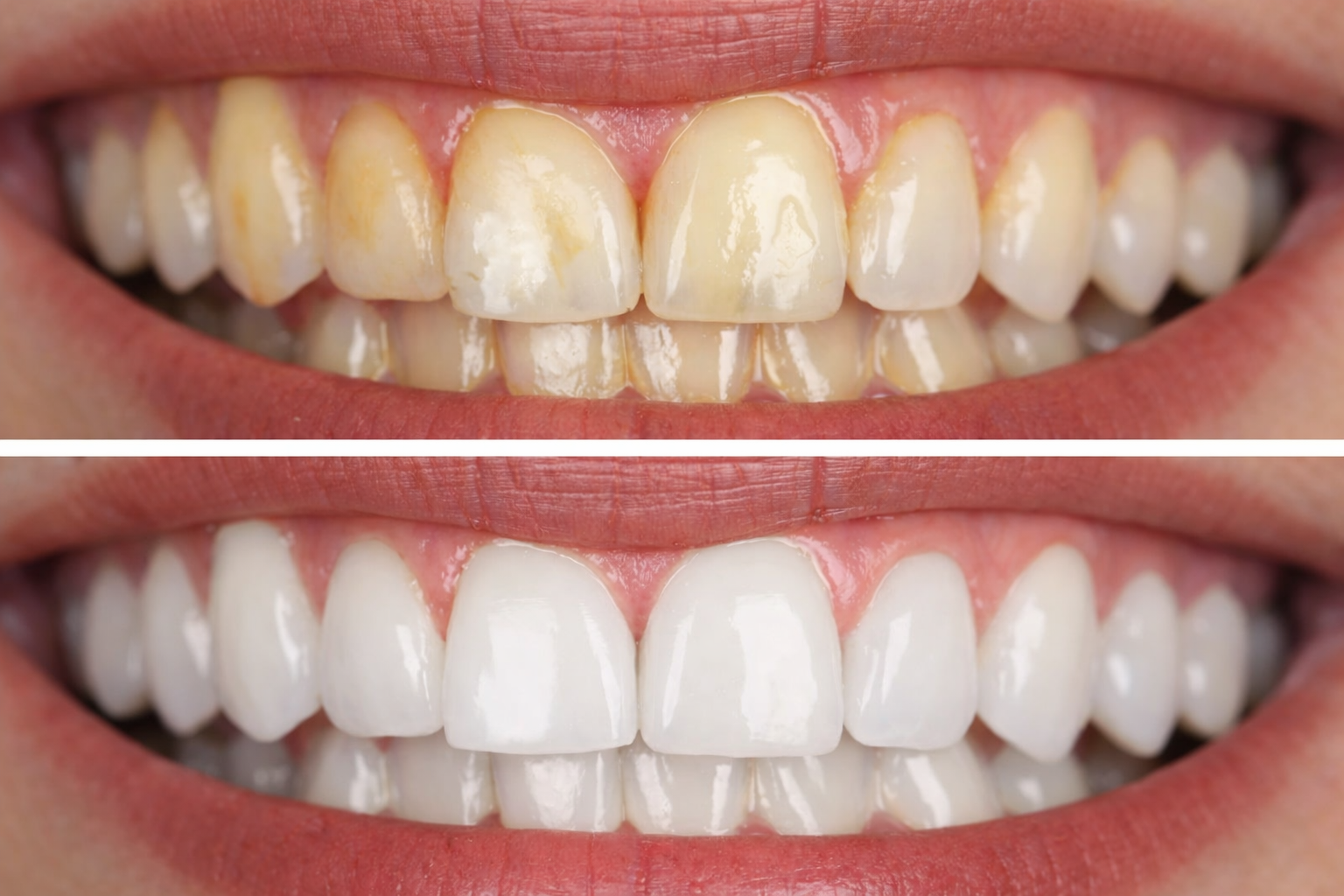

Tooth discoloration is a common concern that affects many individuals, often leading to a desire for brighter smiles. Understanding the different types of teeth stains is crucial for effective treatment. This article explores the distinctions between intrinsic and extrinsic stains, the causes behind them, and the most effective whitening methods available. By recognizing these differences, patients can make informed decisions about their dental care. We will delve into the causes of tooth discoloration, the specific characteristics of intrinsic and extrinsic stains, and the professional whitening options available in Encino.
Understanding Tooth Discoloration: Causes and Types
Tooth discoloration can be categorized into two primary types: intrinsic and extrinsic stains. Intrinsic stains occur within the tooth structure, often resulting from factors such as genetics, aging, or certain medications. In contrast, extrinsic stains are caused by external factors, including food, beverages, and tobacco use. Understanding these distinctions is essential for determining the appropriate treatment options.
Further research emphasizes the importance of distinguishing between these types of stains for accurate diagnosis and treatment.
Differentiating Intrinsic, Extrinsic, and Internalized Tooth Stains
stains into three types namely: intrinsic, extrinsic and internalized [14–16]. Intrinsic tooth stains are typically pigmented stains
Extrinsic stains in primary teeth: insights and interdiction., FW Licari, 2025
Common causes of tooth discoloration include:
- Dietary Choices: Foods and drinks like coffee, tea, red wine, and berries can lead to extrinsic staining.
- Tobacco Use: Smoking or chewing tobacco contributes significantly to the development of extrinsic stains.
- Medications: Certain antibiotics, particularly tetracycline, can cause intrinsic stains if taken during tooth development.
- Aging: As we age, the enamel thins, revealing the darker dentin beneath, potentially leading to intrinsic discoloration.
Recognizing the type of stain is vital for effective treatment, as it influences the choice of whitening methods.
Experts highlight that a thorough understanding of stain etiology is crucial for dental professionals to provide effective diagnosis and management strategies.
Tooth Discoloration: Causes, Classification & Management
Dental surgeons must understand the etiology of tooth staining in order to provide an accurate diagnosis and thus management. Extrinsic causes produce tooth darkening, whereas intrinsic congenital or systemic influences cause tooth discoloration. Tooth bleaching is a safe and effective way to lighten the color of the teeth. Today, the physician has a number of options, including at-home tray-based bleaching treatments with low hydrogen peroxide or carbamide peroxide concentrations. Surgical options include dental restorations which is may be indicated for some cases.
Causes and management of tooth discoloration: A Review, 2021
Intrinsic Stains: Causes, Diagnosis, and Treatment Options
Intrinsic stains are often more challenging to treat than extrinsic stains due to their location within the tooth structure. These stains can result from various factors, including:
- Genetics: Some individuals may inherit a predisposition to intrinsic discoloration.
- Fluorosis: Excessive fluoride exposure during childhood can lead to white spots or brown stains on teeth.
- Trauma: Injuries to the teeth can cause discoloration as the tooth responds to damage.
Diagnosis of intrinsic stains typically involves a thorough dental examination, including imaging to assess the internal structure of the teeth. Treatment options for intrinsic stains may include:
- Professional Teeth Whitening: This method uses stronger bleaching agents than over-the-counter products, providing more effective results.
- Veneers: Porcelain veneers can cover intrinsic stains, offering a cosmetic solution that enhances the appearance of the teeth.
- Bonding: Dental bonding can be used to mask intrinsic stains, providing a quick and effective solution.
Understanding the causes and treatment options for intrinsic stains allows patients to make informed decisions about their dental care.
Extrinsic Stains: Causes, Prevention, and Removal Techniques
Extrinsic stains are typically easier to manage and can often be prevented with proper oral hygiene. These stains are primarily caused by external factors, including:
- Food and Beverages: Dark-colored foods and drinks can lead to surface stains on teeth.
- Tobacco Products: Smoking or chewing tobacco can cause significant discoloration over time.
- Poor Oral Hygiene: Inadequate brushing and flossing can allow plaque and tartar buildup, leading to staining.
Preventing extrinsic stains involves maintaining good oral hygiene practices, such as:
- Regular Brushing: Brushing at least twice a day helps remove surface stains and prevent plaque buildup.
- Using Whitening Toothpaste: These products can help reduce surface stains and maintain a brighter smile.
- Limiting Stain-Causing Foods: Reducing the intake of foods and drinks known to cause staining can help preserve tooth color.
For those already experiencing extrinsic stains, effective removal techniques include:
- Professional Cleaning: Regular dental cleanings can remove surface stains and tartar buildup.
- Whitening Treatments: Over-the-counter whitening strips or professional whitening services can effectively address extrinsic discoloration.
By understanding the causes and prevention techniques for extrinsic stains, individuals can take proactive steps to maintain their dental aesthetics.
Professional Teeth Bleaching: Procedures and Benefits
Professional teeth bleaching is a popular option for individuals seeking to enhance their smile. This procedure involves the application of a bleaching agent, typically hydrogen peroxide, to the teeth. The benefits of professional teeth bleaching include:
- Effective Stain Removal: Professional treatments can remove both intrinsic and extrinsic stains more effectively than at-home products.
- Customizable Treatment: Dentists can tailor the bleaching process to meet individual needs, ensuring optimal results.
- Quick Results: Many patients notice significant improvements in tooth color after just one session.
The procedure typically involves a consultation, during which the dentist assesses the patient’s dental health and discusses expectations. The actual bleaching process may take one to two hours, depending on the method used.
Comparison of Whitening Methods
| Method | Effectiveness | Duration | Cost |
| Professional Bleaching | High | 1-2 hours | $300 – $1,000 |
| At-Home Whitening Kits | Moderate | 1-2 weeks | $30 – $100 |
| Whitening Toothpaste | Low | Ongoing | $5 – $20 |
This comparison highlights the advantages of professional teeth bleaching, particularly for those with significant discoloration.
Choosing the Right Whitening Treatment in Encino
Selecting the appropriate whitening treatment depends on the type of stains present and individual preferences. Factors to consider include: cosmetic dentistry.
- Type of Stain: Understanding whether the stains are intrinsic or extrinsic can guide treatment choices.
- Desired Results: Patients should consider how white they want their teeth to be and the time frame for achieving those results.
- Consultation with a Dentist: A dental professional can provide personalized recommendations based on individual dental health and aesthetic goals.
For residents in Encino, consulting with a local dentist can provide valuable insights into the best whitening options available. Dental Line, a dental care provider serving Encino and the San Fernando Valley communities, focuses on comprehensive dental health solutions, including professional teeth whitening services tailored to individual needs.
By understanding the differences between intrinsic and extrinsic stains, patients can make informed decisions about their whitening treatments, ensuring they achieve the best possible results for their smiles.
Frequently Asked Questions
What are the long-term effects of teeth whitening treatments?
Long-term effects of teeth whitening treatments can vary based on the method used. Professional treatments tend to provide more lasting results compared to over-the-counter options. However, factors such as diet, oral hygiene, and lifestyle choices can influence how long the whitening lasts. It’s essential to maintain good oral hygiene and limit stain-causing foods to prolong the effects. Regular dental check-ups can also help in maintaining the brightness of your smile.
Are there any risks associated with teeth whitening?
Teeth whitening is generally safe when performed by a dental professional. However, some individuals may experience temporary tooth sensitivity or gum irritation. These side effects are usually mild and resolve shortly after treatment. It’s crucial to follow the dentist’s instructions and disclose any pre-existing dental conditions to minimize risks. Overuse of at-home whitening products can lead to enamel damage, so professional guidance is recommended for safe and effective results.
How often can I undergo professional teeth whitening?
The frequency of professional teeth whitening treatments depends on individual needs and the type of stains present. Generally, dentists recommend waiting at least six months to a year between treatments to avoid potential enamel damage and sensitivity. Regular dental check-ups can help assess the condition of your teeth and determine the best timing for your next whitening session. Your dentist can provide personalized advice based on your dental health and aesthetic goals.
Can teeth whitening remove all types of stains?
Teeth whitening is effective for many types of stains, particularly extrinsic stains caused by food, beverages, and tobacco. However, intrinsic stains, which originate from within the tooth structure, may require different treatment approaches, such as veneers or bonding. While professional whitening can significantly improve the appearance of intrinsic stains, it may not completely eliminate them. A consultation with a dentist can help determine the most suitable treatment for your specific stain type.
What should I do to maintain my whitened teeth?
To maintain your whitened teeth, practice good oral hygiene by brushing at least twice a day and flossing daily. Using whitening toothpaste can help reduce surface stains. Additionally, limit the intake of stain-causing foods and beverages, such as coffee, tea, and red wine. Regular dental cleanings and check-ups are also essential for preserving your smile’s brightness. Staying hydrated and rinsing your mouth after consuming staining substances can further help maintain your results.
Is teeth whitening suitable for everyone?
Teeth whitening is not suitable for everyone. Individuals with certain dental conditions, such as severe gum disease, cavities, or sensitive teeth, should consult their dentist before undergoing treatment. Pregnant or nursing women are also advised to avoid whitening treatments. A dental professional can assess your oral health and determine if whitening is appropriate for you, ensuring safe and effective results tailored to your needs.
Conclusion
Understanding the differences between intrinsic and extrinsic teeth stains empowers patients to make informed decisions about their dental care. By recognizing the causes and effective treatment options, individuals can achieve a brighter, healthier smile. Consulting with a local dentist in Encino can provide personalized recommendations tailored to your needs. Take the first step towards enhancing your smile by exploring professional whitening options today.