
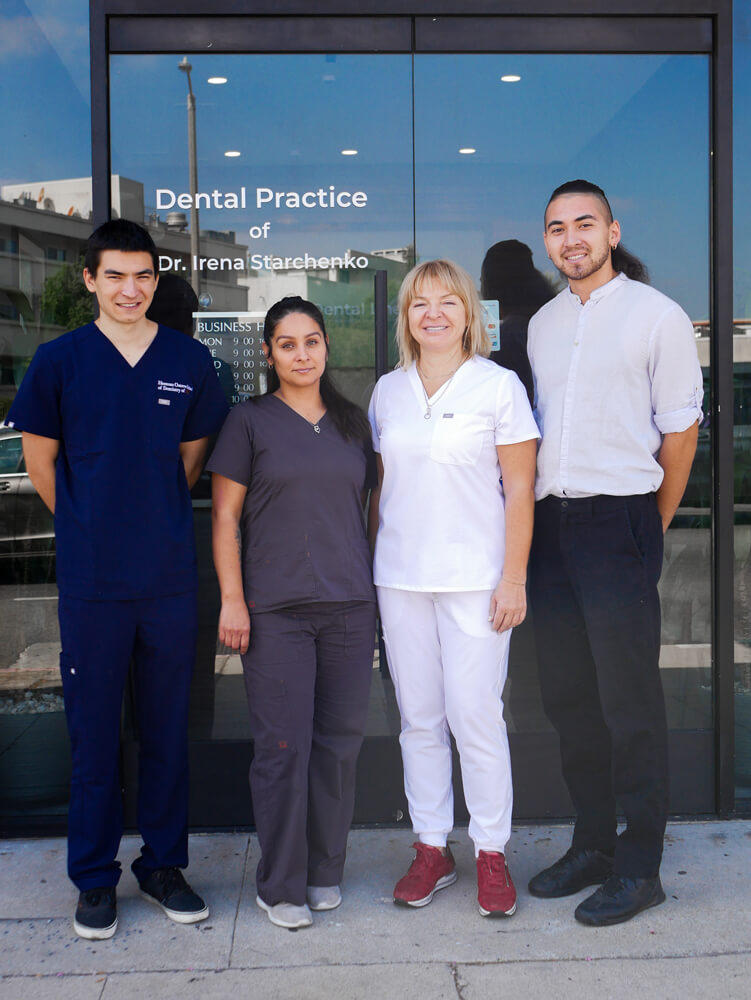

Keeping your child safe at the dentist is a top priority for every parent. Family dentists in Encino follow clear clinical and behavioral practices—trained clinicians, child-sized equipment, evidence-based infection control, and gentle communication—to protect young patients and promote lifelong oral health. This guide explains what “safe” looks like in pediatric dentistry and how those practices lower risk and anxiety during visits. You’ll learn why local family dentists are a good fit for kids, how kid-friendly offices improve cooperation, when to schedule that first visit, common preventive services like fluoride and sealants, practical information about sedation and monitoring, and what to do in pediatric dental emergencies. We combine professional recommendations with straightforward, parent-facing steps so you can quickly spot safe practices and know what to expect at appointments.
Why Family Dentists in Encino Are a Safe Choice for Children
Family dentists in Encino are considered safe because they blend pediatric-aware training, consistent clinical protocols, and office environments that reduce stress. Safety rests on three key pillars: clinicians skilled in child behavior guidance, strict infection-control measures adapted for children, and equipment and monitoring sized for smaller patients. Together these elements lower procedural risk, reduce radiation exposure, and ensure a rapid response in rare emergencies. Understanding these pillars helps parents check credentials and ask focused questions before an appointment.
In both routine and restorative care, family dentists use standardized safety steps such as instrument sterilization, pediatric radiography settings, and staff training in pediatric life‑support. The next section lists common safety protocols you can look for during a visit.
What safety protocols do family dentists like Dental Line use for kids? Below is a concise summary of the concrete measures clinics take to keep children safe.
Safety Protocols Family Dentists (and Dental Line) Use for Kids
Family dental practices use layered safety measures: thorough sterilization, radiation-minimizing X‑rays, child-focused monitoring, and emergency readiness. Instruments and handpieces are sterilized to national standards to prevent infection. Digital radiography with pediatric presets keeps exposure low for growing mouths. During sedation or more involved procedures, staff monitor oxygen levels and basic vitals so adverse responses are noticed immediately. These protocols are supported by regular team training and clear communication with parents about consent and aftercare.
- Sterilization and single-use items where appropriate to prevent cross‑contamination.
- Digital X‑rays with pediatric presets to reduce exposure while preserving diagnostic quality.
- Emergency kits and trained personnel ready to respond to unexpected events.
These practical protocols underscore why clinician credentials and training matter for pediatric care.
How Dr. Irena Starchenko’s Experience Supports Child Dental Safety
Dr. Irena Starchenko brings licensed training and ongoing education that translate into safer, clearer care for families. With degrees from USC and Kharkiv National Medical University and memberships in professional organizations, she follows evidence‑based protocols and current practice guidelines. Her experience guides conservative treatment planning for children—favoring prevention and minimally invasive options when possible. Continuous education and adherence to association standards help maintain high safety practices and give parents confidence when choosing local care.
These clinician-level safeguards work hand-in-hand with thoughtful clinic design and staff behavior to create a calm visit for kids.
How Child-Friendly Dentists in Encino Make Visits Comfortable
A child-friendly dentist combines physical design, distraction tools, and staff trained in behavior guidance to reduce fear and improve cooperation. Thoughtful waiting areas, in-chair distractions, and predictable, gentle routines help children feel secure. Staff use techniques that encourage participation rather than punishment, building positive associations that support healthy habits long term. Spotting these components during a tour or visit helps parents choose clinics that value both emotional and clinical safety.
Here are practical features and tactics to look for during visits and tours—each one signals a practice’s commitment to child-centered care.
Research shows specific interior design choices can significantly reduce stress and anxiety in pediatric treatment spaces.
Designing Child-Friendly Dental Clinics for Reduced Stress
Children have distinct physical and emotional needs, so pediatric treatment spaces benefit from evidence-based design: thoughtful lighting, soothing color, scaled artwork and graphics, visually engaging forms, and integrated play or recreational areas in waiting and recovery zones. These elements can reduce anxiety, support a feeling of safety and belonging, and improve the efficiency of care. The research recommends designing visual environments and interactive experiences alongside safe, comfortable facilities to support children’s well‑being during dental visits.
CHAPTER XI CHILD-FRIENDLY DENTAL CLINIC DESIGN, Ş YALÇINKAYA
What Makes Dental Line’s Office Welcoming and Fun for Kids?
Dental Line focuses on a family-oriented experience with practical amenities and scheduling that make visits easier for busy families. The office includes child-friendly waiting areas, chairside distractions to ease nerves, and parent-inclusive policies that welcome caregivers during exams and early procedures. Shorter wait times and family-friendly appointment blocks reduce stress for kids and parents. Photo and video tours let families preview the space and set expectations ahead of time, which often improves cooperation on the day of the visit.
Those environmental features reinforce the ways staff support calm, cooperative care.
How Staff and Amenities Reduce Dental Anxiety in Kids
Our team uses proven behavior guidance—tell‑show‑do, positive reinforcement, and distraction—to reduce anxiety and encourage cooperation. Tell‑show‑do uses simple language and a brief demonstration to demystify procedures. Distraction tools like videos or toys redirect attention during short procedures, and praise or small rewards reinforce brave behavior. Parents can help by practicing short, calm role‑plays at home and using neutral, reassuring language about dental care.
This behavioral foundation leads into timing for first visits and how early experiences prevent later problems.
When Should My Child Have Their First Dental Visit with an Encino Family Dentist?
We recommend a first dental visit by the child’s first birthday or within six months of the first tooth—following American Academy of Pediatric Dentistry guidance to establish a dental home early. Early visits allow risk assessment, anticipatory advice on diet and fluoride, and coaching on home care—steps that reduce cavity risk and the need for future invasive treatment. Building a relationship with a dentist early also familiarizes the child with the environment and routine, which helps prevent dental anxiety later. Knowing when to schedule the first appointment helps families prioritize prevention.
The section below explains what to expect so you can prepare both your child and yourself.
What to Expect During Your Child’s First Dental Appointment?
The first visit is usually a gentle, brief exam focused on comfort, risk assessment, and parent education rather than treatment. The dentist will visually inspect the mouth, check for early signs of decay, demonstrate brushing technique, and discuss diet and fluoride recommendations with the caregiver. If appropriate, a fluoride varnish may be applied and a follow-up scheduled; complex procedures are typically avoided. Clear, short interactions help children build trust, and staff will provide simple home-care steps to continue preventive habits between visits.
That early experience sets the stage for ongoing prevention and reduced anxiety.
Why Early Dental Care Matters for Preventing Cavities and Anxiety
Early care prevents cavities through timely interventions—diet counseling, fluoride varnish, and behavior coaching—that reduce decay risk and the need for restorative work like crowns. Regular, positive exposure to the dental setting helps children form good associations, lowering dental anxiety and behavior-related complications during later treatment. Research and professional guidelines show children with consistent early care tend to need fewer invasive procedures and enjoy better oral health as they grow. Prioritizing early visits protects both teeth and emotional well‑being.
When more complex restoration is required—such as replacing missing teeth—options like dental bridges can restore function and appearance and are part of comprehensive pediatric care.
Knowing the preventive services available locally helps you see how early steps translate into concrete treatments like fluoride and sealants.
What Preventive Dental Care Do Family Dentists in Encino Offer for Children?
Family dentists provide preventive services—professional cleanings, fluoride varnish, and dental sealants—that lower cavity risk and protect erupting permanent teeth. Fluoride varnish strengthens enamel and is recommended at intervals for at‑risk children; sealants cover deep grooves on molars to prevent decay. Preventive visits also include guidance on brushing, flossing, and diet so families can keep progress at home. In‑office prevention combined with parental education reliably reduces childhood cavities and is central to safe pediatric care.
Below is a quick comparison of common preventive options, their usual timing, and expected benefits so parents can compare at a glance.
Different preventive treatments protect children’s teeth in different ways and at different ages.
| Preventive Treatment | Typical Age/Timing | Benefit (Approximate) |
|---|---|---|
| Fluoride varnish | From first tooth; repeated every 3–6 months for at-risk kids | Strengthens enamel; can reduce cavities by ~30–40% in high-risk groups |
| Dental sealants | When permanent molars erupt (about 6–12 years) | Shields pits and fissures from decay; can reduce molar decay by ~70% |
| Professional cleaning | Every 6 months or as recommended | Removes plaque buildup and reinforces good oral-hygiene habits |
This comparison helps families prioritize which preventive options to discuss at early visits.
How Fluoride Treatments and Dental Sealants Protect Children’s Teeth
Fluoride varnish delivers concentrated fluoride to the enamel, helping remineralize and strengthen teeth against acid attacks. Dental sealants form a protective coating over molar grooves, keeping food and bacteria out of areas that are hard to clean. Used together, fluoride and sealants give complementary protection—topical strengthening plus a physical barrier on vulnerable surfaces. Talk with your dentist about timing and your child’s individual risk so preventive care matches their needs.
These preventive choices are reinforced by ongoing oral‑hygiene education from dental staff.
What Oral Hygiene Education Is Provided for Kids and Parents?
Education is tailored to age and covers brushing technique, safe fluoride toothpaste amounts, when to start flossing, and tips to limit sugary foods and drinks. For infants and toddlers, caregivers learn how to clean gums and emerging teeth; for school‑age children, staff demonstrate effective two‑minute brushing and proper toothpaste portions. Practices usually provide visual charts, appointment reminders, and follow‑up plans to help families stay on track. Consistent education reduces plaque buildup and helps preserve the benefits of professional preventive care.
Next we cover sedation options for anxious children and how safety is maintained.
Are Sedation Dentistry Options Safe for Anxious Children at Family Dentists in Encino?
When provided by trained teams with proper monitoring, sedation dentistry can be safe and effective for anxious children—allowing necessary treatment while reducing psychological distress. Common options include nitrous oxide for minimal sedation and oral sedatives for moderate anxiolysis; each has distinct onset, recovery, and monitoring needs. Safety depends on careful patient selection, pre‑procedure assessment, staff trained in pediatric airway management, and continuous monitoring of vital signs. Understanding these safeguards helps parents weigh benefits and risks when considering sedation.
Below is a straightforward comparison of typical pediatric sedation approaches and their monitoring requirements.
Comparison of common pediatric sedation approaches and monitoring requirements.
| Sedation Option | Onset / Recovery | Monitoring Required |
|---|---|---|
| Nitrous oxide (laughing gas) | Rapid onset; quick recovery within minutes | Continuous observation and oxygen monitoring |
| Oral sedation (mild to moderate) | Slower onset; recovery over hours | Vital signs monitoring and caregiver supervision after the visit |
| Conscious IV sedation (when used) | Variable; requires professional monitoring | Continuous cardiac/respiratory monitoring and advanced airway readiness |
This table highlights practical differences and why monitoring is essential to safety.
Design for child‑friendly dental hospitals is often informed by assessing what children and parents need and want from the environment.
Designing Child-Friendly Dental Hospitals: Needs Assessment and Strategic Development
This study evaluated children’s and parents’ satisfaction with dental hospital environments to guide child‑friendly design. Using multi‑method tools (KJ, Kano model, AHP), researchers identified priority needs—facilities and interactive experiences, safety and comfort, and humanized services—and recommended strategies that balance environmental upgrades with engaging activities. The findings emphasize creating visual, interactive spaces together with safe, comfortable treatment settings to improve children’s visiting experiences and satisfaction.
Evaluation of children’s needs for creating a child-friendly environment in dental hospitals and strategy study, 2025
What Types of Sedation Are Used for Kids and How Are They Monitored?
Nitrous oxide is commonly used for minimal sedation because it works quickly and reverses rapidly, making it suitable for short procedures and anxious but cooperative children. Oral sedation may be chosen when nitrous oxide is not enough; it requires careful dosing, fasting instructions, and longer post‑procedure observation. Monitoring usually includes pulse oximetry and the ability to deliver oxygen, and staff should be certified in pediatric advanced life support. Proper monitoring and trained personnel reduce the risk of adverse events and support safe office-based sedation.
These monitoring standards explain how sedation can be provided safely for children.
How Sedation Dentistry Helps Children Have a Positive Dental Experience
Appropriate sedation reduces movement and anxiety so clinicians can complete treatment efficiently while avoiding traumatic memories that could lead to long‑term dental fear. When sedation is combined with behavior guidance and parental support, a potentially stressful visit can become tolerable—or even calm—for a child. Pre‑ and post‑procedure counseling prepares parents for what to expect and how to care for their child afterward, including any activity and diet restrictions. Dental Line offers consultation-based sedation planning with monitoring and parent education; families receive a pre‑visit evaluation to review safety and aftercare.
What Emergency Pediatric Dental Care Services Are Available for Children in Encino?
Local family dentists handle common pediatric dental emergencies—knocked-out teeth, severe toothache, fractured teeth, and oral bleeding—by offering triage guidance, same‑day stabilization, and referrals to specialists when needed. Quick at‑home steps, like placing an avulsed permanent tooth in milk or saline, can improve outcomes before professional care. Clinicians focus on pain control, infection prevention, and preservation of injured teeth, with emergency protocols adapted to a child’s developmental needs. Parents benefit most from a clear plan that tells them when to call a clinic and when to go to an emergency department.
The table below maps common emergencies to immediate parent actions and when to seek professional care.
Common pediatric dental emergencies and immediate parent actions.
| Emergency | When to Seek Care | Immediate Steps |
|---|---|---|
| Knocked-out permanent tooth | Seek urgent dental care within 30–60 minutes | Handle the tooth by the crown, rinse gently, place in milk or saline, and go to the dentist |
| Severe toothache | Same-day dental visit if there is pain or swelling | Rinse the mouth, use an age-appropriate analgesic per provider guidance, and call the clinic |
| Fractured tooth | Same-day evaluation for pain or sharp edges | Save any fragments if possible; cover sharp edges with dental wax until seen |
| Excessive bleeding after trauma | Immediate care or ER if uncontrolled | Apply gentle pressure and seek urgent evaluation |
This mapping helps parents prioritize actions and understand how clinics triage emergencies.
When Should Parents Seek Emergency Dental Care for Their Child?
Seek immediate dental care for uncontrolled bleeding, a knocked‑out permanent tooth, severe swelling or fever with tooth pain, or any injury affecting the airway or breathing. Same‑day visits are appropriate for persistent severe pain, large fractures exposing the pulp, or dislodged restorations that affect function. Less urgent problems—small chips without pain or mild sensitivity—can often wait until the next day. Knowing these thresholds helps parents act quickly in true emergencies while avoiding unnecessary ER visits.
Clear triage guidelines explain how local practices respond and what to expect when you contact a clinic about a pediatric emergency.
How Dental Line Provides Prompt and Safe Emergency Treatment for Kids
Dental Line uses an organized triage process to respond quickly to pediatric emergencies: staff ask targeted questions to assess urgency, provide immediate home instructions, and schedule prioritized same‑day appointments when necessary. If same‑day care is required, the office prepares pediatric equipment and trained staff to safely assess and stabilize the child. For knocked‑out permanent teeth, Dental Line advises immediate at‑home steps and coordinates rapid clinical care to maximize the chance of successful re‑implantation. Parents can contact Dental Line at (747) 265-6179 or visit 18024 Ventura Blvd, Encino, CA 91316 for urgent guidance and appointments.
These triage and response steps connect prevention, behavior management, and clinical protocols to keep children safe during routine and emergency care.
- Common signs that require immediate attention: uncontrolled bleeding, airway compromise, knocked‑out permanent tooth.
- Same-day but urgent: severe pain, swelling, exposed pulp.
- Next-day care: small chips, mild sensitivity without systemic symptoms.
Use this checklist to decide whether to call now or schedule prompt dental care.
These final emergency tips show how prevention, behavior management, and clinical protocols work together to keep children safe during dental visits.
Frequently Asked Questions
What should I look for in a family dentist for my child?
Look for experience with pediatric patients, a welcoming office environment, and staff skilled in gentle communication and behavior guidance. Check that the clinic follows strict safety protocols—sterilization, age‑appropriate equipment, and radiography settings—and offers child‑friendly amenities. Reading parent reviews and touring the office beforehand can help you decide if the practice is a good fit for your child.
How can I prepare my child for their first dental visit?
Explain the visit in simple, positive terms and keep your tone calm. Use storybooks or short videos about dental visits to build familiarity, and try a quick role‑play where your child practices sitting in a “dental chair.” Emphasize that the dentist is there to keep their teeth healthy and reassure them that feeling a little nervous is normal.
What are the signs that my child may need to see a dentist?
Signs to watch for include persistent tooth pain, sensitivity to hot or cold, visible cavities or discoloration, swollen gums, or trouble chewing. If your child experiences trauma to the mouth or teeth—like a fall—seek dental care promptly. Regular checkups are important even without symptoms so problems can be caught early.
What can I do to help my child maintain good oral hygiene at home?
Set a routine: brush twice daily with fluoride toothpaste and floss once teeth touch. Make brushing fun with a timer or song, and let your child pick their toothbrush and toothpaste flavor. Encourage a balanced diet low in sugary snacks and drinks, demonstrate proper technique, and supervise younger children to ensure effective brushing.
Are there any specific dietary recommendations for children’s dental health?
Yes. Encourage a balanced diet with fruits, vegetables, whole grains, and lean proteins. Limit sugary snacks and sweetened drinks, which increase cavity risk. Foods high in calcium (dairy) and phosphorus (fish, nuts) help strengthen teeth. Drink water—ideally fluoridated—to help rinse away food particles and bacteria.
What should I do if my child has a dental emergency?
Stay calm and assess the situation. For a knocked‑out permanent tooth, hold it by the crown, rinse it gently, and place it in milk or saline while you seek immediate dental care. For severe toothache, rinse the mouth with warm water and apply a cold compress to reduce swelling. Always contact your dentist for advice on next steps and whether an emergency visit is needed.
Conclusion
Choosing a family dentist in Encino gives your child safe, compassionate, and effective dental care tailored to their needs. With a focus on prevention, child‑friendly environments, and experienced staff, parents can feel confident about their child’s dental journey. Prioritizing early visits and ongoing education helps create positive habits and lasting comfort with dental care. Schedule an appointment with us today to see the difference child-centered dentistry can make.